How to Request a Masonry Quote in Guatemala
You call a mason, describe the job in two sentences, and he gives you a price over the phone. It sounds simple, until the second price arrives and it is different, and neither one says who buys the cement, who hauls away the rubble, or when the job will end. A masonry quote in Guatemala is of little use if each provider priced a different job in their head. What helps is sending the same information to everyone and asking for the answers in writing, in the same fields. That way you can compare proposals that describe the same work, not just different totals. Below you will see what to prepare before the first message, what each proposal should contain, and how to line them up side by side. You will also see who decides whether a permit is needed, and when it makes sense to consult a structural design professional.
Key takeaways
What to have ready before you contact the first mason
Before asking for a price, set aside an hour to gather information. A provider who receives a vague message replies with a vague number, and you end up comparing figures that do not match. If every provider receives the same information package, the differences between proposals will be about scope and terms, and those can be analyzed.
Prepare these details:
- Exact location: address and municipality. It helps coordinate the visit and shows which municipality handles a permit if the work needs authorization.
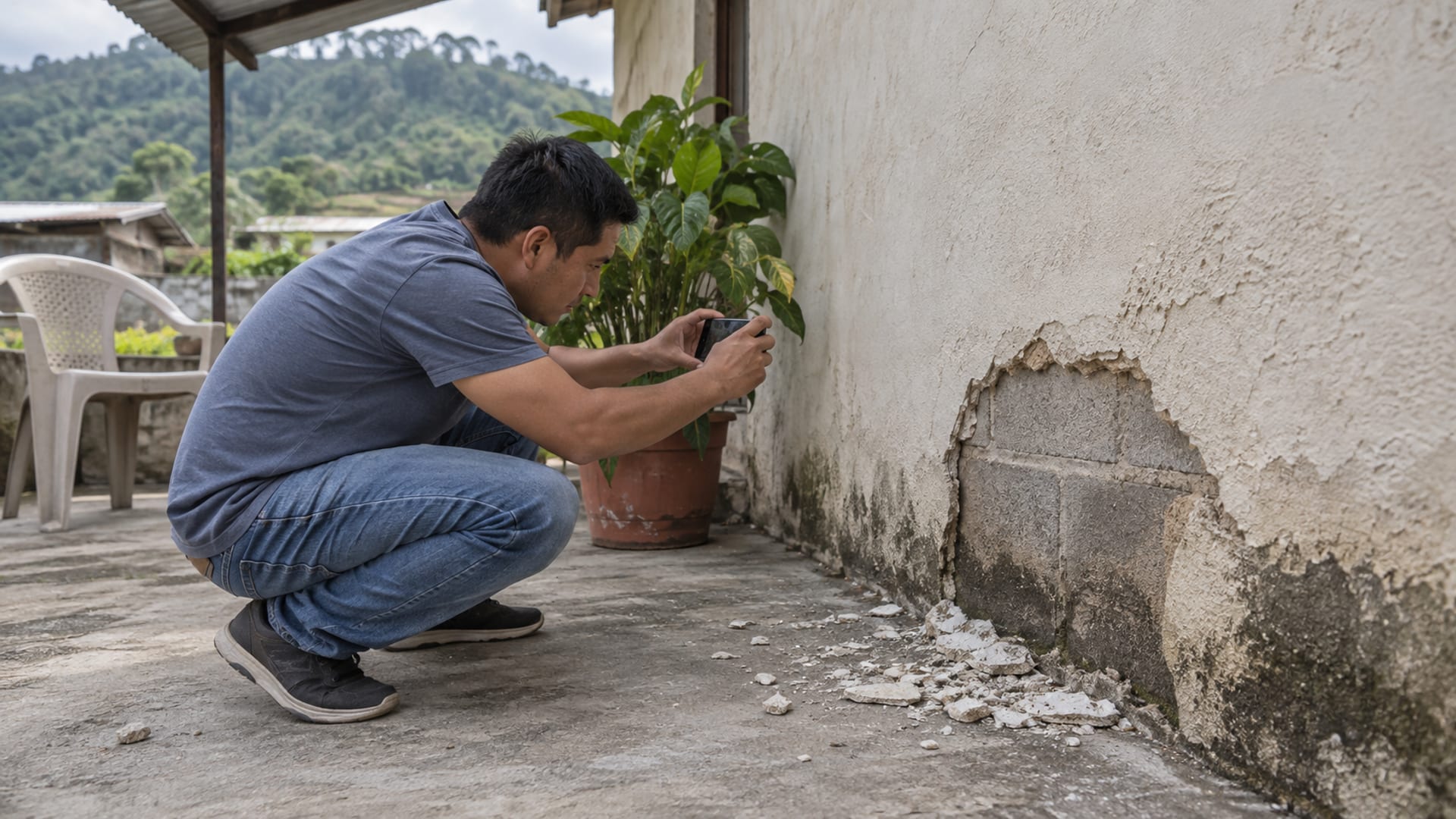
- Photos of the current condition: take the wall, the floor, or the whole area, plus a close-up of the damage. Photos help spot missing information before the visit.
- Approximate measurements: length, height, and area in square meters. They do not have to be exact; the provider will confirm them on site.
- Desired result: for example, repairing a wall, replacing a floor, or building a block wall. Describe it in one or two sentences.
- Type of finish: texture, color, floor type, or covering. Two proposals can have very different prices just because one assumes a simple finish and the other a more elaborate one.
- Access and unloading: whether there are steps, a narrow gate, room for a truck to park, or restrictions set by the property manager.
- Hours and preferred dates: when work can be done, and when you would like it to start or finish.
These details are a practical checklist; the law does not require this form for every masonry quote. Even so, the Ley de Protección al Consumidor y Usuario (Consumer Protection and User Law) requires the provider to give basic information about the services it offers, and the clearer your request, the clearer the answer will be.
How to request proposals so they can be compared
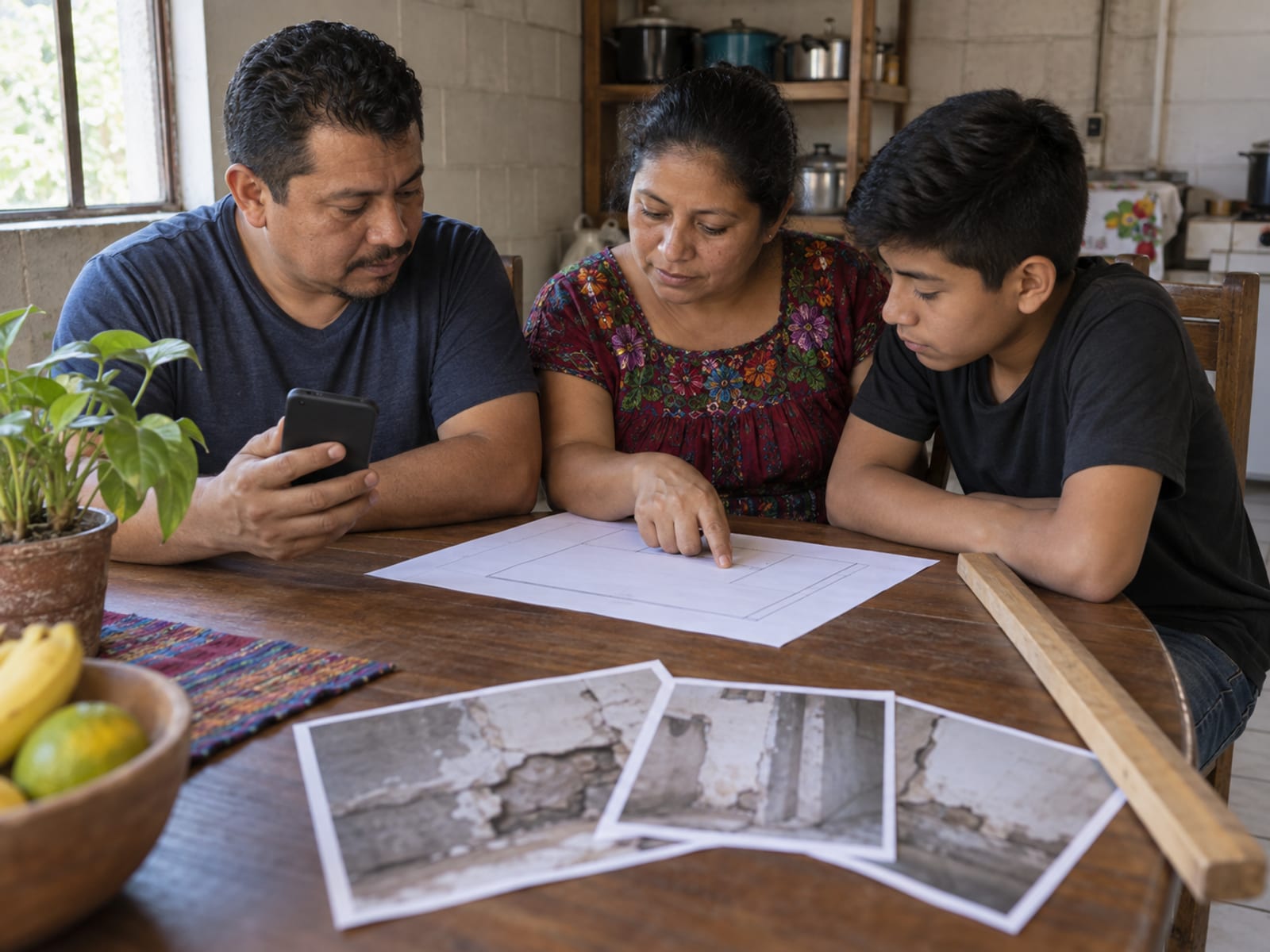
When you have the details, send them to two or three providers with the same text. Copying and pasting the same message is the simplest way to keep one provider from quoting one job while another quotes a different one. If a provider needs to see the site before giving a price, accept the visit and keep the same list of questions for everyone.
Ask for the proposal in writing, with one line per item. In construction, each line is called a partida (line item): an individual job or supply within the quote. Ask that these appear separately:
- Labor: the work of the people who will carry out the job.
- Materials: with name, unit, and quantity. "Block, quantity in units" says more than "miscellaneous materials."
- Who buys the materials: whether you or the provider buys them. This changes both the total and the schedule.
- Transport: moving materials, tools, and waste.
- Debris removal: who hauls the rubble away and where it is dropped off.
- Final cleanup: whether it covers only removing leftover material or also cleaning the area.
- Start date and estimated duration: in days or weeks, not "soon."
- Payment stages: how much is paid at the start, during the work, and at completion.
- Exclusions: what the proposal does not include.
- Warranty: what the work covers, when the provider offers it, and for how long.
- Validity: the date until which prices and terms stand.
The law treats price, payment terms, and warranty as basic information, and it says the consumer can require the warranty on the terms the provider offered. For that reason, these items should be written clearly in the proposal.
Also ask that each field say "included," "excluded," or "to be confirmed." That simple rule keeps an unclear line from being read in anyone's favor.
What to ask so you do not rely on a verbal price
A verbal price is the start of a conversation, not a complete offer. Before accepting any figure, ask everyone the same questions:
- Does the price include materials, or labor only?
- Who buys the materials, and who transports them?
- Who removes the rubble, and is that included in the total?
- When does the work start, and how long will it take?
- How is the payment divided?
- What is left out of the proposal?
- Who checks whether a permit is needed?
- Does a structural design professional need to review the work?
- Until when does this price hold?
Validity deserves attention because materials change price. The Instituto Nacional de Estadística (INE, National Statistics Institute) publishes the Índice de Precios de Materiales de Construcción (Construction Materials Price Index), which measures each month how the prices of 89 construction materials and services change, using December 2018 equal to 100. It is an indicator of how a basket of prices moves. It is not the quote for your job, and it is not a labor rate. For your project, the figure that counts is the one each provider writes, with its date and validity period.
A simple table for comparing two or three proposals
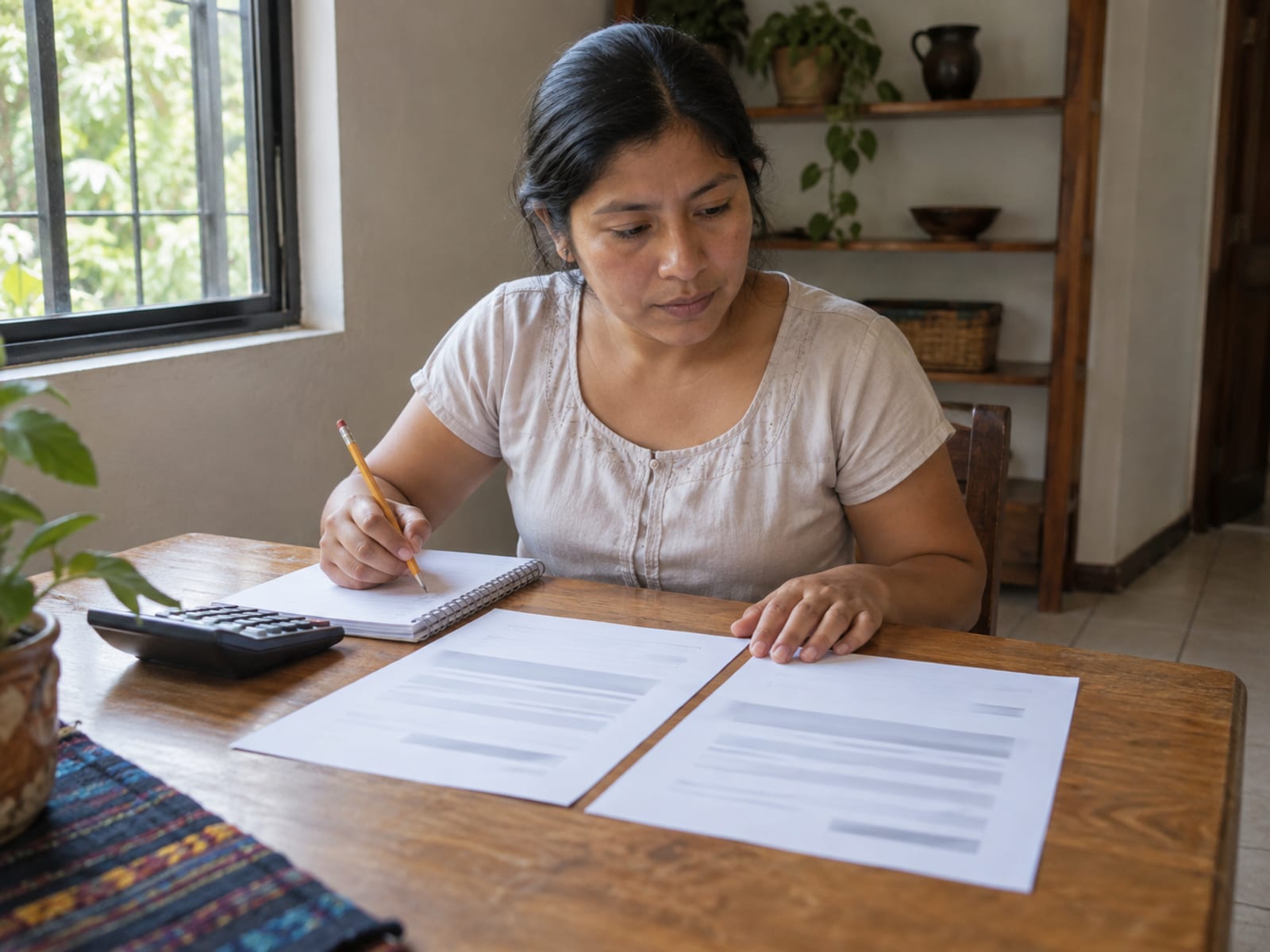
When the answers arrive, transfer the details into a table with exactly the same columns for each provider. You can do it on paper or in a spreadsheet. What matters is that every field is filled with what the proposal says, not with what you assume.
Write "not stated" in any cell the proposal leaves blank. Do not treat it as included. A proposal with a lower total may simply have left out the materials, the transport, or the rubble removal. Compare the contents of each column first, and leave the total for last.
If a line is unclear, send it back to the provider and ask for a corrected version. Keep the written reply together with the original proposal. Comparing does not mean automatically choosing the lowest price. It means choosing the proposal whose scope matches what you need.
Who decides whether your job needs a permit
Many homeowners assume the mason takes care of the permit. Ask, and have the answer put in writing, because the authority that decides is the municipality where the property is located. One municipality's rules do not automatically apply to another.
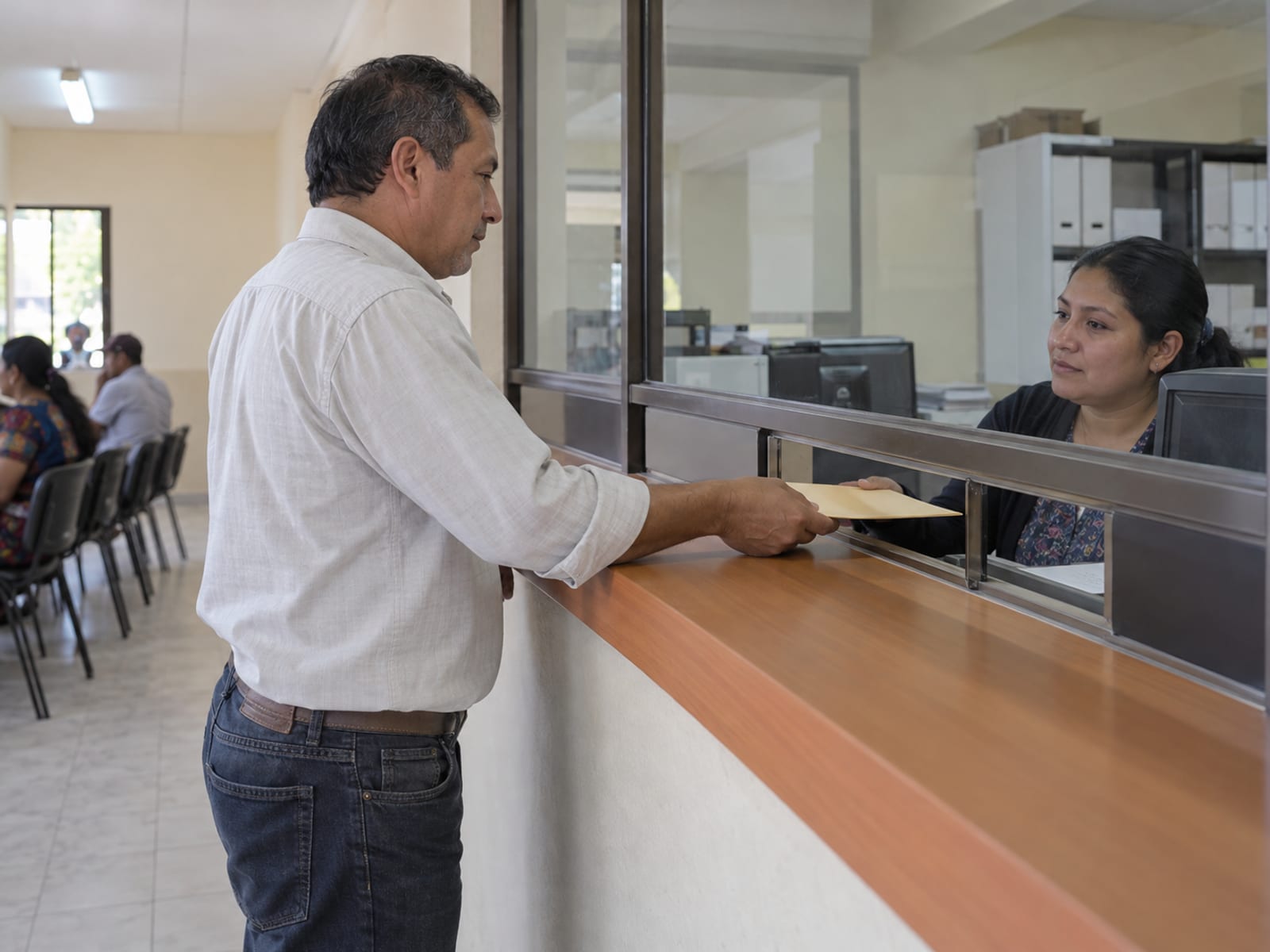
In the capital, the Municipalidad de Guatemala (Guatemala City Municipality) explains on its Ventanilla Única (single-window office) how to obtain a construction permit. You request the forms and requirements for your type of application, file the case file, wait for the technical review, correct it if it is rejected, and when the file is submitted you receive a password to check its progress. Its Plan de Ordenamiento Territorial (POT, land-use plan) distinguishes several permit types: minor construction for works under 30 m², major construction for works over 30 m², demolition, earthworks and excavation, and structure. It also states that light modifications do not require a construction permit, except for properties considered cultural heritage.
If your property is in another municipality, check directly with that municipality. In the proposal, write down who handles each step: who checks, who submits documents, and who pays any fees, if there are any. That one line keeps the permit from falling through the cracks.
When to bring in a structural design professional
Some work is more than masonry. If the job touches load-bearing walls, columns, slabs, foundations, or retaining structures, the evaluation and design belong to a qualified professional. A mason does not replace that review, that calculation, or that responsibility.
The Coordinadora Nacional para la Reducción de Desastres (CONRED, National Coordinator for Disaster Reduction) describes standard NRD-1 as the one that sets minimum technical criteria for designing new works, remodeling or repairing existing works, and evaluating them. Related standards cover the design of reinforced concrete, reinforced masonry, retaining structures, and the evaluation and rehabilitation of existing works. The earthquake engineering association AGIES publishes these standards in its library, in 2024 editions.
For your quote, the practical consequence is simple. If you are not sure whether the work affects a structural element, tell the provider and consult a professional before quoting or carrying out the work. Also ask the proposal to state who is responsible for the design, so that point does not go unowned.
Changes, invoices, and receipts: what to keep on file
Works almost always change something along the way: an extra section, a different finish, one more day. When that happens, ask for the change to be confirmed in writing, stating what changes, what it costs, and how it affects the schedule. A text message or an email is enough for both parties to hold the same version of the work.
On documents, the Consumer Protection and User Law requires the provider to issue the corresponding invoice under the law. The Superintendencia de Administración Tributaria (SAT, the national tax authority) describes the Factura Electrónica en Línea (FEL, Online Electronic Invoice) system as the model for issuing, transmitting, certifying, and keeping electronic invoices and other tax documents. The specific obligation depends on the provider's tax regime, so confirm it with the SAT if you have doubts.
Keep a folder, physical or digital, with these documents:
- Final quote: the corrected version you accepted.
- Contract: if you signed one.
- Agreed changes: the messages or documents that confirm them.
- Invoices: one for each payment, if the provider issues them.
- Payment receipts: bank transfers, receipts, and messages.
If a consumer question comes up, the Dirección de Atención y Asistencia al Consumidor (DIACO, Consumer Care and Assistance Office) runs a Complaints Care Center and has central and departmental offices. Having your documents in order makes any inquiry easier. For legal advice on a specific case, consult a lawyer.
Frequently asked questions about masonry quotes in Guatemala
What information should I send to request a quote?
Send the exact location, photos, approximate measurements, the current condition, the result you want, and the finish. Add access, hours, restrictions on unloading materials, and your preferred dates. Also ask the provider which details it needs to confirm during a visit.
What should a quote break down?
Ask for separate lines for labor, materials, transport, debris removal, cleanup, dates, payments, exclusions, permits, design, validity, and changes. Mark anything not stated and ask for clarification before comparing.
How do I compare two or three masonry quotes?
Send the same description to each provider and use a table with the same columns. Compare scope, units, materials, responsibilities, dates, payments, exclusions, and the total. A blank field should not be treated as included.
How do I know if I need a municipal permit?
Start with the municipality where the property is located. In the capital, the Ventanilla Única receives case files and reports their progress. For other municipalities, confirm directly with the relevant one.
When should I consult a structural design professional?
When the work may affect load-bearing walls, columns, slabs, foundations, or retaining structures. When in doubt, consult before quoting or carrying out the work.
Should I ask for an invoice and a payment receipt?
Yes. Request the corresponding invoice as the law requires, and keep a receipt for each payment, along with the final quote and the approved changes.
To wrap up
A good price comparison starts before you receive the first figure. Prepare the location, photos, measurements, and finish; send the same information to everyone; ask for separate line items marked included, excluded, or to be confirmed; and transfer the answers into a table with the same columns. Check the permit with the municipality, and consult a structural design professional when the work touches elements that hold up the building.
With that order, the price stops being a loose number and becomes a proposal you understand, can discuss, and can keep on file. If something changes during the job, you will have in writing what was agreed, what it costs, and when it will be delivered.
At Albañiles Guate, we help people in Guatemala find and contact masons, builders, and related construction trades by service and by location. If you have a job in mind and want to start requesting proposals, write to us through our contact page and tell us what you need.
Related guides
Masons in Villa Nueva: how to request and compare quotes
Masons in Villa Nueva: compare day rate, price per square meter and complete job, then request a written quote covering materials, helpers and payments.
When to consult a structural engineer before building work
Before you remodel, check whether the change touches walls, slabs or foundations. Learn when to consult a structural engineer and what to bring to the visit.
How much does a mason charge in Guatemala per day, per m² or per job
How much does a mason charge in Guatemala per day, per square meter or per job, and what a written quote should include: materials, helpers and payments.