MARN environmental license for building: when it applies
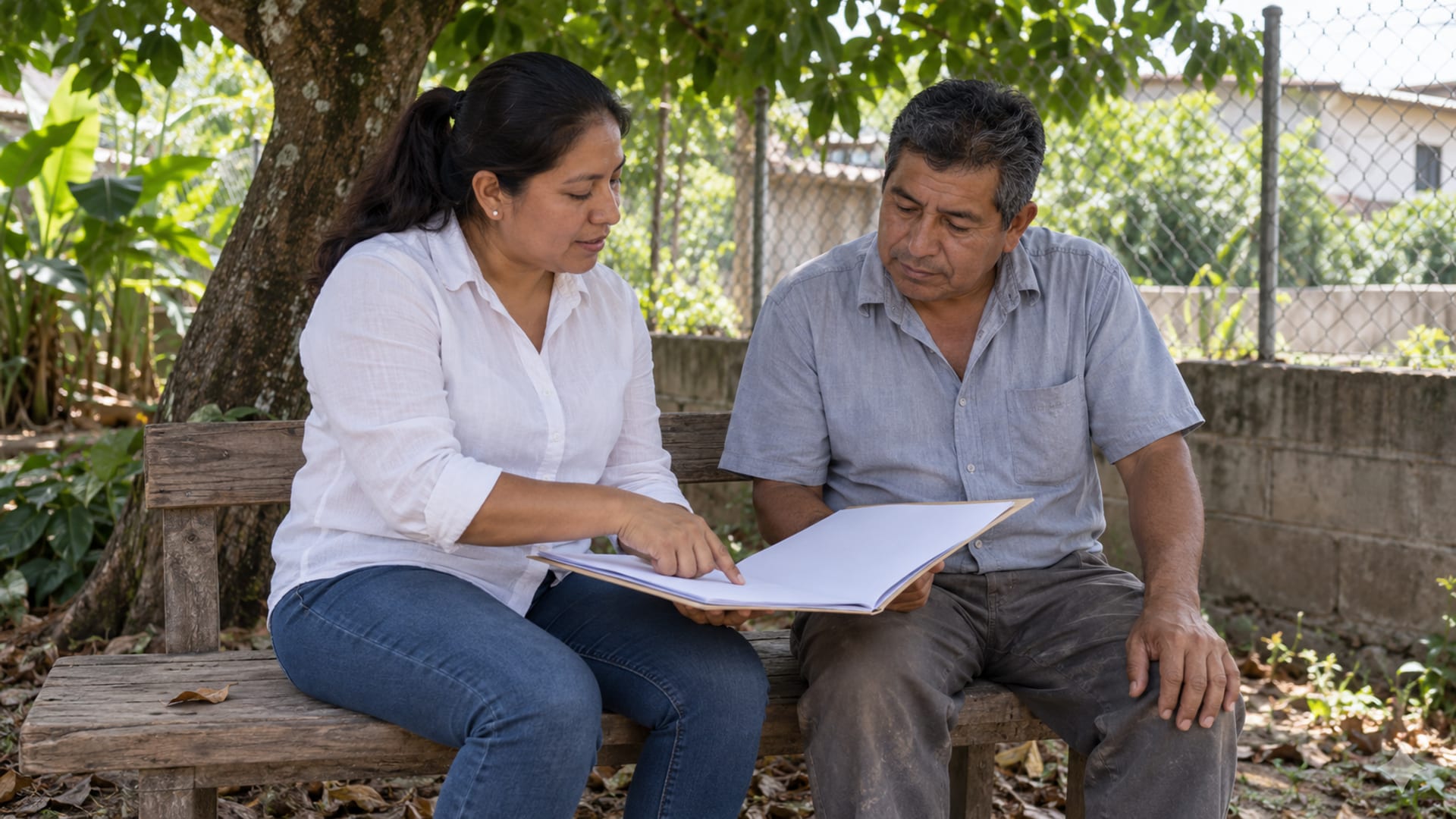
You already have the land, perhaps the plans, and someone tells you that besides the municipal permit you need an environmental license from MARN. Or the municipality asks for an environmental document and you do not know whether that means your house, apartment or subdivision falls under the process. The MARN environmental license for building is not requested or ruled out by habit. It depends on the activity you plan to carry out, the category MARN assigns to it, and the Listado Taxativo in force. The good news is that you can find out before you start, with only a few details in hand. Below you will see how it differs from the municipal license, which environmental instruments exist, what information is worth bringing, and whom to consult.
Key takeaways
Environmental license or building permit?
These are separate authorizations issued by different authorities. The Ministry of Environment and Natural Resources (MARN) applies the Environmental Evaluation, Control and Monitoring Regulation, known as RECSA (Government Agreement 137-2016), and determines which environmental instrument applies to an activity. The municipality, by contrast, processes its own building permit to construct, extend, modify or demolish, with its own requirements and fees.
For that reason, the municipal process alone does not answer the environmental question. And the reverse is also true: an environmental resolution does not replace what other institutions require. MARN states on its page on environmental instruments that environmental approval does not replace authorizations from other institutions, so it is wise not to start work until you have confirmed which ones apply to your case.
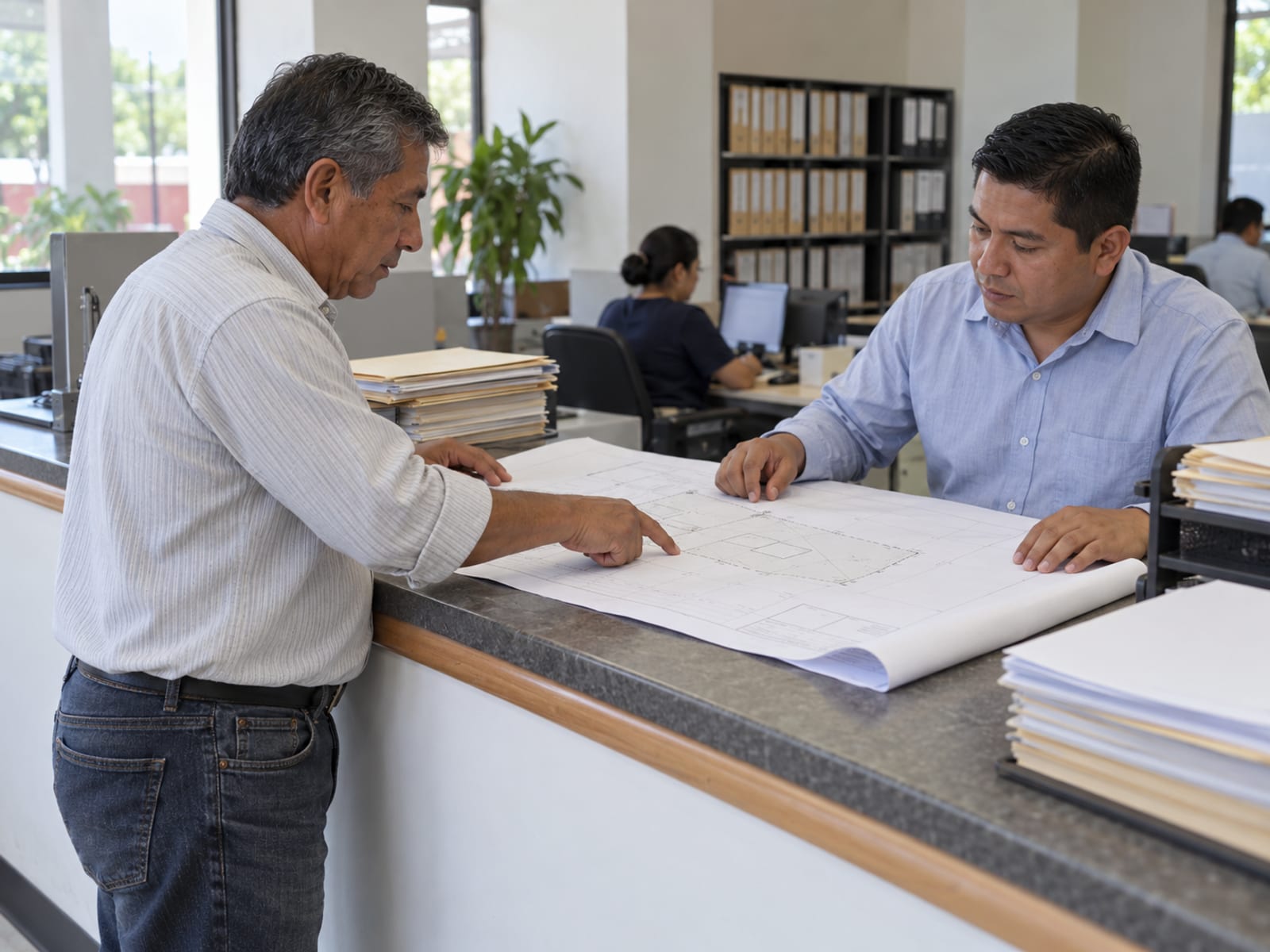
In Guatemala City, the Ventanilla Única publishes its documents and procedures for building permits. In Mixco, the Manual of the Municipal Directorate of Environment and Natural Resources describes a procedure for checking which activities require an environmental impact study, and the municipality may request the resolution and environmental license depending on the activity. Each municipality sets its own rules, so do not carry one municipality's rules over to another.
How do I know if my project needs an environmental instrument?
Article 8 of the Law for the Protection and Improvement of the Environment establishes that projects, works, industries or activities that could deteriorate natural resources, the environment, the landscape or cultural resources must first have an environmental assessment approved by MARN. The regulation defines the list, the type of instrument and the requirements.
To place your project, RECSA indicates that the category is set in the Listado Taxativo, which sorts projects, works, industries and activities into environmental categories (the list in force is Ministerial Agreement 204-2019). If the activity does not appear, MARN determines the category on technical grounds. You can start with a categorization request or, if you have the technical capacity or specialized advice, submit the instrument that corresponds directly.
Here is what this means in practice for a house, an apartment or a subdivision:
- Single-family home: the regulation does not set an automatic exemption for every house, and it does not require every house to submit an impact study. The answer comes from the row of the list that matches your activity and its scale.
- Apartments, warehouses, developments or subdivisions: these are larger projects, and it is worth consulting MARN from the start, with the number of units or floors at hand.
- Renovations and demolitions: these are not classified automatically either; they depend on how the work is described.
- Projects inside a development with an approved instrument: ask MARN whether your work is covered by the existing instrument or needs an update or additional procedure.
Be wary of any answer that claims, without seeing your case, that "a house never needs" or "a house always needs" an environmental license. The correct answer is the one MARN gives you based on the details of your project.
Which instruments exist, and what is the environmental license?
RECSA calls an environmental instrument the technical document that gathers the information needed to identify and assess the environmental impacts or risks of a project. There are several, and the one that applies depends on the category. According to the MARN page, these are the instruments that correspond to each category:
Category C or CR does not mean there is no procedure: these are classifications under the regulation, each with its own instrument. And the category that applies to your work cannot be deduced from the table above; the list or MARN determines it.
The environmental license, for its part, is the official document that MARN issues after the final resolution approving the instrument. The general order published by MARN is this:
The 30-day period set by Article 35 of RECSA refers to resolving the instruments; it is not a promise of how long the whole process will take, because the file may require notifications, extensions, payments or other steps. For instruments A, B1 and B2, after a favorable resolution, Article 36 requires the applicant to submit the surety bond and pay the environmental license within the period set by the resolution. If that is not done, the file may be archived and a new instrument would have to be submitted.
Do I need an environmental consultant?
To prepare environmental instruments, RECSA recognizes the individual environmental consultant and the environmental consulting firm: people registered with MARN and authorized according to the registered category. Put another way, not just anyone can prepare any instrument. A degree as an "environmental engineer" does not, on its own, mean that someone is registered and authorized by MARN for the category of your project.
Before you hire anyone, ask MARN whether your project requires a registered consultant and for which category. The Vice Ministry of Environment page links to a search of environmental management service providers. Ask whoever offers you the service to show their registration and the category it covers. As with any contract, put the scope, price, schedule and documents you will receive in writing.
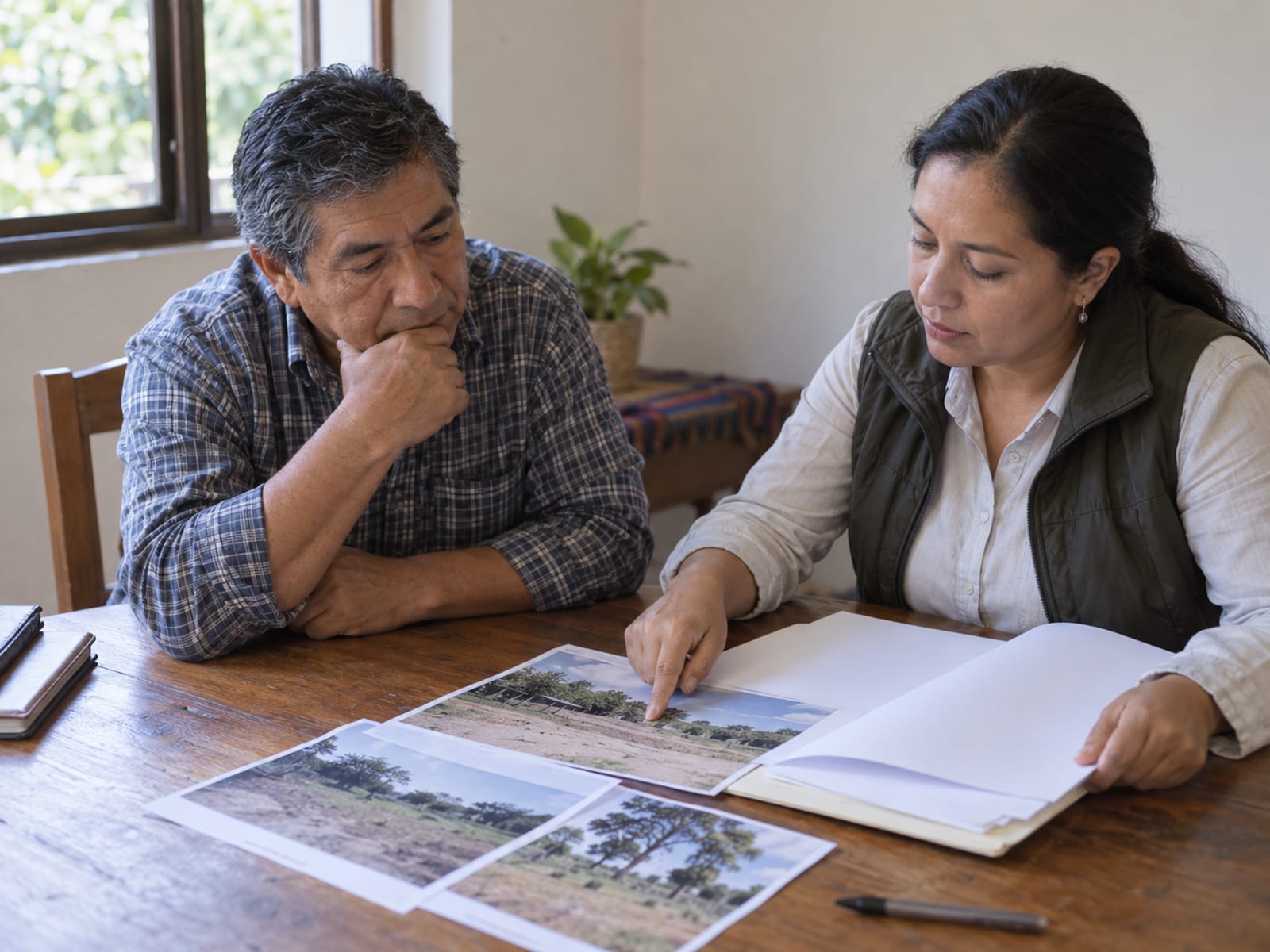
Where does the process start, and what information should I bring?
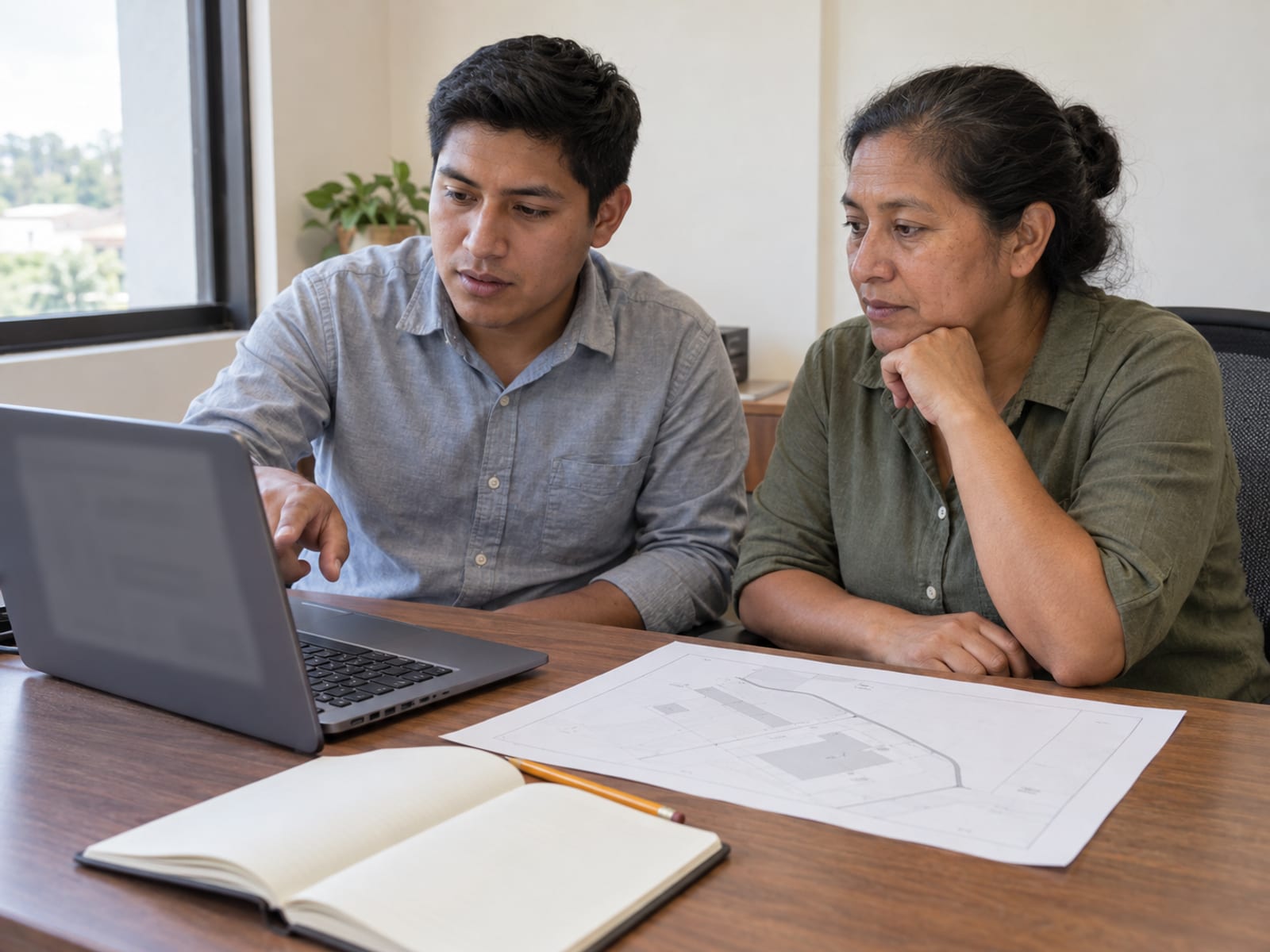
MARN offers digital procedures and forms. According to its Vice Ministry of Environment page, the Agile Environmental Management System (SAGA) handles categories B1, B2, C and CR; BIAWEB receives low-impact requests, and there are forms for paper submissions and a directory of departmental offices. The quick guide for the applicant indicates that the tabs and mandatory documents change depending on the category and the instrument. The forms for each instrument are in MARN's support material.
To help your inquiry move quickly, bring these details:
- Location: exact address of the property, municipality and department.
- Land and work: land area and the area that will be built, modified or demolished.
- Use and size: intended use, number of homes, apartments or commercial units, and number of floors.
- Description of the activity: what will be done and what stage the project is in.
- Background: whether an environmental resolution or license already covers the work.
To contact MARN, the institution publishes its headquarters at 7a Avenue 03-67, Zone 13, Guatemala City, the main switchboard (502) 2423-0500, and the short number 1560. For BIAWEB, the published email address is soportebiaweb@marn.gob.gt.
As for cost, confirm the amount and payment documents directly with MARN. The fee depends on the procedure, and any figure you are given from outside the institution should be verified there before you pay.
What happens if I build without the required instrument?
The same Article 8 of the law requires the assessment to be carried out before the project is developed when the activity could cause the deterioration it describes. The text published by Congress provides for liability for the official who fails to require the study, and penalties for the private party who omits it, including a fine of Q5,000 to Q100,000 and, if the study is still missing six months after the fine, a reasoned request for closure to the Attorney General's Office (Procuraduría General de la Nación).
That is the text of the law, not a diagnosis of your case. The concrete consequences depend on the regulation in force, the type of activity and the administrative procedure. For that reason, the most practical step is to consult before you begin. If you have already started, speak with MARN and with a lawyer to learn how to regularize your situation.
Frequently asked questions about the MARN environmental license for building
Does the environmental license replace the municipal building permit?
No. MARN issues the environmental license after approving the environmental instrument; the construction permit belongs to the municipality of the property. One does not replace the other.
Does every house need an environmental license?
It depends on the Listado Taxativo and the applicable category. The regulation does not set an automatic exemption for every single-family home. Consult MARN with the location, area, use, floors and description of the work.
What is an environmental instrument?
It is a technical document that gathers the information needed to identify and assess the environmental impacts or risks of a project. It can be predictive, corrective or complementary, depending on the category and the activity.
Who decides which instrument I must submit?
MARN, which applies RECSA through its directorates and departmental offices. If your project does not appear on the list, it determines the category on technical grounds.
Where does the process start?
In the systems and forms MARN publishes: SAGA, BIAWEB or paper forms, depending on the category. With the project details in hand, MARN will tell you which channel to use.
How long does MARN take to resolve?
RECSA sets 30 days to resolve environmental instruments. That period does not necessarily cover every step of the file.
Before starting work, confirm two things
If you are going to build in Guatemala, the environmental question and the municipal question follow separate paths, and both must be answered before you break ground. MARN decides whether your project needs an instrument and which one; the municipality decides which license and which documents it requires. With the location, area, use and description of the work on a single sheet, both inquiries can be resolved faster.
Taking this step early saves you from repeating procedures or halting work that has already begun. If you hire a professional or a builder, ask who handles which procedure and get the answer in writing.
In Albañiles Guate we help people in Guatemala find and contact masons, builders and related construction trades, by service and by location. You can browse the builders directory to find who to ask for proposals, or write to us from the contact page if you want to start gathering quotes for your project.
Related guides
How much does it cost to build a house in Guatemala per square meter
How much does it cost to build a house in Guatemala: separate rough construction, finishes, land, permits and labor to compare proposals with the same scope.
Masons in Villa Nueva: how to request and compare quotes
Masons in Villa Nueva: compare day rate, price per square meter and complete job, then request a written quote covering materials, helpers and payments.
Earthquake-resistant construction: what to ask your builder
What to ask your builder for an earthquake-resistant house in Guatemala: plans, signed structural design, applicable standards, supervision and membership.