
Building a deck in Guatemala: which material to choose

You want a deck for the terrace, the pool or the garden, and the quotes have each arrived in their own language: one by the board foot, another by the square meter, another only for the boards. One talks about "fine wood," another about "composite," and another about "plastic wood," and none of them says which exact product it is. That makes it very hard to know whether you are comparing the same thing. Building a deck in Guatemala does not require guessing, but it does require asking for the right details before you decide. Each material suits a different use, and what decides it is the technical sheet of the product being quoted. Below you will see what each manufacturer says, what a complete quote must include, and what to ask before you hire.
Key takeaways
What materials are used for an exterior deck in Guatemala?
The products that suppliers publish fall into five families. Each description belongs to its manufacturer, and none of them establishes that one material is better than another.
- Treated pine: Lomaco publishes treated pine decks sized for outdoor exposure, with a water-repellent stain and hidden anchor fasteners.
- Tropical hardwood: species such as teak or mahogany, provided the supplier names the species. "Fine wood" does not name a species.
- Thermally treated pine: a technical sheet for thermally treated decking presents it for interior and exterior use, without direct contact with the ground.
- Composite or wood-plastic composite: Lomaco describes a product made of 60% recycled wood fiber and 40% PVC. Novocolor describes WPC panels as a mix of wood fibers and recycled plastic polymers.
- PET plastic wood: OCEANPET describes profiles made of 100% recycled PET, from plastic recovered from the marine environment, also for decking.
A word on vocabulary: "composite," "WPC" and "plastic wood" are sometimes used as commercial synonyms, and they can be different products. For that reason, always ask for the composition.
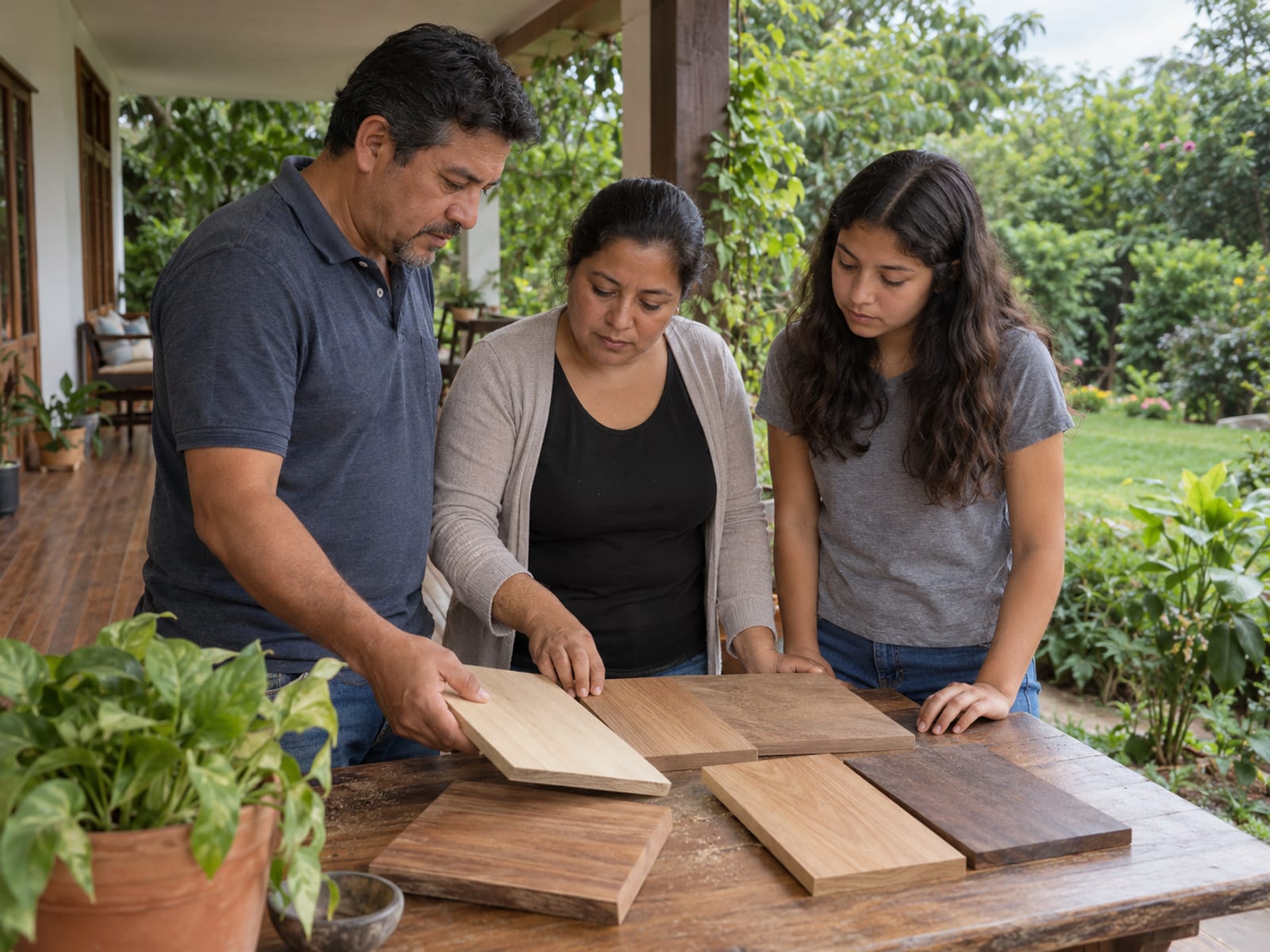
What does treated wood for exterior use mean?
It is wood to which a preservative, or a declared treatment for outdoor exposure, has been applied. The problem is that "treated" gets used without saying which preservative, which process, or which class of use. Compare what the manufacturers declare:
- Lomaco, treated pine: declares an outdoor treatment of 0.40 pounds per cubic foot and a warranty of 20 years against rot and termite and moth attack. The page does not name the chemical preservative or a standard use class.
- Thermally treated pine: the sheet declares use class 3.2 under UNE-EN 335:2013, exterior use without direct ground contact, and it recommends avoiding permanent water accumulation. In termite areas it recommends adequate protection.
- Ecomadera: its page declares impregnation with preservatives against rain, sun and temperature changes, and protection against humidity, insects and UV rays.
With that in hand, ask for the treatment, the declared use class where one exists, and the exact scope of the warranty: who responds, for how long, and how it is enforced. The Consumer and User Protection Law considers basic information to be the characteristics, measurements, composition, quality, price, instructions, risks, payment terms and warranty.
Do plastic wood and composite need maintenance?
It depends on the product, so do not generalize. OCEANPET declares that its PET plastic wood does not rot, does not attract termites and requires no maintenance. Lomaco declares that its composite resists weather, scratches and fading, and that it does not splinter. By contrast, a cleaning guide from a composite manufacturer explains that composite requires less maintenance than other outdoor floors, but that "easy to maintain" does not mean maintenance-free. That guide covers daily cleaning, the use of pressure washers, stains, and products to avoid. It applies to that manufacturer, not to every composite.
On treated pine, Lomaco declares sanding and a water-repellent stain as added protection. For thermally treated pine, the sheet notes that the original color changes with exposure. None of these sources sets a cleaning, sealing or oiling interval, so ask the supplier and request the instructions in writing.
Where should the wood come from, and what documents should the supplier provide?
If you buy natural wood, the supplier must give you the transport and origin documents that apply. The INAB establishes in its forest product transport regulation that the Shipping Note (Nota de Envío) is the document that covers the origin of forest products during transport and at the destination. For registered, active forest companies, the Forest Company Shipping Note (Nota de Envío de Empresa Forestal) is used. When the volume is one cubic meter or less, that note or an invoice can be used.
You can ask the supplier for the invoice, the species, the volume or quantity, the Shipping Note where applicable, the identification of the forest supplier, and the product sheet if the wood is treated or manufactured. The regulation governs origin and transport. You are not expected to verify the whole forest supply chain on your own. Keep the invoice with your other documents.
How much does a deck cost per square meter?
The published figures are few, and each has limits. Present each one for what it is: a reference from a specific document, not an official price, an average, or a current quote.
Note that the board foot and the square meter are not the same unit, so they cannot be subtracted or divided by each other. The pages from Lomaco, Ecomadera, OCEANPET and Novocolor describe products. For composite and plastic wood, ask for the price per m² with the material, thickness and scope stated. A per-square-meter figure is only useful when it says what it includes.
What moves the price most, according to what these sources let you identify, is the material and its composition, the unit of sale, the substructure, the finish, the height, the ground and slope, the municipality, site access, and who buys the materials. It also matters whether the support surface is an existing slab, natural ground or another roof.
Why does the substructure need to be in the quote?
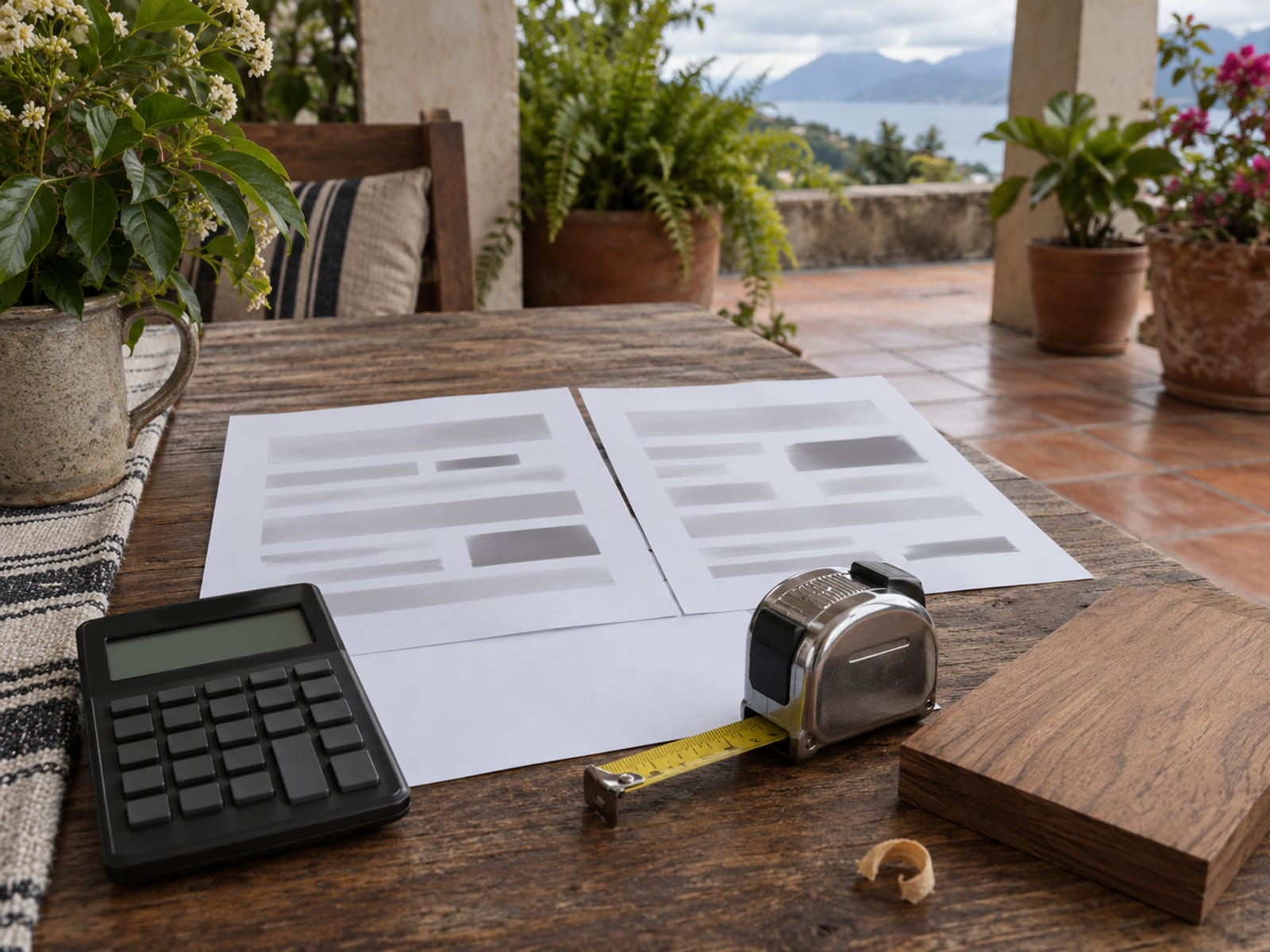
A deck has a visible surface of boards or profiles, and a substructure that holds it up. Depending on the site, that base can include supports, posts, beams, joists and fasteners. A quote that includes only the boards is not comparable with one that also includes the base, even if the first total looks lower.
Ask that each proposal separate boards, substructure, fasteners, labor, transport, finish and taxes, and that it state the unit of each line item. Also define whether the surface will sit on a slab, on the ground or raised, because that condition changes the design and the scope. A competent professional should resolve the design. Neither this guide nor an informal quote replaces that work. The AGIES NSE 7.8 standard is the reference for structural timber design, and it does not turn a quote into a design.
Do I need a license to build a deck?
It depends on the municipality and on the features of the work. In Guatemala City, the municipality explains in its authorizations guide that there is a minor construction license for works of up to 30 m², a major construction license for works of more than 30 m², and a structure license for structures founded in the subsoil or on existing buildings, in addition to a land-use license. Other municipalities have their own procedures. For example, Mixco publishes a procedures manual for construction licenses.
Take the location, the area, the height and the description of the deck to the municipal office that receives license applications. An elevated deck, one with a railing, or one on a slope should be reviewed by a competent professional and by the responsible municipality before you hire.
How do I compare two quotes, and what do I ask the carpenter?
Compare them using the same area unit, the square meter, and the same identified material. Before you hire, ask:
- Product: trade name, manufacturer, species or composition, and the thickness and width of the boards.
- Treatment: preservative, heat treatment or declared use class.
- Substructure and fasteners: what is included and who designs it.
- Finish: product, number of coats, and cleaning and maintenance instructions.
- Origin: invoice and Shipping Note where applicable.
- Warranty: who responds, the time period, the place, and how it is enforced.
- Payments and dates: stages, start date, duration, and how changes are approved.
- Permits and taxes: whether they are included or left to you.
Frequently asked questions about building a deck in Guatemala
How much does a deck cost per square meter?
It depends on the material, the substructure, the finish and the municipality. A catalog on Scribd publishes Q900 to Q1,500 per m² without detailing the scope, and a 2013 thesis records Q1,500 per m² in an academic budget. Ask for quotes per m² with the product identified.
What wood works for an exterior deck?
There is treated pine, thermally treated wood, tropical hardwoods, composite and plastic wood. The technical sheet of the product being quoted decides whether it suits your use, such as ground contact or humidity.
Does plastic wood need maintenance?
OCEANPET declares that its product does not. A guide from a composite manufacturer clarifies that its product requires less maintenance, but not none. Ask for the instructions for the specific product.
Which document travels with the wood during transport?
The INAB Shipping Note, or an invoice in the cases the regulation allows. Ask the supplier for it where applicable.
What if the deck will be raised or built on a slope?
Ask a competent professional to review it before you hire, and check with the municipality which license applies.
How do I find someone who builds decks?
In the deck directory you will find businesses and professionals in that trade. The directory shows them. Confirm their work, permits and warranties directly.
What must be in writing before you pay
There is no single material that suits every case. There are products with different technical sheets, different uses and different maintenance needs. The decision becomes manageable when you compare the same square meter, the same identified product and the same substructure. With that in hand, a price stops being a loose number.
If you ask for the technical sheet, the origin documents, the maintenance instructions and the warranty in writing, you decide with data rather than promises. The deck then lasts the use you bought it for.
At Albañiles Guate we help people in Guatemala find and contact masons, builders and related construction trades by service and by location. When you have the measurements and materials you want to compare, you can write to us from the contact page to start requesting quotes.
Related guides

How to Request a Masonry Quote in Guatemala
A masonry quote in Guatemala should spell out materials, labor, rubble removal, dates, payment stages, and warranty. Review every line before you decide.
What a Written Scope of Work for a Masonry Job Should Include
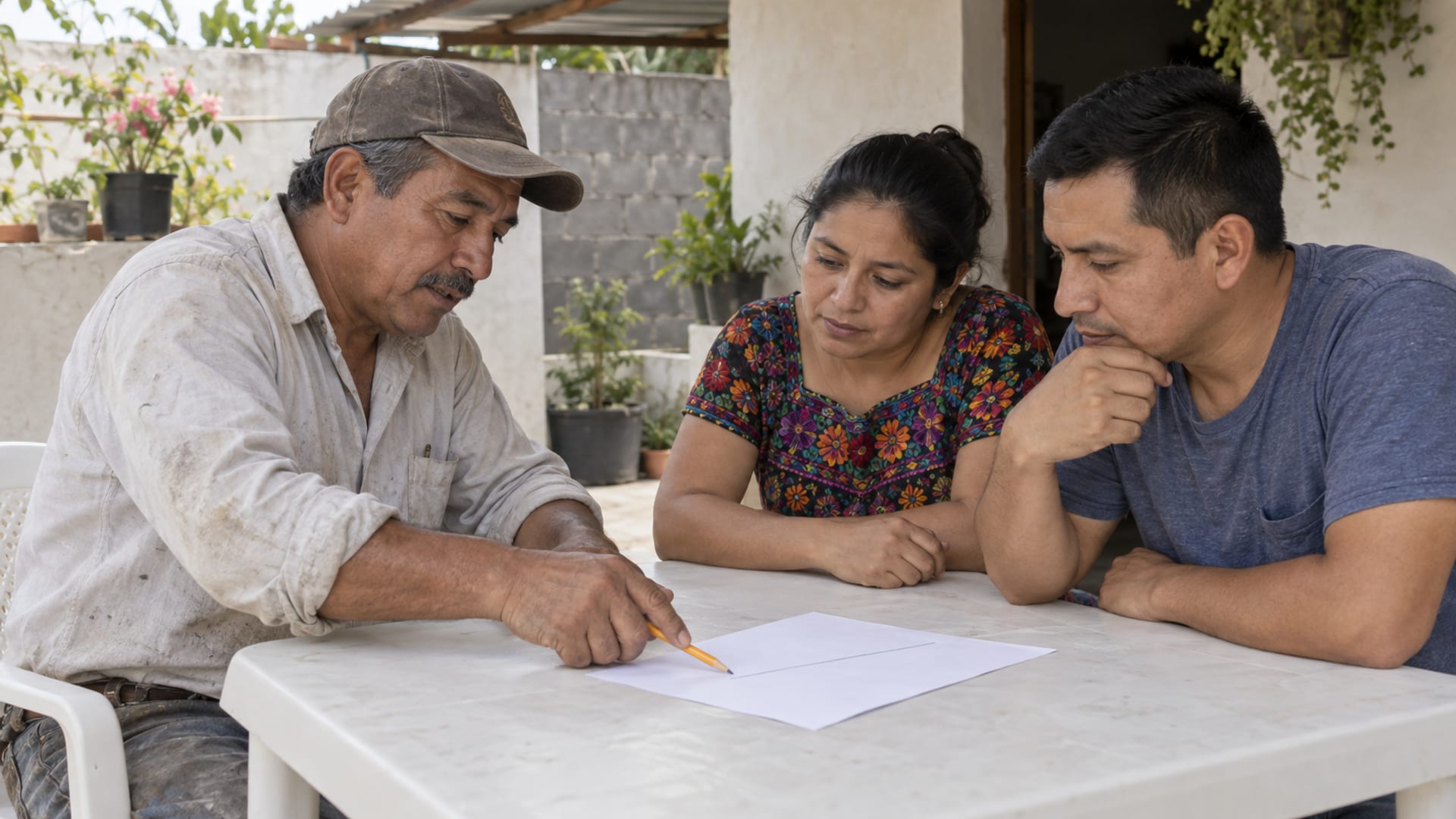
Before you hire, write down what the job includes, who buys and removes materials, the start and end dates, payments, final cleanup, and the warranty period.
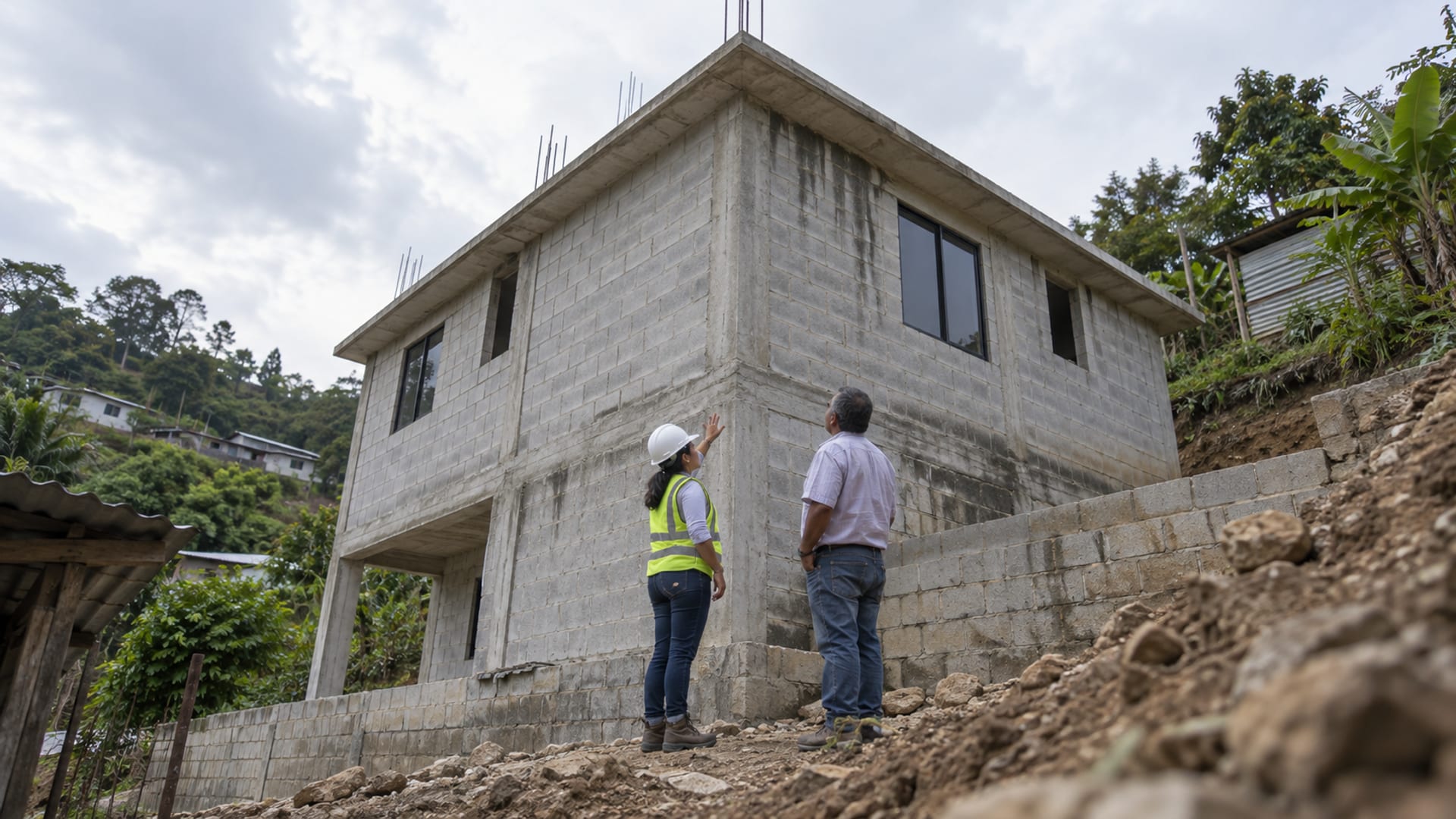
When to consult a structural engineer before building work
Before you remodel, check whether the change touches walls, slabs or foundations. Learn when to consult a structural engineer and what to bring to the visit.