
What a Written Scope of Work for a Masonry Job Should Include
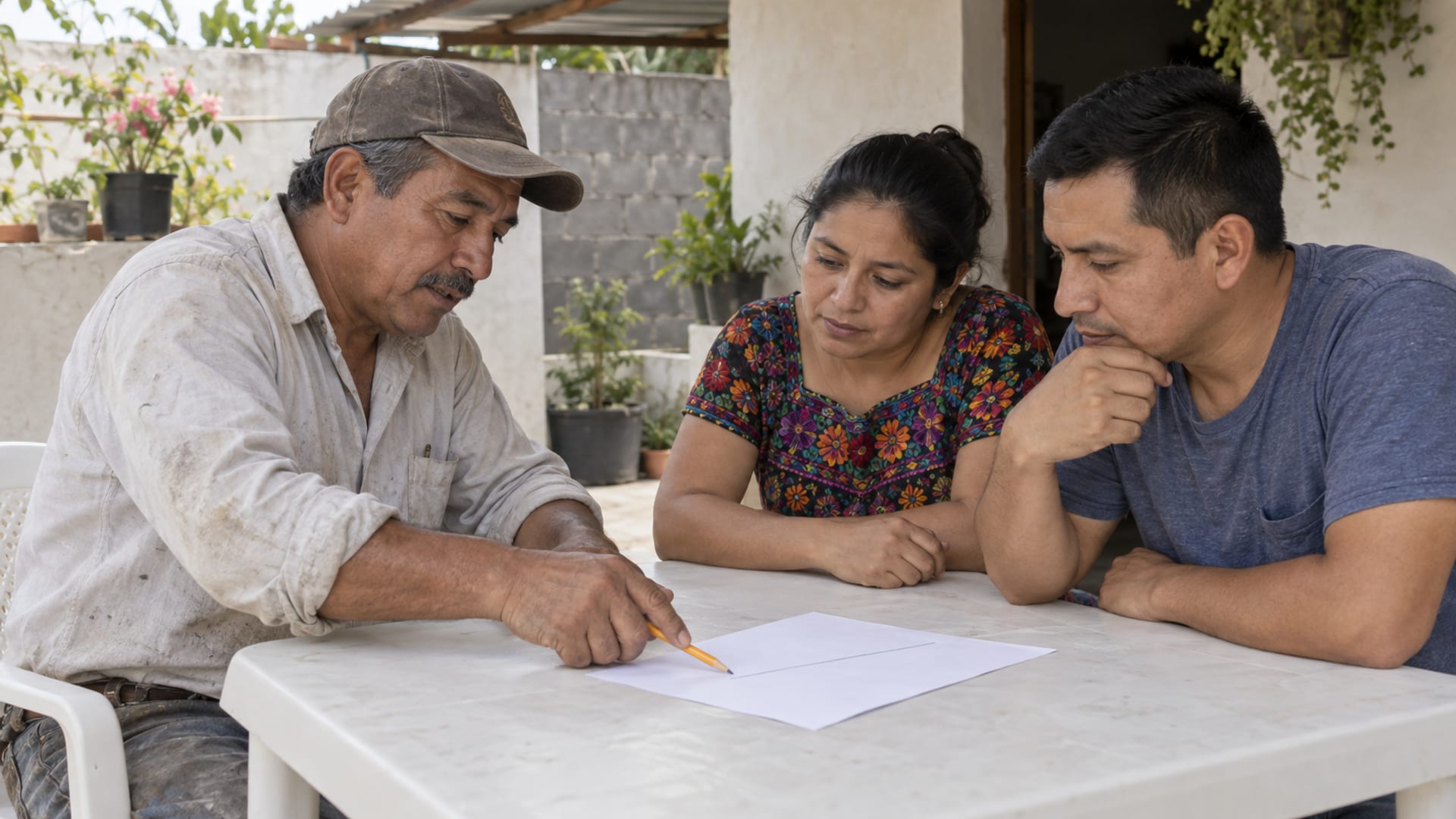
You receive a one-line quote with a single amount and the words "all included," and you do not know whether that price covers the cement, the removal of the debris, or the final cleanup. It is a common worry, and it usually surfaces too late: when the wall is half built and nobody remembers who was going to buy the sand. The scope of a masonry job is the written list of what will be done, where, with which materials, and what is left out. With that list in hand, comparing proposals and clarifying responsibilities becomes much simpler. Here you will find the points worth putting in writing, the order to review them in, and what to ask for when a proposal leaves them out. At the end, you will have a checklist to review before you sign or hand over the first deposit.
Key takeaways
A price without detail leaves questions for later
A quote can be just an amount, a WhatsApp message, or a note on a sheet of paper. Each person reads it in their own way. The person hiring may understand "all included" to mean materials, labor, debris, and cleanup. The person doing the work may understand only labor. Neither is lying; nobody simply wrote down where the job ends.
Article 30 of the Ley de Protección al Consumidor y Usuario (Consumer Protection and User Law) says that those who provide services must respect the terms, deadlines, conditions, and warranties with which the service was offered, published, or agreed. That obligation points to what was agreed. For that reason, what was agreed should be written down clearly, and you should keep a copy.
The Civil Code (Código Civil), in its title on the works or enterprise contract, defines this kind of agreement as one in which the contractor commits to carry out and deliver a work commissioned by another person, in exchange for a price. You do not need a special form to begin. You need a description that anyone can read and understand in the same way.
The job and the exact area come first
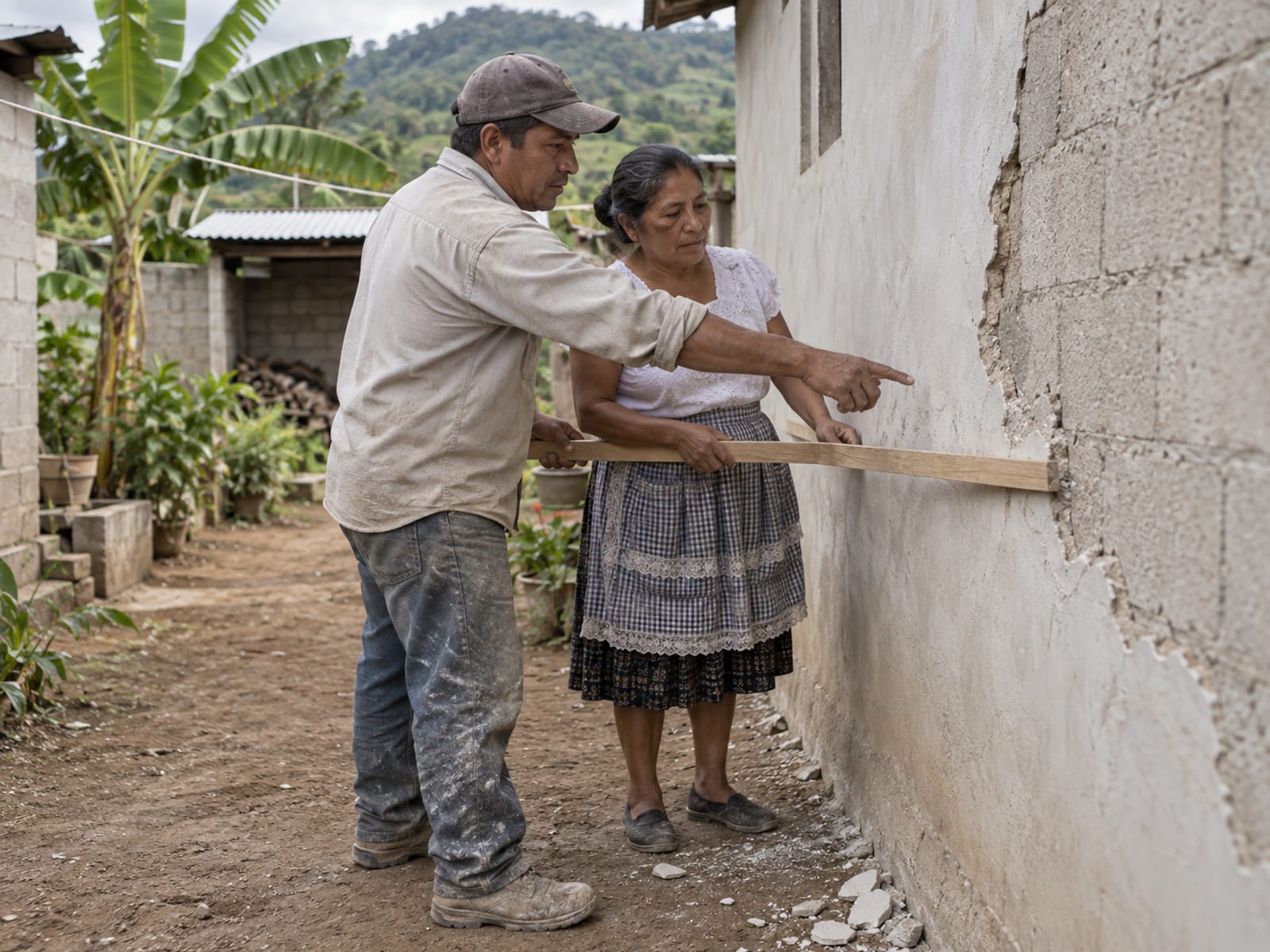
Start with the place and the result. Give the property address, the area where the work will happen, and what must be finished. "Repair the wall" says little. "Repair the wall in the back yard, north side, from the corner to the gate" can be measured and checked.
This keeps a localized repair from being confused with a broader job. It also helps when comparing proposals: if two masons describe different areas, their prices cannot be placed side by side.
If there is partial demolition, describe it just as concretely. Note what is removed, what is kept, and how what remains is protected. The words "demolition" and "preparation" can mean a small removal or a large one, so the exact area must be in the text. The same goes for preparation: protecting, clearing, measuring, or removing elements before starting affects time, access, and cleanup.
Each material needs a named person responsible, in writing
The most common question is who buys the materials. The law does not assign all the materials of a masonry job to a single party. What each party will do must be part of the agreement. For each material, write down:
- Name and type: for example, the type of block or the type of cement.
- Unit and estimated quantity: bags, cubic meters, thousands, or whatever unit applies.
- Who buys it and who pays for it: you, the mason, or a third party.
- Who delivers it and who stores it: so you know whom to ask if something is lost or gets wet.
- Allowed substitutions: what happens if the chosen material is not available.
Also separate labor, transport, equipment, and excluded work. The word "materials" sometimes includes tools or freight and sometimes does not; writing it down avoids different readings of the price. A list of exclusions, even a short one, protects both sides. If something is not included, say "not included."
Access, water, electricity, and hours also count
Day-to-day details cause many disputes. Write down how the crew will get in, what water and electricity will be available and whether the mason may use them, where the vehicle will park, and what hours the work will happen. If you live in a condominium or a neighborhood with its own rules, those rules apply, so check them before agreeing on hours.
Also note how floors, doors, windows, furniture, and existing installations will be protected. A phrase like "take care of the house" is very general. It is more useful to state which areas are covered, which are not touched, and who repairs any accidental damage.
If the work is done at height, the scope can say who supplies, installs, inspects, and removes scaffolding, and what protective equipment the crew will use. The Occupational Health and Safety Regulation (Reglamento de Salud y Seguridad Ocupacional), issued by the Ministry of Labor (Ministerio de Trabajo), contains rules on protective equipment, fall prevention, and scaffolding. Notes in the scope do not replace what the regulation requires, or a risk assessment done by a professional.
The schedule needs a start and a way to finish
Write the start date, or a window of dates, and the stages you expect. Add the pauses you can anticipate, such as curing time for a mix or waiting on a material. Finally, state the completion date or condition.
This matters because the law requires agreed deadlines to be honored, and you can only honor what is defined. A phrase like "in a few days" cannot be checked. "Start Monday the 3rd and finish in 15 working days" can.
Rubble and final cleanup are assigned before work begins
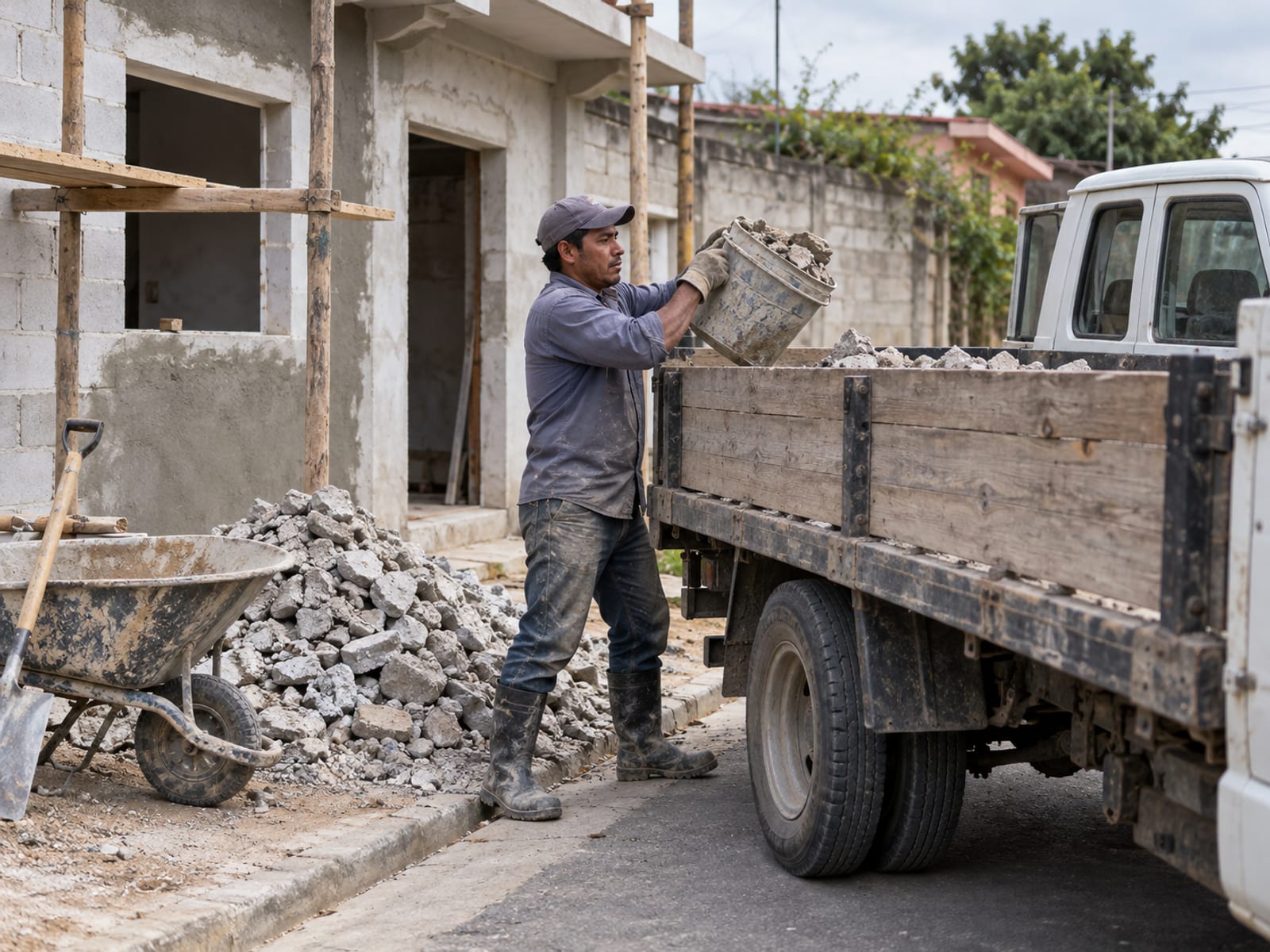
Rubble is the mineral waste and debris from construction or demolition: concrete, blocks, earth, and similar materials. Write down whether the mason, you, or a third party will remove it; who loads and transports it; who pays for the transport; and where it will be taken.
In Guatemala City, the Municipality published the rules for bringing sandy material and rubble to the Zone 3 landfill (Vertedero de la zona 3). That document states that the material must come from works within the municipality, and it mentions requirements such as a vehicle in adequate condition, visible plates, identification of the type of material, a visible construction permit, and registration forms. Those rules apply to that site and that municipality. They do not automatically carry over to other places in the country.
At the national level, the Ministry of Environment and Natural Resources (MARN, Ministerio de Ambiente y Recursos Naturales) publishes the Regulation for the Comprehensive Management of Common Solid Waste and Debris (Reglamento para la Gestión Integral de los Residuos y Desechos Sólidos Comunes). If you do not know where construction debris goes in your municipality, ask your municipality before agreeing on who removes it.
Final cleanup should also be described. Clarify whether it includes sweeping, washing, removing leftovers, and leaving the area ready for use, or only removing the heavy debris.
Payments are tied to dates or stages you can verify
Set how much is paid, when, and in exchange for what progress. A common approach is to tie each payment to a milestone, meaning a defined result you can see, such as "foundation finished" or "plaster applied on the north wall." That way, each payment matches progress you can check.
The cited articles of the law do not set a percentage for a deposit. The amount of the first payment is set by agreement between the parties, so write it down with its date and condition. When payment is made in installments or on credit, articles 27 to 29 of the same law require that the cash price, any additional payments, the number and frequency of payments, and the total amount be disclosed in advance, and that a signed copy of the document be delivered.
Ask for an invoice or a document that proves the service, and keep a receipt for each payment. According to the Regulation of the Law (Reglamento de la Ley), the invoice or an equivalent document supports certain administrative claims before DIACO (Dirección de Atención y Asistencia al Consumidor, Consumer Care and Assistance Office).
Each change is described and approved in writing
Changes always come up during a job: a longer wall, a different material, an extra task. What matters is that they do not stay only in memory. A dated note can include:
- What was originally requested and what changes.
- The work added, reduced, or replaced.
- The materials added, removed, or replaced.
- The effect on time and price.
- Who approved it and when.
- The receipt or proof that applies.
Keep the note together with the revised quote, the relevant photos, and the payment receipts. This procedure is a practical way to organize the agreement, not a form that the law requires for a masonry job.
A WhatsApp message is a reference, but what matters is confirmed in a document
A lot is discussed by message, which is normal. The Law for the Recognition of Electronic Communications and Signatures (Ley para el Reconocimiento de las Comunicaciones y Firmas Electrónicas), Decree 47-2008, governs electronic communications and the formation of contracts by electronic means. For that reason, emails and conversations can be kept as a record of what the parties said to each other.
Even so, a loose message does not replace a clear document. If a change is approved by message, save the full conversation and note it in the revised version of the scope. To know whether a specific message or agreement can be enforced in your case, consult a Guatemalan lawyer or notary. This article describes what the texts say and does not decide any particular case.
Receiving the work has its own procedure
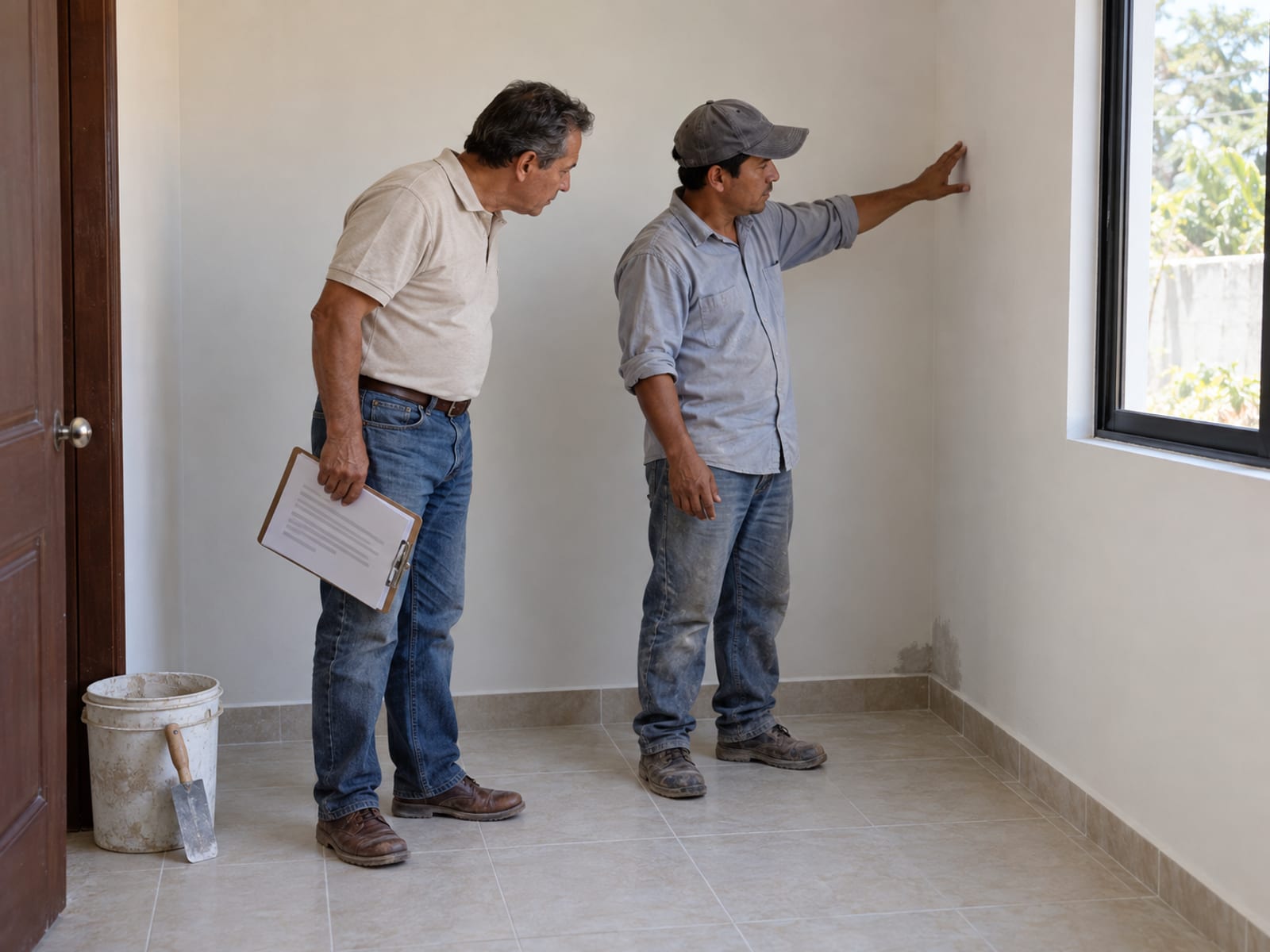
The Civil Code addresses the delivery and acceptance of the work, and the payment of the price in the form and within the deadlines agreed. In practice, write down how the finished work will be inspected: who inspects it, on what date, how open items are recorded, and when delivery and cleanup take place.
An informal check, such as "it's fine," leaves little record. It is more useful to walk the job with the scope checklist in hand, write down what is missing, and date that note. If items remain open, agree who will fix them and by when, before making the final payment. The legal consequences of accepting a job are a topic to review with legal advice.
The warranty has a written period
Article 33 of the Consumer Protection and User Law says that the person providing the service must state in writing the period for which it guarantees the service or the repair carried out. If a warranty is offered, ask that the document say:
- Which parts of the work it covers and which defects or damage it includes.
- How long the period lasts.
- What situations are excluded.
- How and within what time a defect must be reported.
- Who inspects it and who returns to fix it.
- Who pays for the labor, materials, and transport of the correction.
In those articles, the law does not set a single period for every masonry job. The period that counts is the one written into the agreement. For a claim, keep the quote, the scope, invoices, receipts, and communications, and check the channels of DIACO for the procedure.
The permit depends on the municipality where the property is located
Before starting, ask whether the job needs municipal authorization. In Guatemala City, the Ventanilla Única de la Municipalidad (the Municipality's single-window office) explains the procedure: obtaining the forms and requirements for your type of application, completing the form, attaching documents, filing the case file, and waiting for the technical review and notification. The POT of the Municipality of Guatemala (Plan de Ordenamiento Territorial, land-use plan) applies to construction activities, including demolitions and buildings.
Other municipalities have their own rules and procedures. For that reason, do not carry a rule from the capital over to another place: consult the municipality where the property is located. If the work touches the structure or the design, ask a qualified professional to review it. The written scope helps organize the agreement, but it does not replace professional plans, calculations, or specifications.
Frequently asked questions about the scope of a masonry job
What should a masonry contract include?
Include the exact area and work, demolition and preparation, the materials and who is responsible for each, labor, access and hours, dates, rubble removal, cleanup, payments, changes, acceptance, and the warranty. The law requires honoring the conditions, deadlines, and warranties offered or agreed. The other items are a practical way to organize the agreement.
Who buys the materials for a job?
Whatever you agree, as long as it is in writing. For each material, state who buys it, pays for it, delivers it, and stores it, and what happens if the chosen material is not available.
How do I record a change during the job?
Describe in writing what changes, which material or task is added or removed, who approved it, the date, and the effect on time and price. Keep the message, the revised quote, or the related receipt.
Do I need a permit to remodel or demolish?
Confirm it with the municipality where the property is located before starting. In Guatemala City, the Ventanilla Única indicates that requirements depend on the type of application.
What warranty should a mason provide?
If a warranty is offered, article 33 of the law requires that its period be stated in writing. Also ask what it covers, what it excludes, how a defect is reported, and who will do the correction.
Who should remove the rubble?
Write down whether the mason, you, or a third party removes it, who pays for the transport, and where it is taken. In Guatemala City there are municipal requirements for bringing rubble to the Zone 3 landfill.
To finish: your checklist before you sign
Before signing or handing over the first deposit, check that the proposal states the exact area and work, the demolition and preparation, the materials with their responsible parties, what is excluded, access, water, electricity, and hours, the dates, the rubble and cleanup, the payments by stage, how changes are approved, the acceptance of the work, and the warranty period. If something is missing, request it in writing; it is a normal and reasonable request. Also confirm with the municipality whether the work requires authorization.
A clear scope saves difficult conversations halfway through the job, and it gives you and whoever works in your home a single reference to check. When something changes, that document lets you adjust the agreement without starting over.
At Albañiles Guate, we help people in Guatemala find and contact masons, builders, and construction trades by service and by location. Our directory does not recommend, rank, approve, or insure the businesses listed, so each agreement should be confirmed directly with the person you hire. If you want to look for someone for your job or have a question, write to us through our contact page and we will explain how to proceed.
Related guides
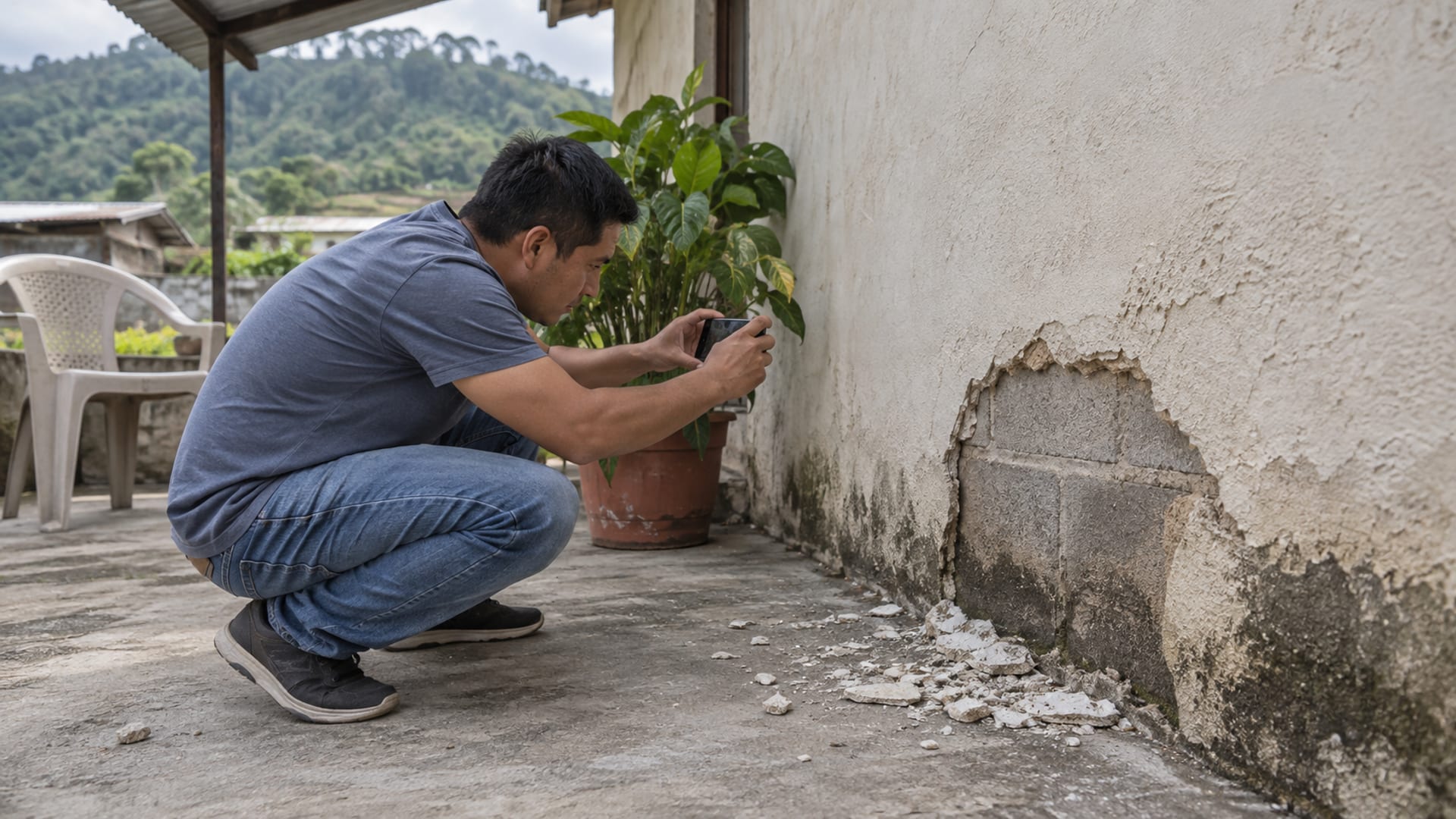
How to Request a Masonry Quote in Guatemala
A masonry quote in Guatemala should spell out materials, labor, rubble removal, dates, payment stages, and warranty. Review every line before you decide.
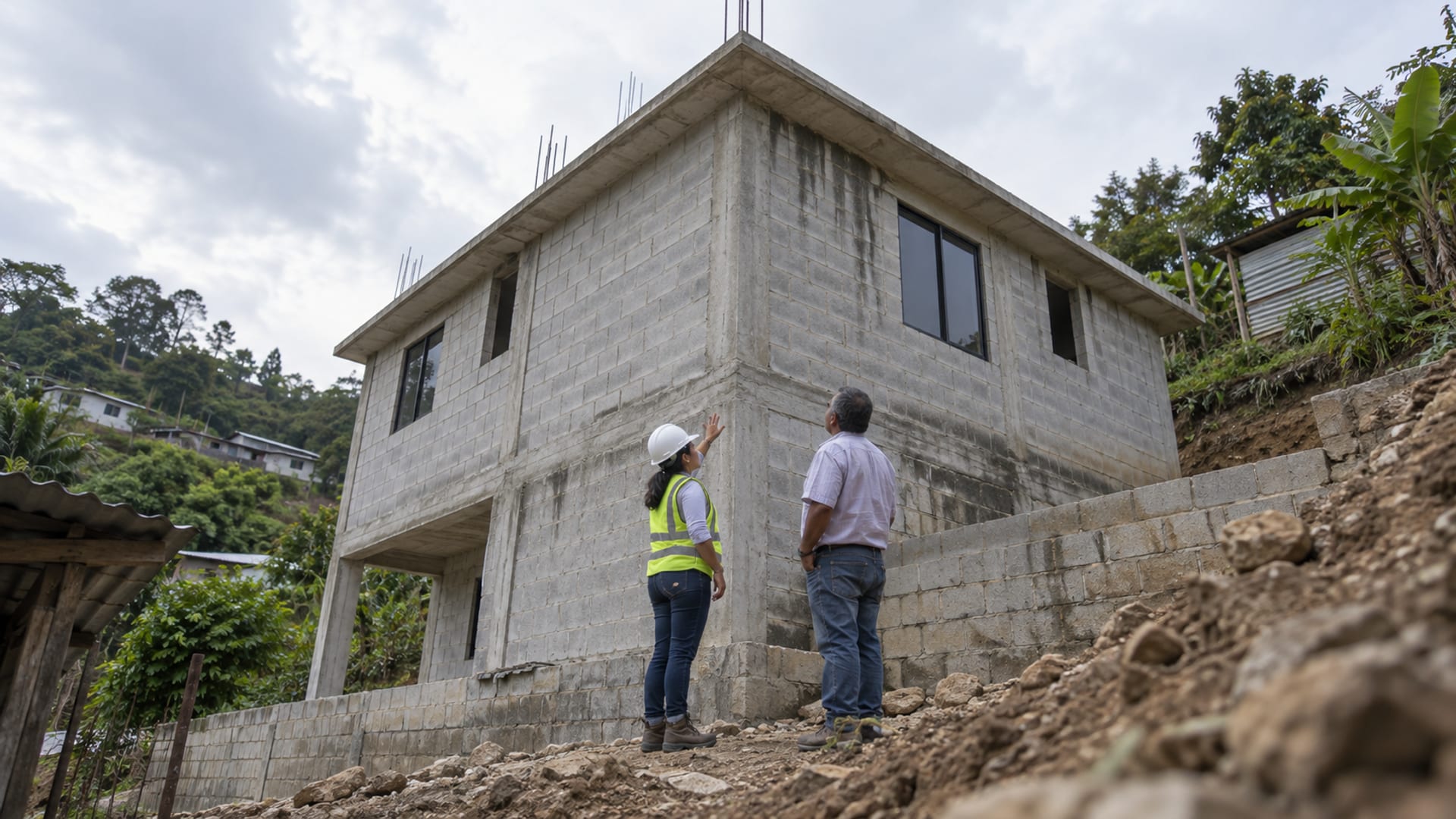
When to consult a structural engineer before building work
Before you remodel, check whether the change touches walls, slabs or foundations. Learn when to consult a structural engineer and what to bring to the visit.
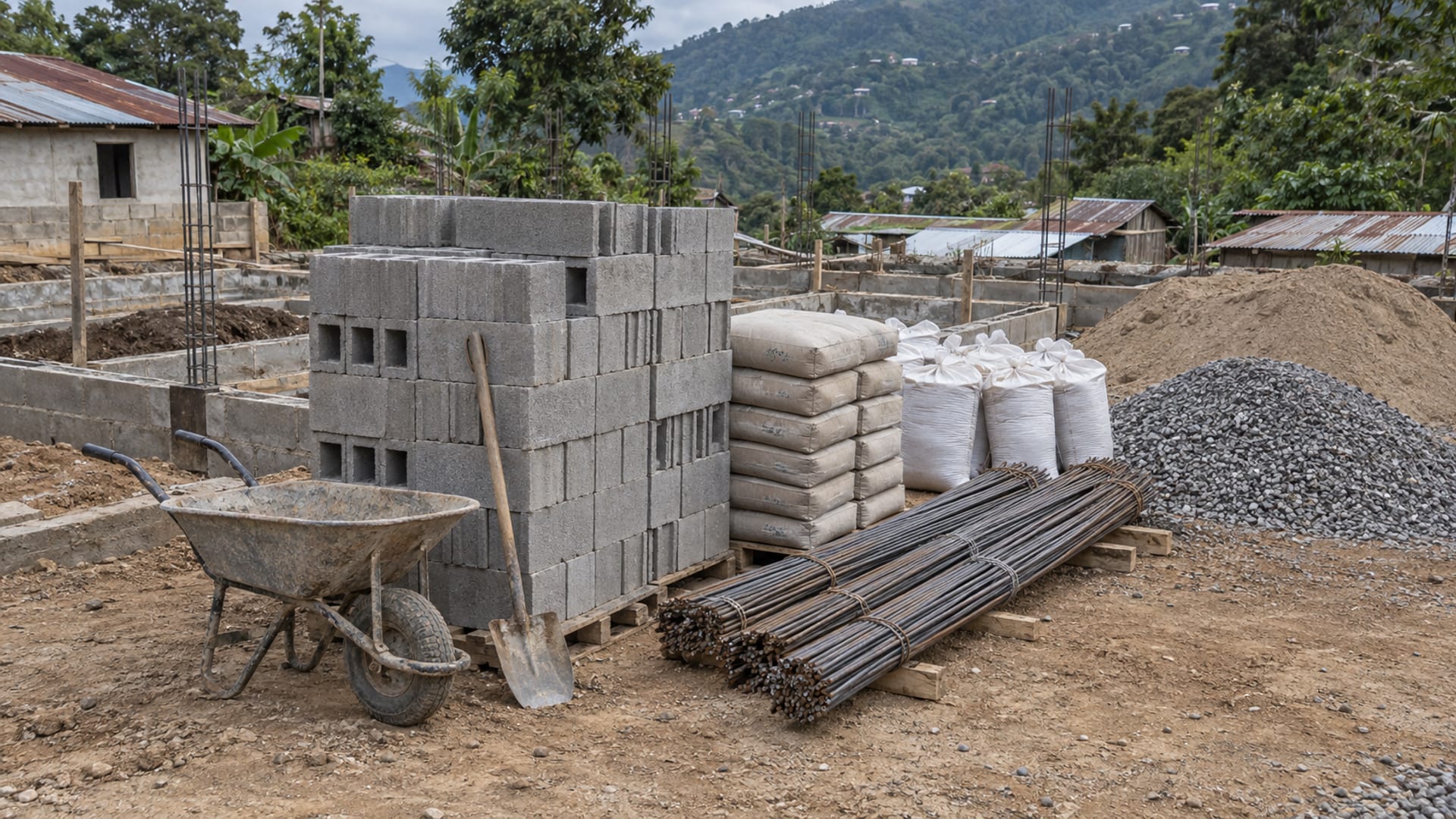
How to compare a materials list for a construction job
To compare construction materials lists, check quantities, units, substitutions, transport, and who receives each material before you decide on a quote.