
Leaks in a concrete slab roof: what to do now
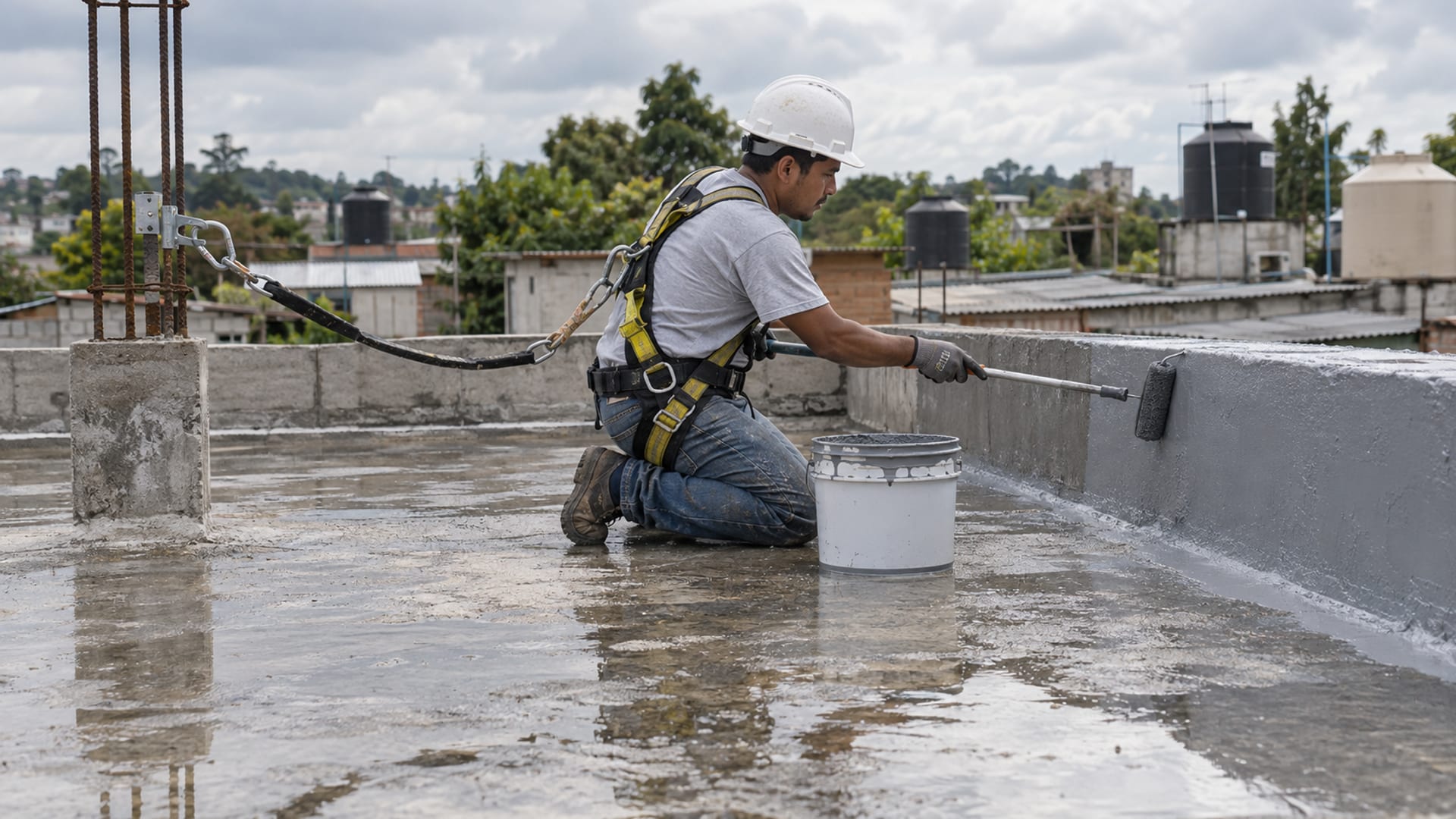
Water is dripping through the false ceiling or running down a wall, and you do not know whether the urgent step is to put a bucket under it, call someone, or go up on the roof to look. Leaks in a concrete slab roof are urgent, but that urgency is often what leads people to pay for a repair that fails again. First, protect whatever is under the water and keep away from electrical items and the wet slab. Second, calmly note when the water appears and in which rooms. With that information, a professional can tell you where the leak may be coming from, and you can ask for two quotes that describe the same work. Below you will find what to do while it rains, which systems exist, how much has been published per square meter, and what should be put in writing before you pay.
Key takeaways
How do I reduce the damage while water is still coming in?
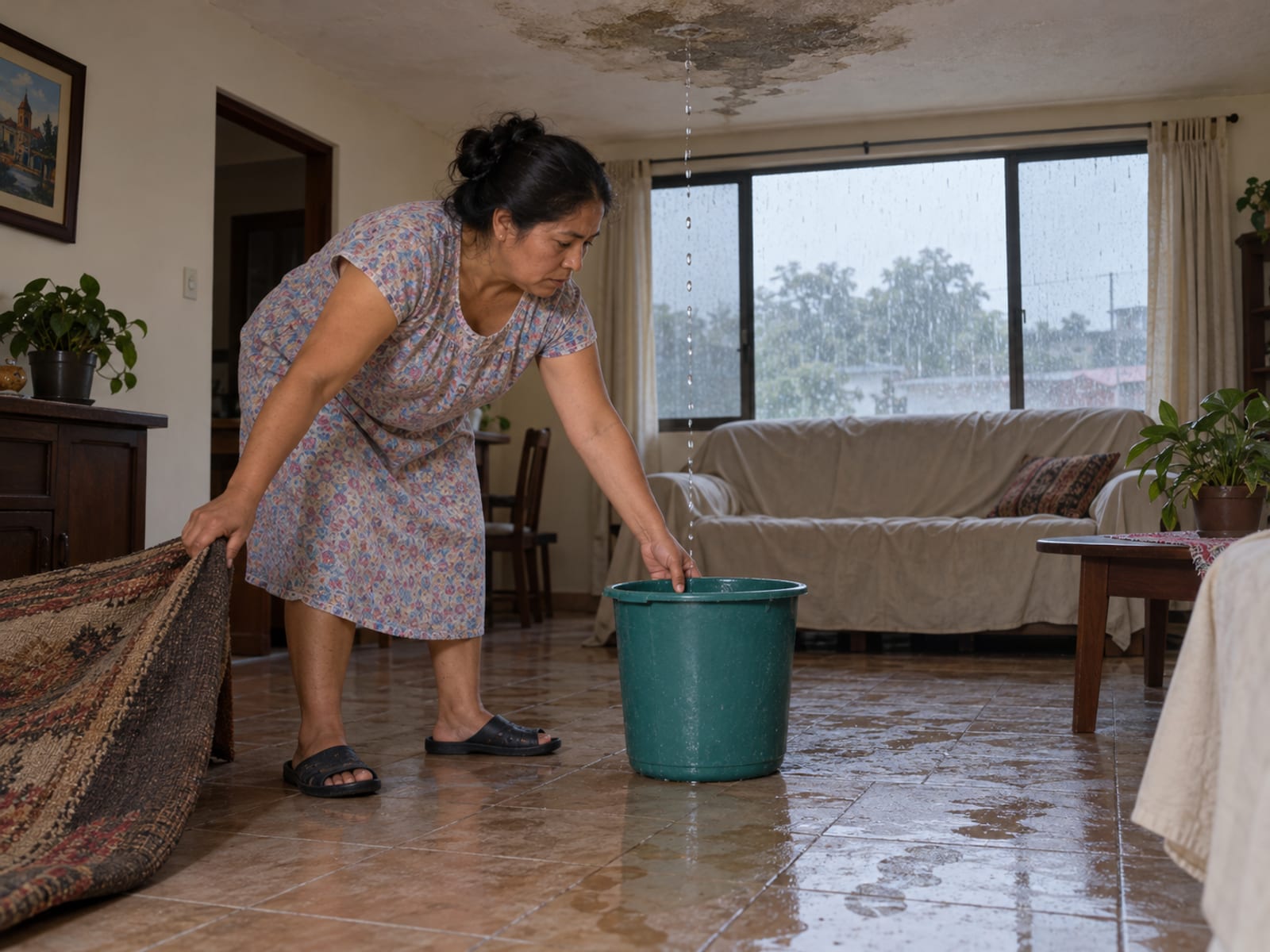
While water is coming in, the goal is not to repair the slab but to reduce the damage and avoid an accident. These steps can be taken from inside the house, with a dry floor under your feet:
- Move furniture, documents and appliances away from where the water falls.
- Keep people off wet floors and out of areas where water is pooling.
- If water reaches outlets, light fixtures or wiring, ask a qualified electrician to determine how to disconnect the affected circuit.
- Note the time and the intensity of the rain, the rooms affected, and whether the dripping continues after the rain stops.
- Take photographs from a dry, safe spot.
CONRED recommends, in a rain emergency, looking for safe places, avoiding flooded areas and following official information; its rain page and its recommendations for events caused by rain detail those steps. If people are in danger, the emergency number it publishes is 119.
Why is climbing up to inspect the slab dangerous?
It is understandable to want to see with your own eyes where the water comes from, but a wet slab is slippery, and rain or wind increase the risk of a fall. The General Regulation on Occupational Health and Safety states, for work on roofs and roof coverings, that suitable means must be used to do the task without danger, and it names anchoring workers to a horizontal lifeline as a means of protection. For slippery roof coverings it requires extra safety measures, with more rigor from three meters in height.
Those provisions do not authorize an untrained person to climb a wet roof. Work on a roof must be organized by competent personnel, and the Government Decree 057-2022 (Acuerdo Gubernativo 057-2022) requires every construction project to have an occupational health and safety plan before it begins. If you want to do a visual check, do it from ground level, without turning it into a conclusion about the structure.
How do I describe the leak so people can help me find its source?
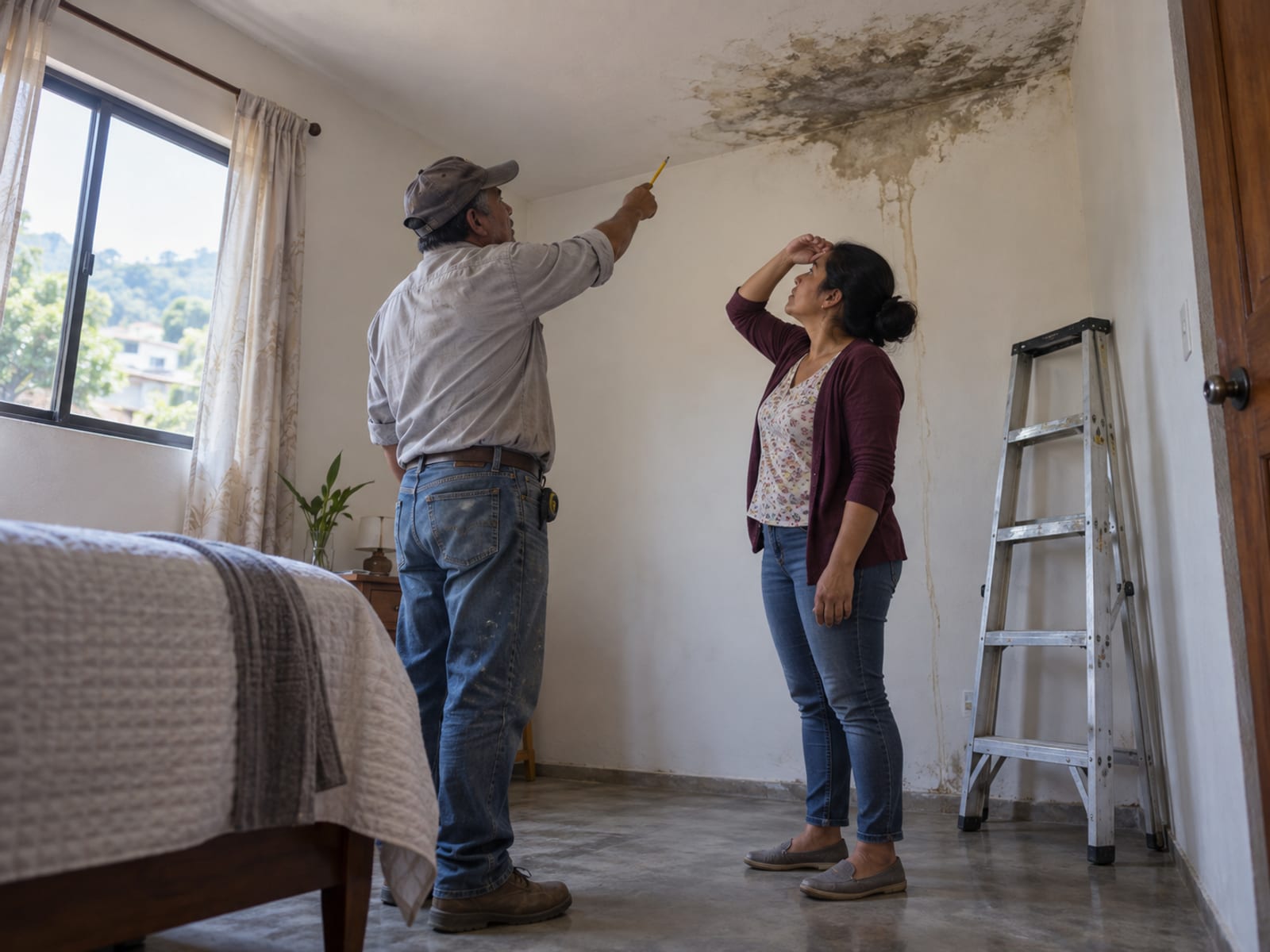
A notebook with three notes is worth a lot: when the water appears, in which room, and whether it happens only when it rains. Add photographs, the approximate area of the slab and any earlier repairs. With that, whoever inspects it knows where to start.
One thing to keep in mind: the visible stain on the ceiling or wall is not necessarily directly below the entry point. According to El Palacio de las Pinturas, water can travel across the surface, through joints, finish layers and cavities before it appears indoors. A visual check therefore helps you request an evaluation, but it is not a certain diagnosis.
Where does water usually get into a slab?
These are the points worth checking, although none of them alone confirms the source of your leak:
- Cracks and fissures: an opening in the concrete or in the finish layer can let water through. AGIES notes that reinforced concrete can show cracks and that, depending on their size, they can affect durability.
- Joints: a poorly detailed, deteriorated or failed sealed joint can be an entry route.
- Edges and parapets: cracks in the parapet (the low wall along the edge of the slab) and the junctions between slab and wall are vulnerable points.
- Drains: an outlet that is blocked, poorly connected or poorly finished lets water pool.
- Pipes and other elements that pass through the slab: they need flashing that does not let water through.
- Worn coating: a deteriorated waterproofing layer loses its continuity.
- Ponding that does not drain: water that stays on the roof has more time to find a weak point.
Keeping roofs, gutters and drains clean helps reduce water buildup. That cleaning check works better when it is done before the rainy season begins and with the safety measures from the previous section.
What kinds of waterproofing exist, and how do I choose?
Technical guides from manufacturers, including Sika Perú and Sika México, describe three main families of systems. This list helps you understand the proposals; which one suits your slab is decided by whoever evaluates it.
- Acrylic coatings or liquid membranes: applied as a continuous layer. They are used on concrete and mortar surfaces, provided they are compatible with the base and the manufacturer's application conditions are followed.
- Modified asphalt membranes, including SBS type: prefabricated sheets. Their use requires checking the substrate, the edges, the joints, the drains and the installation conditions of the specific system.
- Cementitious coatings: cement-based layers that limit water passage on mineral surfaces; their application depends on the product and the surface.
The decision should not be made on the trade name alone. Each product's technical data sheet states the surface it accepts, the preparation, the application conditions, the coverage, the drying time, compatibility and limitations. Ask for the data sheet of the exact product you are offered; many are published on the documents page of Sika Guatemala and on other manufacturers' sites. Paint applied without checking drains, joints and the surface is not the same as a complete system.
How much does it cost to waterproof a slab per square meter?
The figures published for Guatemala are commercial estimates, not official rates or national averages. Two sources publish prices per square meter in 2026: Tekthon, in an article dated 2 March 2026 that calculates ranges for jobs of 80 to 600 m² in the metropolitan area and the departments, and House Guatemala, on a 2026 page that uses a slab in zone 10 of Guatemala City as its example.
If you combine both publications, acrylics range from Q45 to Q95 per square meter, asphalt membranes from Q85 to Q180, and polyurethane from Q120 to Q280. These ranges are wide because the systems, the coats and the scope in each publication differ. House Guatemala also publishes a total of Q2,700 to Q8,400 for a 60 m² slab on a two-story house in zone 10, depending on the system chosen. That figure is an example from that page and not a quote for another property.
Look at the last row of the table: a spot repair is charged per point, not per square meter. If the leak comes from a single flashing, that may be a different conversation from waterproofing everything, but deciding that is up to whoever inspects the slab, not a price table.
Why does one quote cost more than another?
It is almost never just a matter of rate. The published sources link price to several factors, and each should be reflected in the proposal:
- System chosen: Tekthon publishes different ranges for acrylic, APP asphalt, SBS and polyurethane.
- Preparation: Tekthon's analysis includes removing deteriorated layers, washing, filling cracks and treating the junction between slab and parapet.
- Number of coats and reinforcement: House Guatemala distinguishes a basic acrylic from a premium one with three coats and fiber.
- Type of use: a walkable terrace does not need the same work as a house slab that almost no one walks on.
- Size of the job and location: Tekthon's ranges start from jobs of 80 to 600 m², and House Guatemala's example is 60 m² in zone 10.
- Materials and labor: House Guatemala expresses its prices as labor plus material; Tekthon breaks down preparation, materials, supplies, labor and protective equipment.
Access, building height, slope, direct purchase of materials and equipment rental have no common price table; they are items you must request expressly in the quote. The same applies to removing old waterproofing, cracks, flashing, drains, joints, scaffolding, rubble removal, taxes, testing and warranty: confirm in writing whether each one is included or excluded.
When do I need an engineer or an architect?
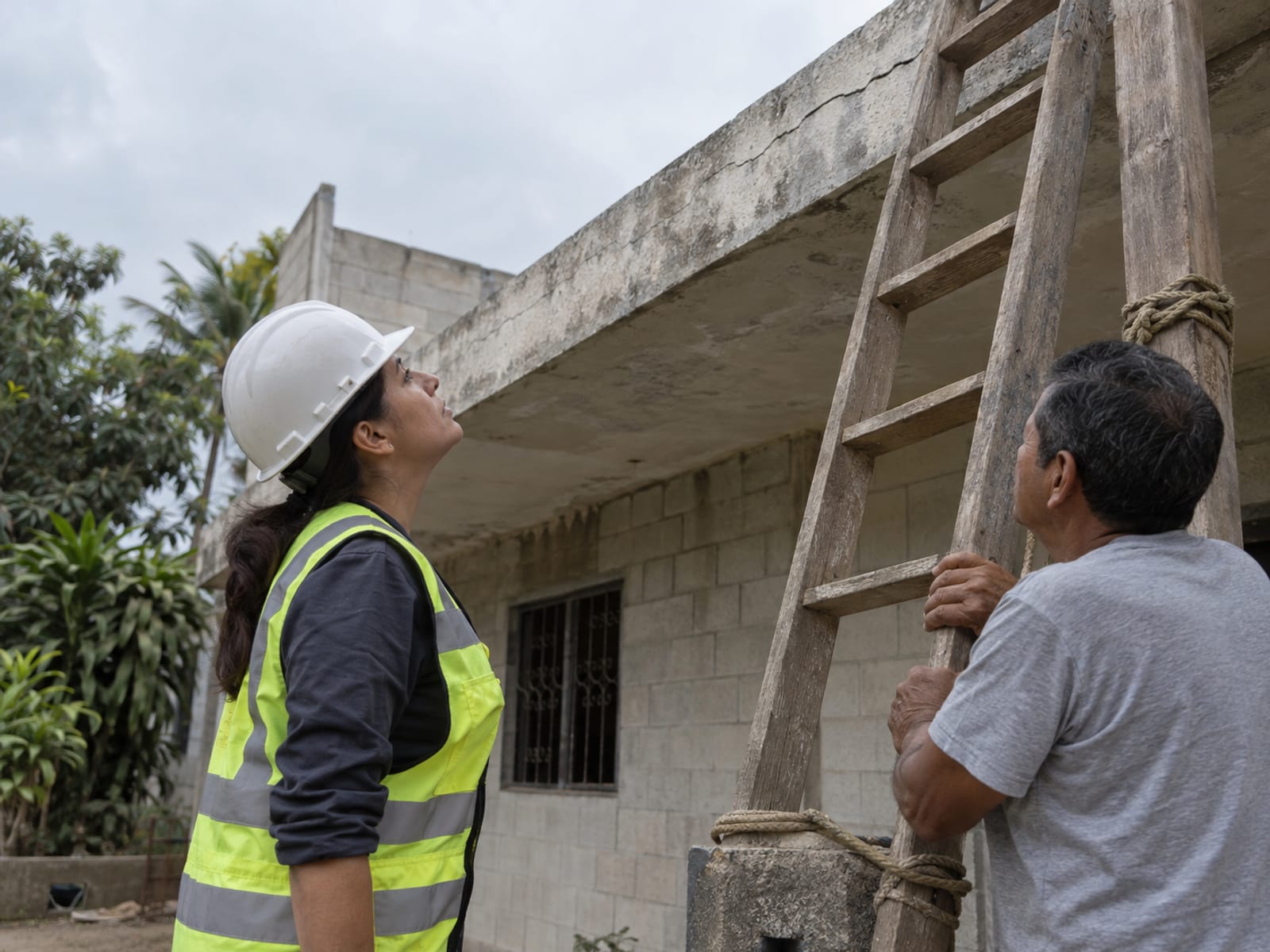
A leak on its own is a water problem. But some signs can affect safety or the structural behavior of the roof, and in those cases a professional assessment is warranted: significant cracks, deformation or sinking, spalling concrete, exposed or rusted steel, large wet areas, persistent leaks, or damage that appeared after an earthquake.
CONRED indicates that if cracks appear in the ground or in the walls, if water enters the home, or if there is another danger linked to rain, people must move to a safe place and report the situation to the authorities or to 119; its note on evacuating in time explains this. The decision on safety, reinforcement or structural repair belongs to a competent civil engineer or architect. AGIES publishes structural safety standards, including NSE 6-2024 on the evaluation and rehabilitation of existing buildings, but applying them to your property falls to the responsible professional. Professional registration is confirmed with the Colegio de Ingenieros de Guatemala (Guatemala engineering college) or the Colegio de Arquitectos de Guatemala (Guatemala architecture college), as applicable.
If the work changes the roof or the structure, also ask the municipality of the property which permit or procedure applies. In Guatemala City, confirm the procedure with the Municipality of Guatemala before you begin.
What should the quote say in writing?
To make two proposals comparable, ask both to separate these points:
The Consumer and User Protection Law (Ley de Protección al Consumidor y Usuario) requires the provider to honor the conditions, deadlines and warranties offered or agreed, and to state the service warranty period in writing. A service warranty is not the same as a product or structural warranty; ask which one applies. If you later need to file a complaint, DIACO describes the complaint procedure and asks for documents proving the purchase or service, so keep the invoice, receipt, contract and warranty.
If you are looking for someone to quote, you can review related trades in the remodeling directory or among the masons in the directory, and an electrician when water has reached the electrical installation. The directory does not vouch for or rank the businesses listed in it.
Frequently asked questions about leaks in a concrete slab roof
Why does my slab leak when it rains?
It can leak through cracks, joints, edges and parapets, drains, pipes, worn coatings or water that stays on the surface. The cause may be separate from the point where the stain appears. Ask that the assessment consider the whole roof and that the quote explain what will be repaired.
What do I do if water is coming in right now?
Protect furniture and documents, keep people away from wet surfaces and affected electrical points, and do not climb onto the roof in rain or on a slippery surface. If the house or its occupants are in danger, find a safe place and call 119.
Is the stain always directly below the leak?
Not necessarily. Water can travel across the surface, through joints, finish layers and cavities before it appears. The stain shows visible damage, but it does not by itself prove the entry point.
How much does it cost to waterproof a slab per square meter?
According to estimates published by Tekthon and House Guatemala in 2026, between Q45 and Q280 per square meter, depending on the system and the scope. Confirm preparation, coats, materials, labor, repairs, access and warranty before you compare.
What should a quote include?
The area, system, preparation, repairs, materials, labor, access, drains, schedule, payments, warranty and exclusions, with the product name and its data sheet.
When should I call a professional?
When there are significant cracks, deformation, spalling concrete, exposed or rusted steel, large wet areas, persistent leaks, or damage after an earthquake.
How to move forward without paying twice for the same work
When water enters through the slab, first protect people and belongings, and then record what happens. After that, ask a competent person to inspect the roof, determine whether a spot repair or a full waterproofing is needed, and require two quotes with the area, system, preparation, materials, labor, warranty and exclusions listed separately. If there are cracks, deformation or exposed steel, an engineer or architect should carry out the assessment.
A clear quote lets you compare calmly and claim with support if the work does not meet what was agreed. Reaching the next rain with the slab checked gives more peace of mind than discovering a new leak at midnight.
If you are looking for masons, master builders and roof and leak repair trades in Guatemala, Albañiles Guate can help you find them and contact them by service and by location; we do not vouch for, rank or certify the businesses in the directory. Write to us from the Albañiles Guate contact page and we will guide you in requesting quotes with the list of points you put together here.
Related guides
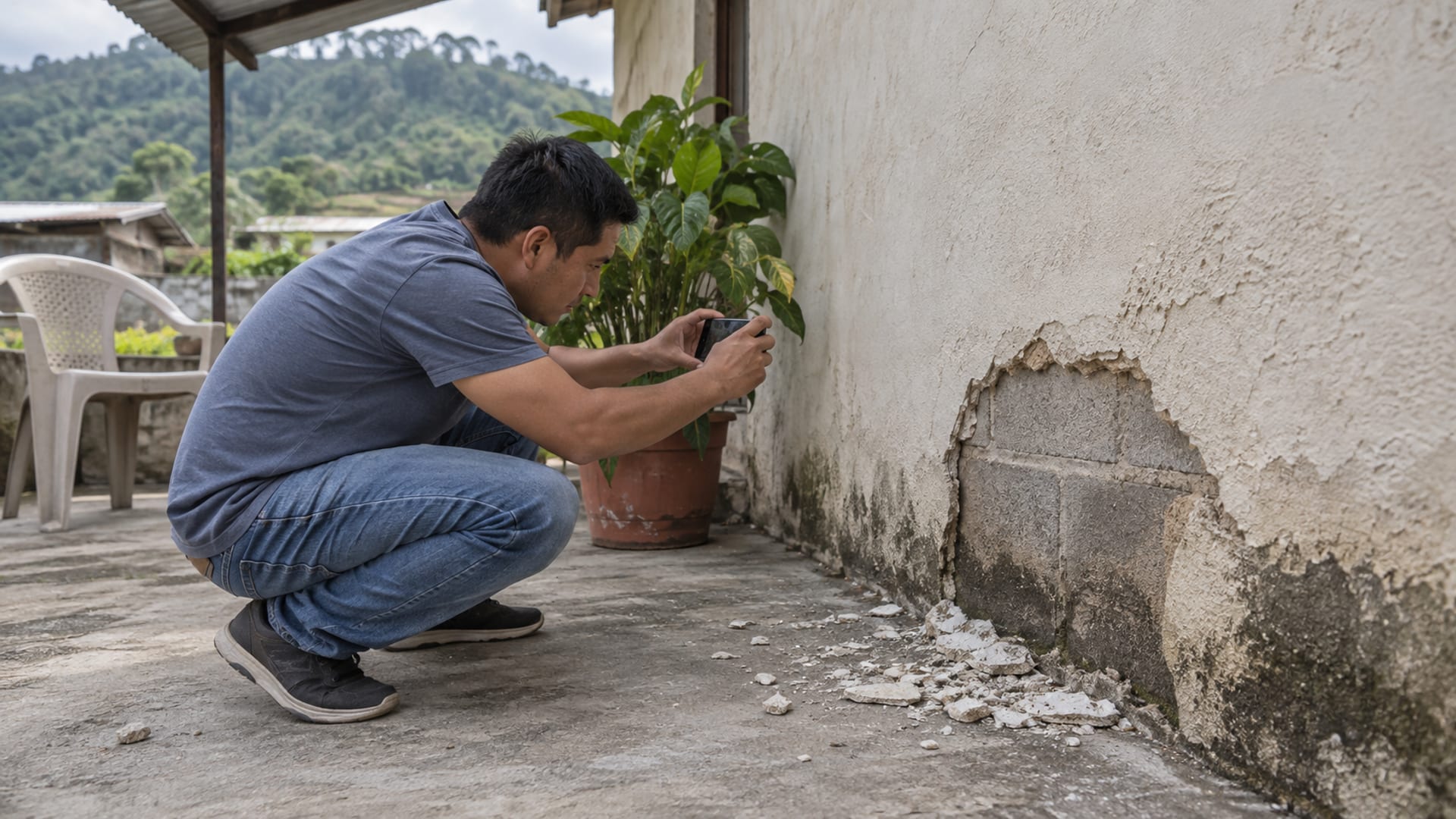
How to Request a Masonry Quote in Guatemala
A masonry quote in Guatemala should spell out materials, labor, rubble removal, dates, payment stages, and warranty. Review every line before you decide.
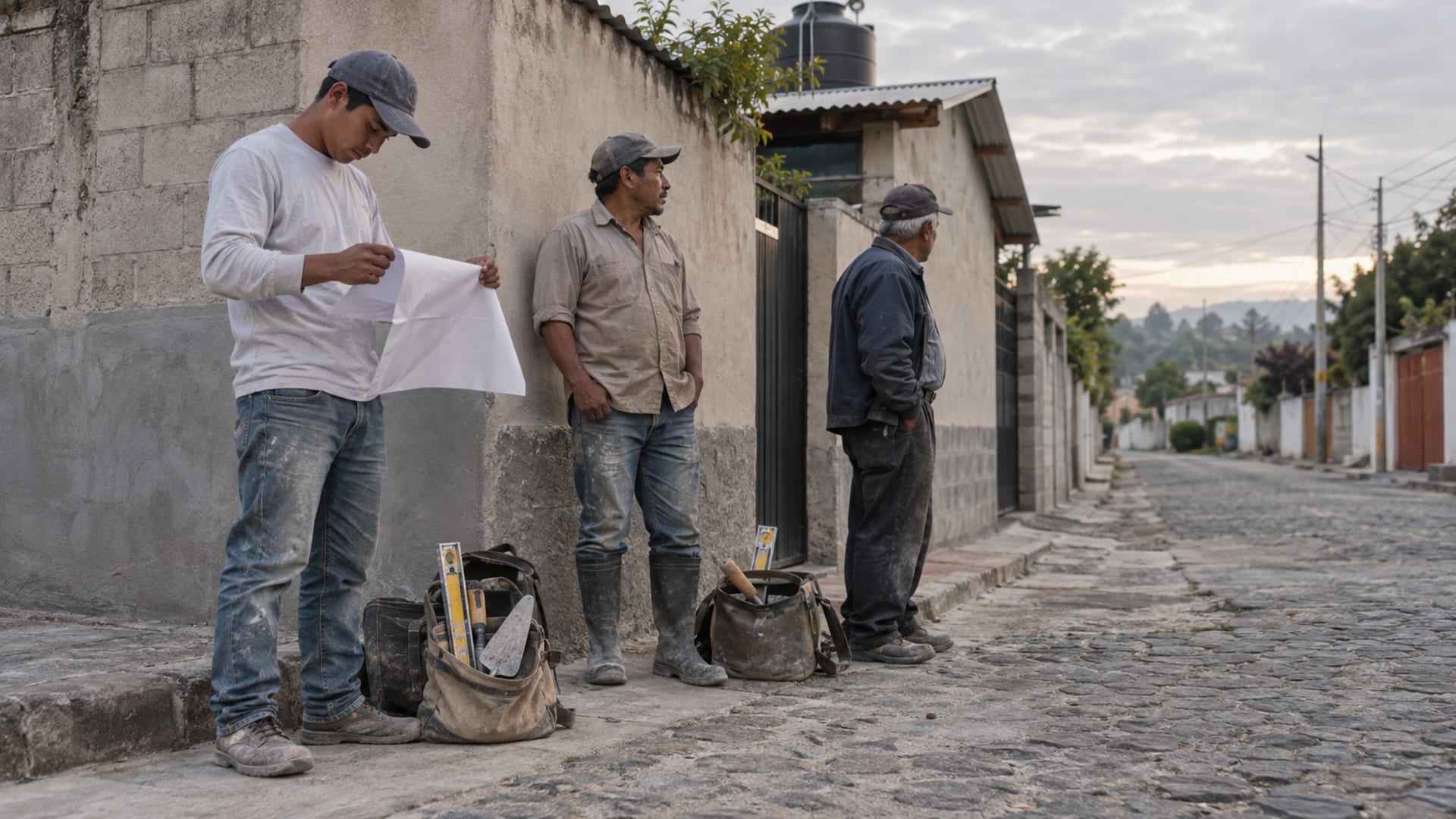
How much does a mason charge in Guatemala per day, per m² or per job
How much does a mason charge in Guatemala per day, per square meter or per job, and what a written quote should include: materials, helpers and payments.
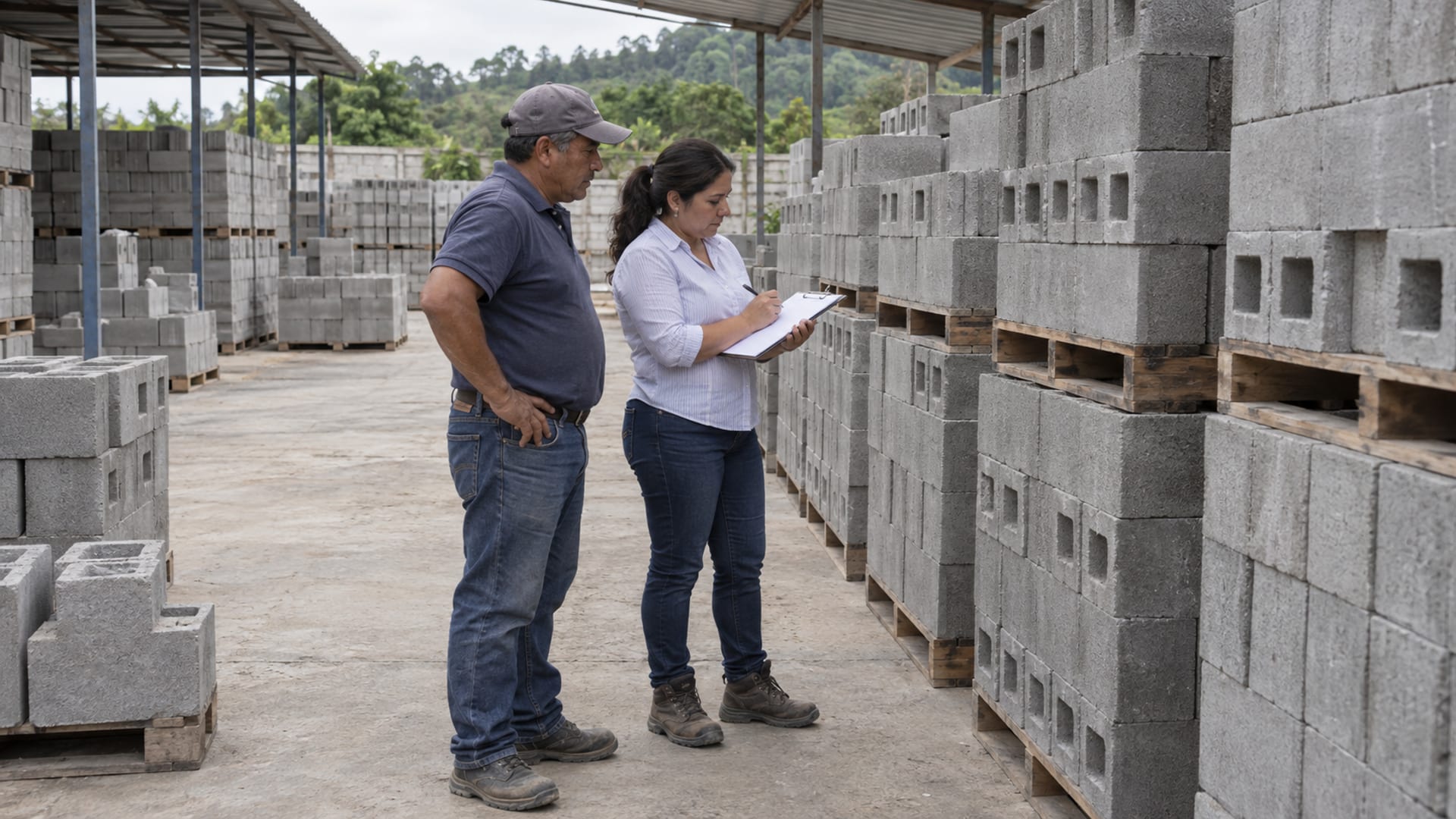
Block price in Guatemala and which size to order
Block price in Guatemala per unit or per thousand, with 14, 15 and 19 cm sizes, freight, invoice and how to check the delivery against the written quote.