Builder or Independent Mason: How to Choose for Your Project
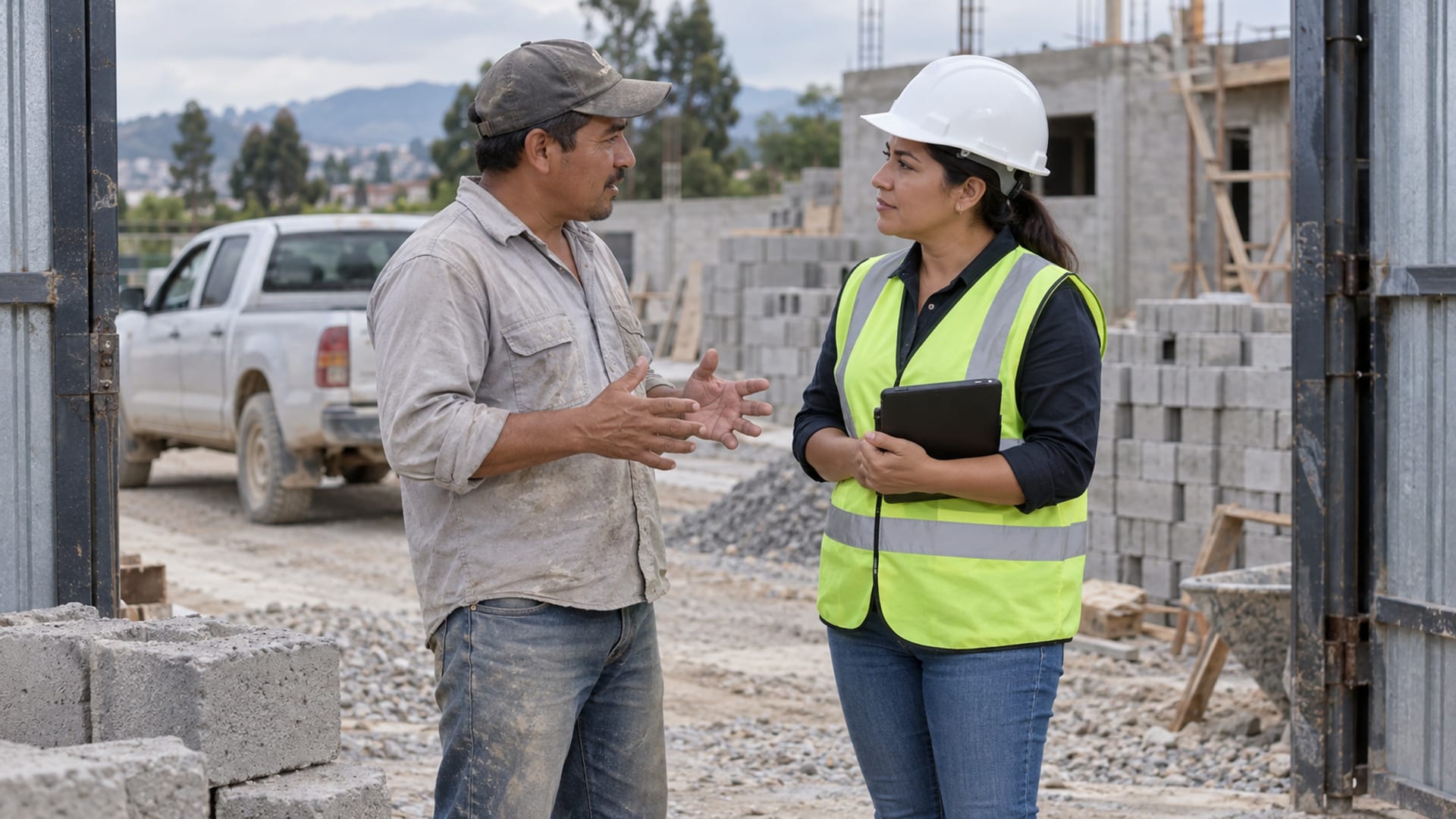
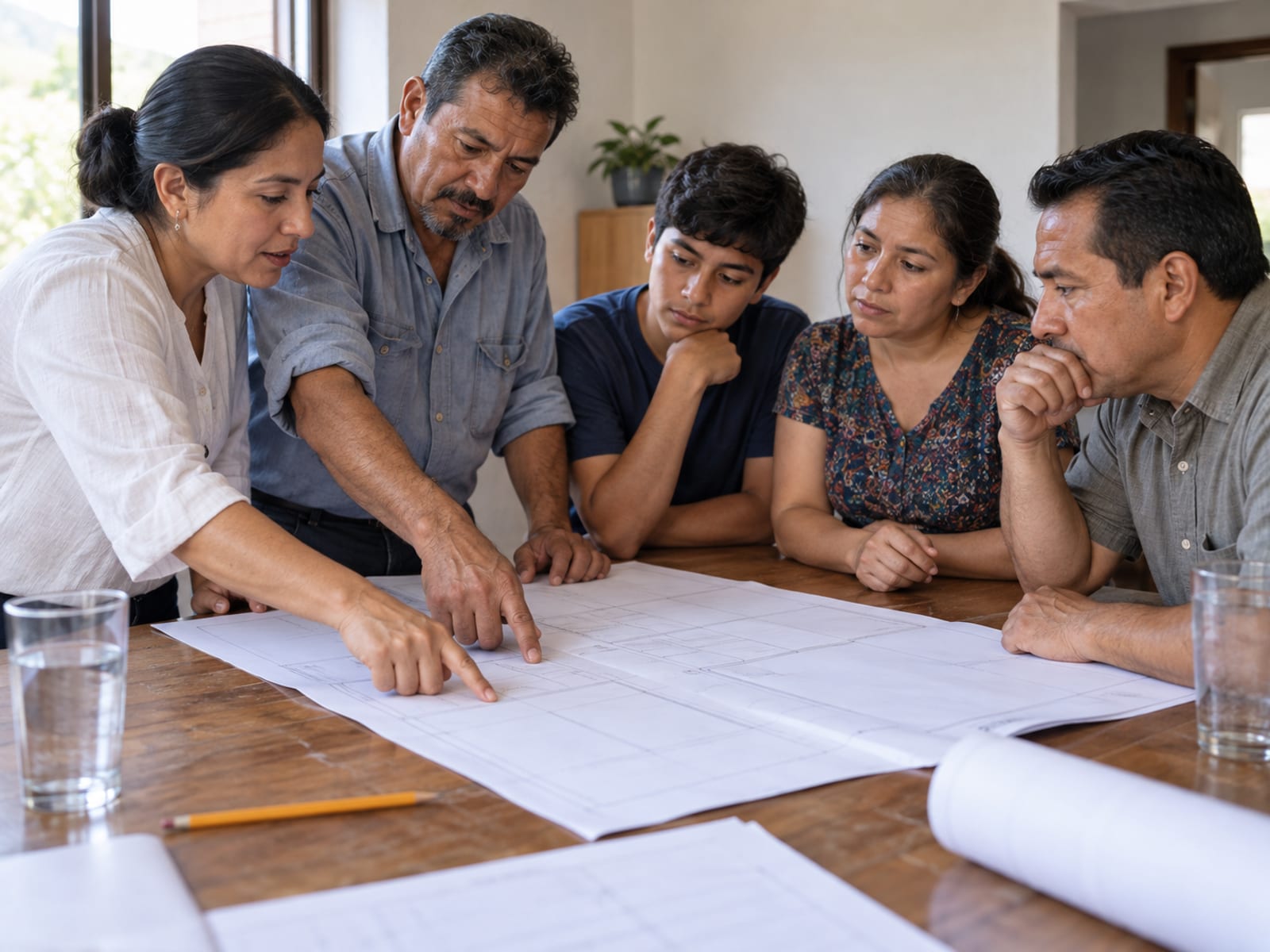
You are about to build, extend, or remodel, and you have two paths open. You can ask a construction company (constructora) for a complete proposal, or you can speak directly with a mason or a foreman (maestro de obras). The two quotes arrive with figures that do not look alike, and it is easy to think one is expensive and the other cheap when they actually cover different things. No single path suits every job. It depends on what you need, the size of the work, and how much you want to supervise yourself. Here you will see what each option usually includes, what figures builders and price guides publish today, who handles the permit, the drawings, and the helpers, and what to put in writing so that you can compare two proposals with the same scope.
Key takeaways
What is the difference between a builder and an independent mason?
The difference is not in the name but in what you receive and what is documented.
A mason (albañil) performs construction, masonry, plastering, or flooring work. A foreman (maestro de obras) usually leads a crew and coordinates the practical work. An independent contractor agrees directly with the owner to carry out a job, and may charge by the day, by unit, by stage, or by project. None of those titles by itself shows that the person designs the structure, handles a permit, is a registered professional, or formally employs all the helpers.
A builder (constructora) is a company that may offer construction, design, supervision, or project management, with an open or a fixed-price quote and payments by progress. DESA Constructora, for example, states on its website that it offers those services separately or combined, with written information for the client. That is the description of one company. What another builder includes is stated in its own proposal.
For that reason, whichever path you choose, separate five fields: labor, materials, design, permits, and supervision. If a quote mixes them into one number, ask for a breakdown before you compare.
What do builders and price guides publish?
The figures below are estimates and prices published on each date. They are not official rates or averages, and they measure different scopes, so do not add them together or mix them.
House Guatemala published on June 6, 2026 estimated ranges per square meter for building a house. These include materials and labor for gray work plus finishes, and exclude land, design, permits, and site development (urbanización). Camarounds published on October 25, 2025 estimates for independent labor in Guatemala, with a separate figure for a complete house.
Read the table carefully. A figure per day is not the same as a figure per built square meter, and a figure that includes materials does not resemble one for labor alone. Camarounds' own guide advises stating whether the price includes materials, cleanup, and transport. Among the factors the guides mention are the finish level, the height and access to the site, and the location and municipality, because the municipal permit varies by place and by square meters.
Who handles the permit, and who signs the drawings?
This is the question most worth settling before you ask for prices. The municipality responsible for the property determines the procedure, documents, fees, and signatures required. One municipality's rules are not national rules.
In Guatemala City, the Ventanilla Única (one-stop permit window) states that the applicant obtains the forms and requirements for the type of request, fills them in, attaches the documents, and submits the file for technical review. Guide 09-F, for single-family homes, extensions, and remodeling, asks for owner documentation and drawings with the signatures, seals, and stamps of professionals, and notes that the active status of the responsible professionals is checked. The POT regulations, article 80 define a building permit (licencia de obra) as the municipal authorization for work such as construction, extension, modification, and remodeling. Mixco has its own process. Its Municipal Planning Office (Dirección Municipal de Planificación) describes how files are received according to the type and surface area of the construction. For another municipality, check with your own municipality.
With that clear, the proposal should say who prepares each document, who signs it, and who submits it. A builder may include the preliminary design, the drawings, and the permit process within its service, but only if the proposal says so. With an independent mason, you will most likely need to hire the architect or engineer separately.
To confirm a professional, ask for their full name, profession, and registration number. The Guatemala College of Architects (Colegio de Arquitectos de Guatemala) offers a registry of members, and a membership status check shows whether a member appears as active or inactive. The Engineers' College (Colegio de Ingenieros) has a system to validate documents. Active registration identifies the person. It is not a recommendation or insurance.
Who is responsible for the helpers and for safety?
Here too, the answer depends on what is agreed. The IGSS states that every employer with one or more workers must register in the social security regime, without prejudice to the exceptions in its regulations. The specific relationship among the owner, the contractor, and the workers must be defined by the parties, and the obligations depend on the facts of each case.
What you can do is ask for the following in writing:
- Employer: who employs each helper or worker.
- Payments and records: who hires, pays, and records them, and who handles enrollment when it applies.
- Safety gear: who provides the helmet, boots, gloves, harness, and eye protection.
- Instructions: who gives the work orders and supervises the tasks.
- Incidents: who reports an accident or incident.
Also ask for the corresponding receipt. The SAT describes the FEL electronic invoicing regime. The obligation to issue an invoice depends on the provider's registration and tax regime, and an individual who is registered can also issue one. An invoice does not replace the written proposal. They are different documents.
Which is better for the size and scope of the job?
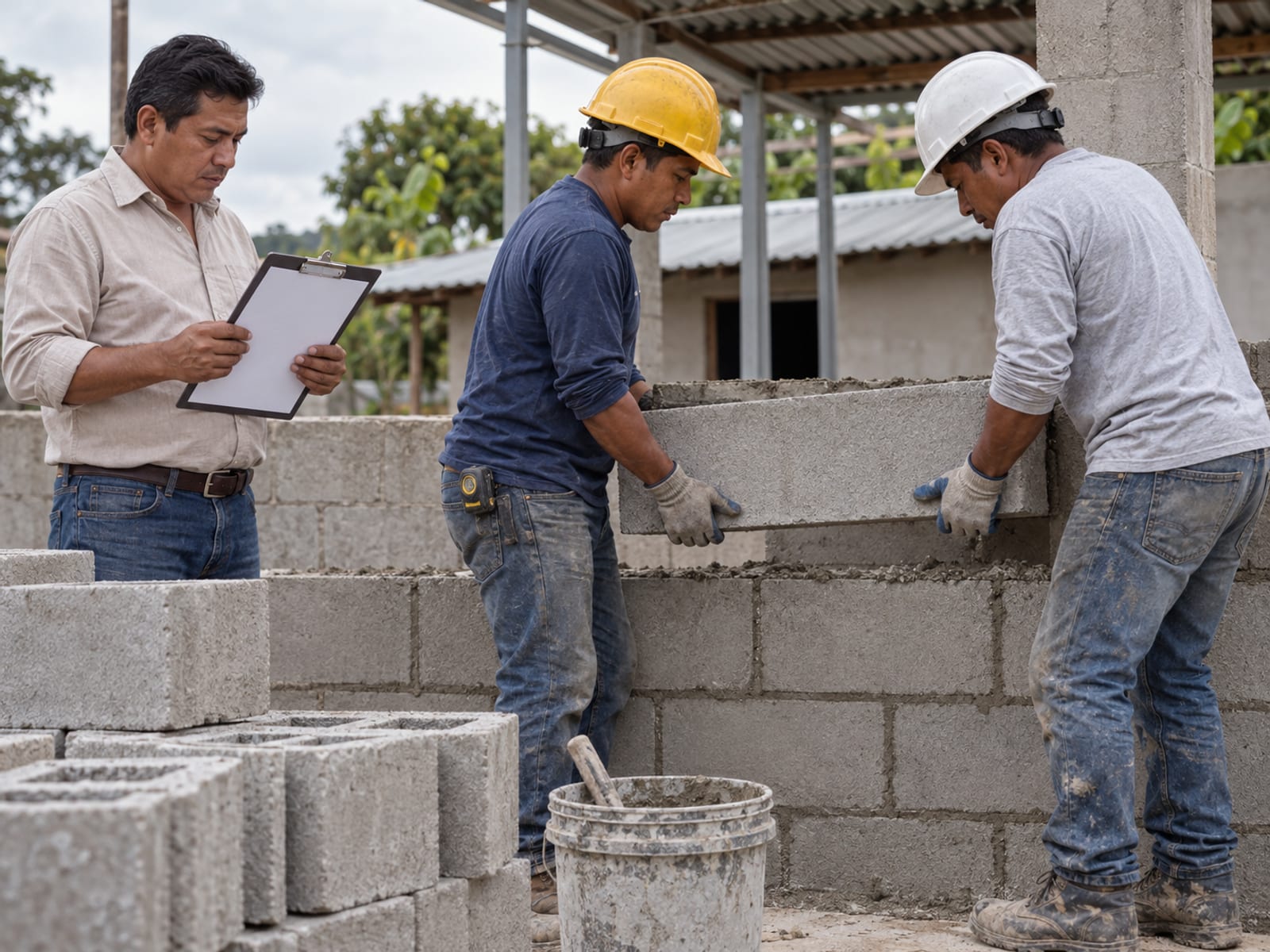
There is no single answer, but there are criteria to help you decide for your case.
The table does not name a winner, and it does not try to. A person who lives outside Guatemala and cannot visit the site may value receiving written progress updates. Someone who lives nearby and knows a foreman may prefer to buy the materials and check the work every week. What matters is that the decision comes from what each proposal states in writing, and from how much time and attention you can give, not from the title printed on the card of whoever is quoting. If you are unsure, ask both for the same list of questions and compare the answers calmly.
If the work affects load-bearing walls, columns, slabs, or foundations, a competent professional defines the structural design, whichever path you choose. Questions about contract interpretation or liability in a dispute require individual legal advice.
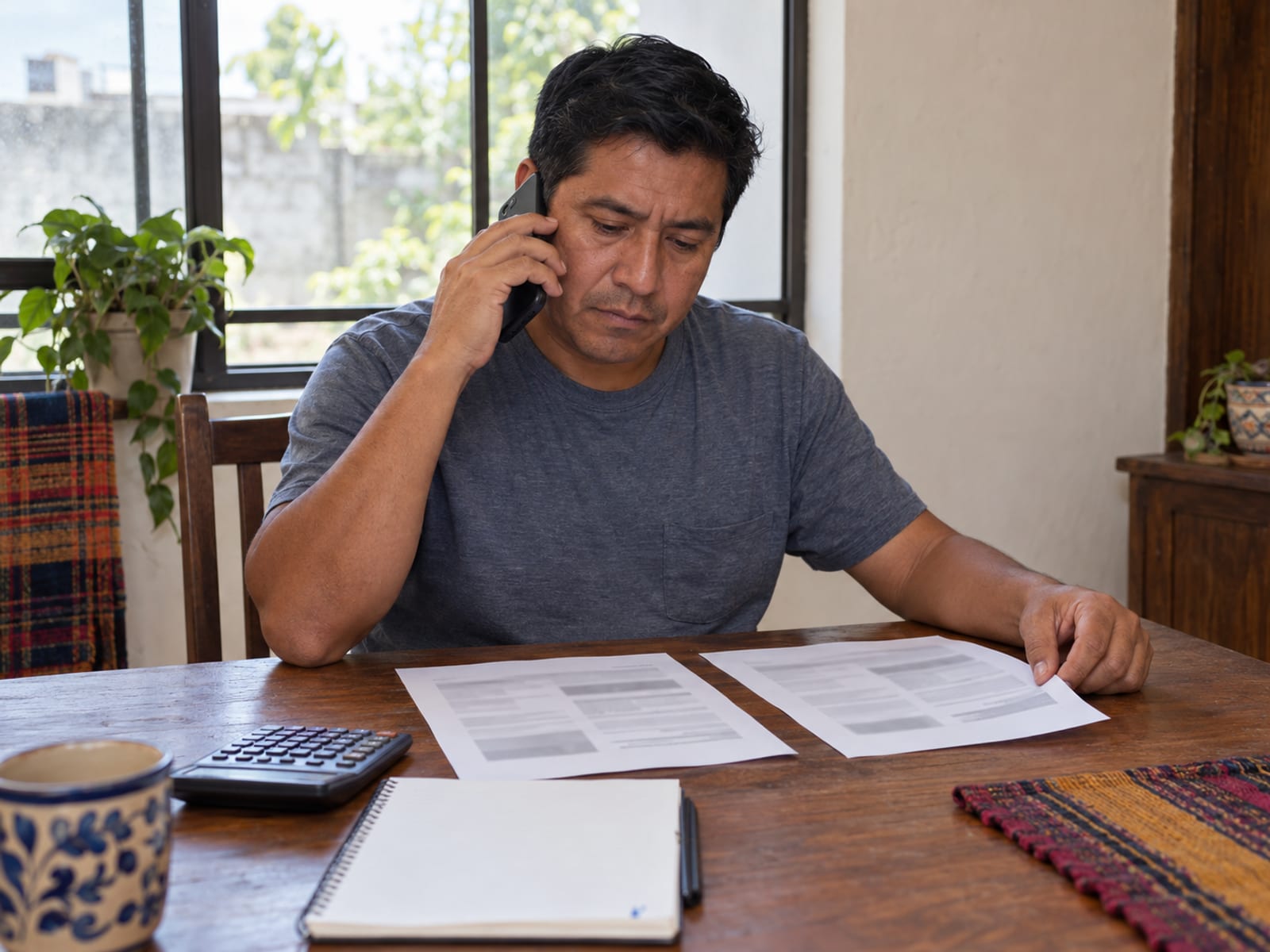
What should be in writing before you pay a deposit?
The Consumer Protection and User Law (Ley de Protección al Consumidor y Usuario) states that service providers must honor the deadlines, conditions, and guarantees under which they offered or agreed to the service, and that the provider must state in writing the period for which it backs the service. With that in mind, the proposal or contract should include the points on this list.
If a consumer dispute arises, keep the proposal, the payments, and the messages, and consult DIACO through its official channels.
Frequently asked questions about builder or independent mason
Does a builder always include design and permits?
Not necessarily. Builders may offer design, advice, supervision, management, or construction separately. Read the proposal and ask that each service be listed as included or excluded.
Can an independent mason charge by the day or per square meter?
Yes. Camarounds presents both methods. The price alone does not show whether it includes materials, transport, tools, or cleanup, so ask for a written description of the unit and of what is included.
What should I ask for before I pay a deposit?
A proposal or contract that covers the scope, price, dates, payments, exclusions, responsible people, the procedure for changes, and the warranty period, plus the tax document that corresponds to the payment.
Who should handle the construction permit?
The responsible municipality sets the procedure. The owner may authorize an agent (gestor), but the proposal must state who prepares, signs, and submits each document.
How do I confirm that the architect or engineer is registered?
Ask for the full name, profession, and registration number, and check the directory or the status with the corresponding college. The check should match the person who will sign or supervise the work.
Should the warranty appear in writing?
Yes. The law states that the provider must indicate in writing the period for which it backs the service. Ask that the proposal state the period, what it covers, what it excludes, and how to file a claim.
How to use this information in your decision
A builder and an independent mason are two valid ways to carry out a job, and each suits a different scope, size, and the time you want to spend supervising. Before you ask for prices, define the scope, the municipality, who designs and signs, who buys the materials, and who is responsible for the helpers. With those answers in writing, two proposals can be read the same way.
That clarity saves you surprises once the work has started, because every change has a document to return to and every payment has its receipt.
At Albañiles Guate we help people in Guatemala find and contact masons, builders, and related construction trades by service and by location. You can browse the builders directory or the masons directory to find who to ask for proposals, or write to us from the contact page if you have a project in mind.
Related guides
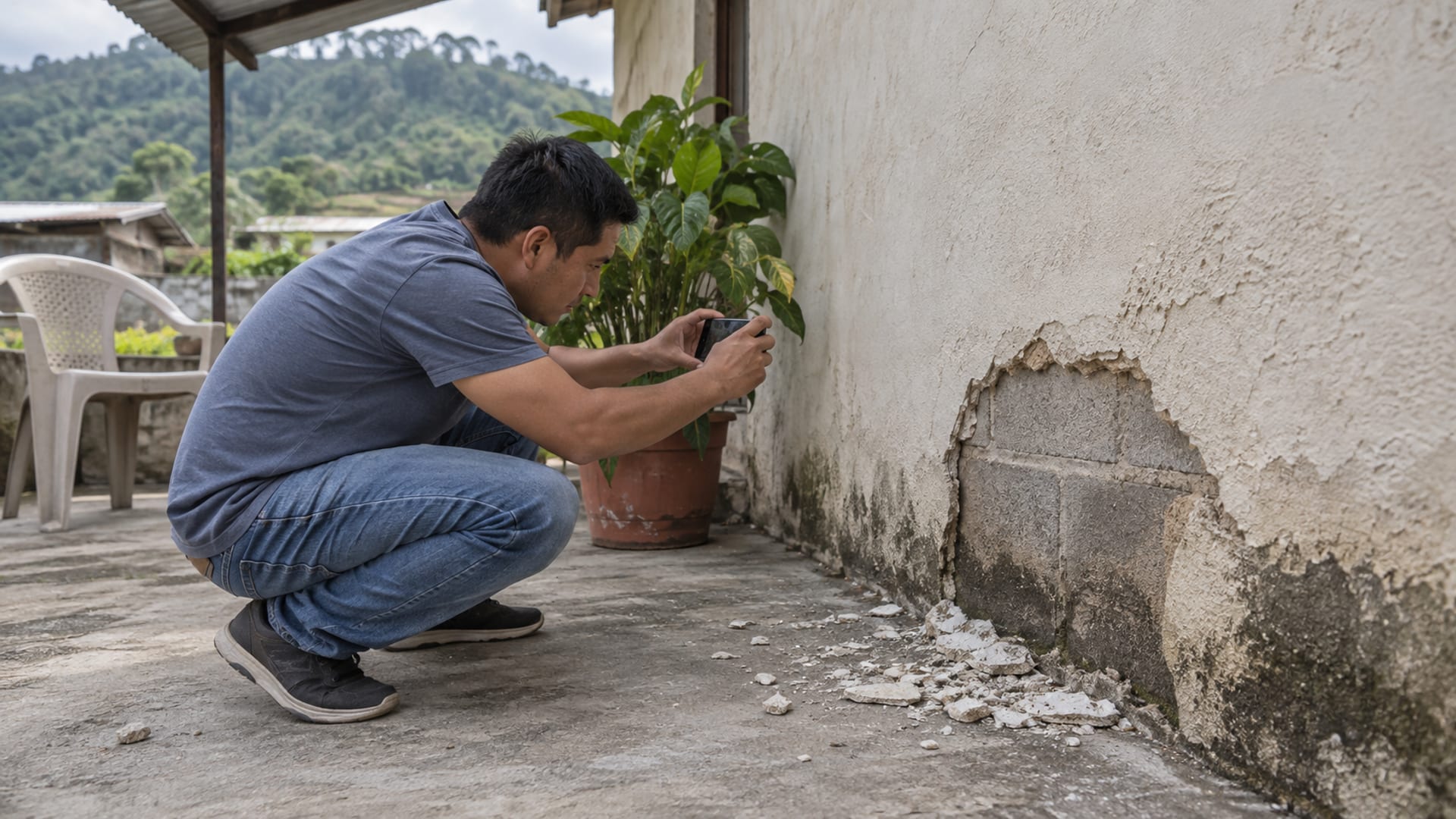
How to Request a Masonry Quote in Guatemala
A masonry quote in Guatemala should spell out materials, labor, rubble removal, dates, payment stages, and warranty. Review every line before you decide.
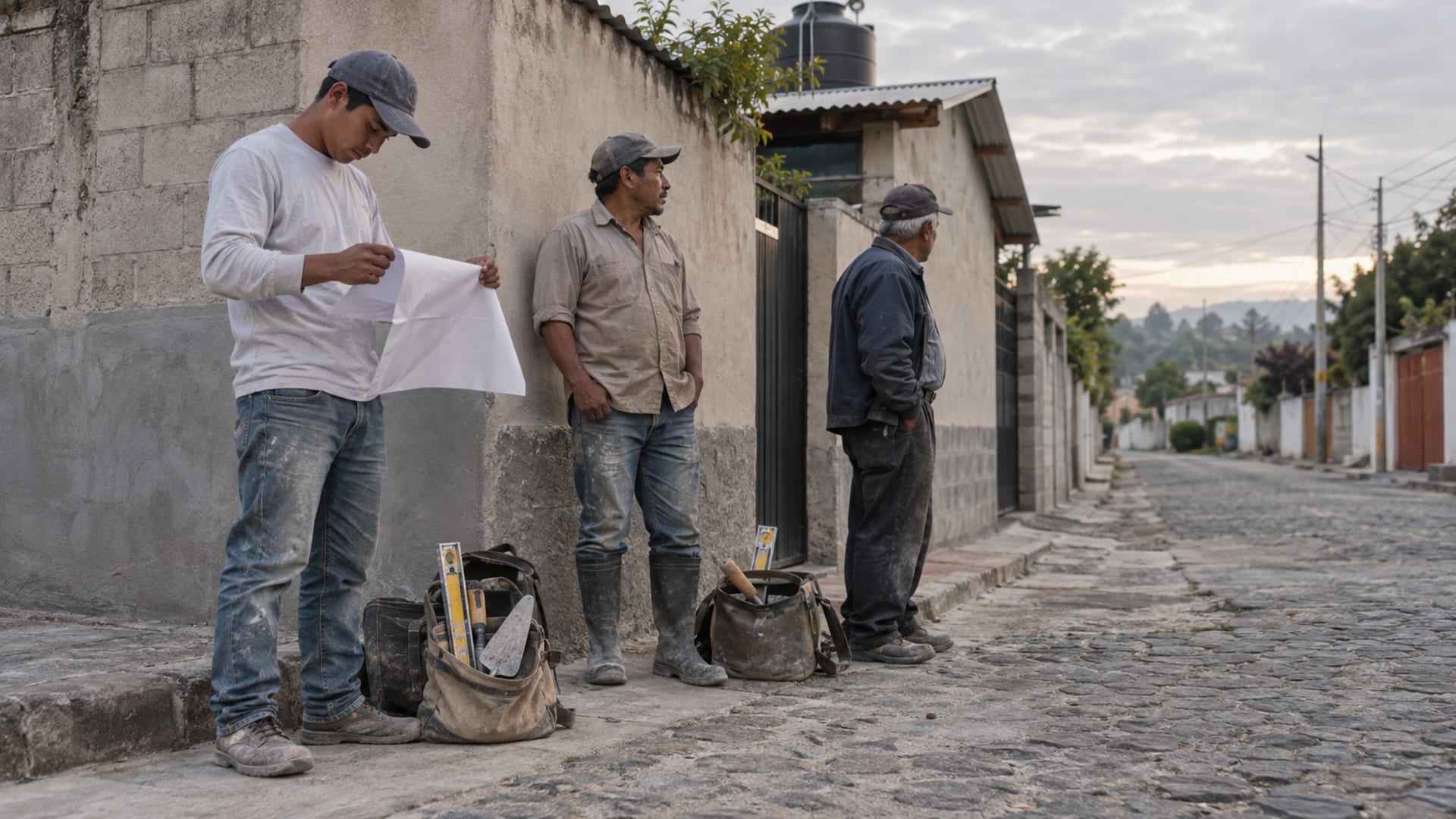
How much does a mason charge in Guatemala per day, per m² or per job
How much does a mason charge in Guatemala per day, per square meter or per job, and what a written quote should include: materials, helpers and payments.
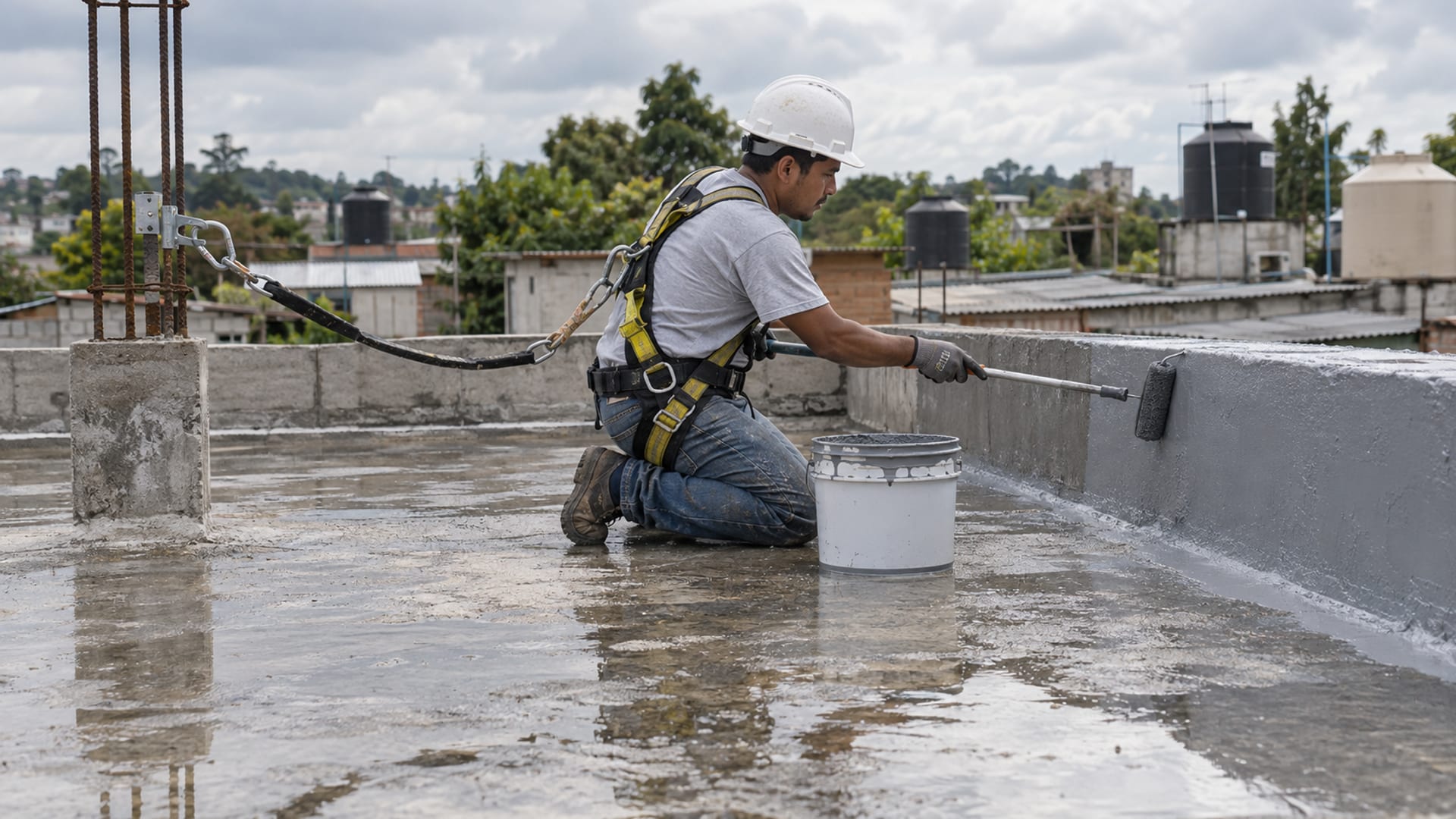
Leaks in a concrete slab roof: what to do now
Leaks in a concrete slab roof: why water gets in, which waterproofing suits concrete, when to call an engineer, and what to get in writing before paying.