Construction Permits in Guatemala City: How to Apply
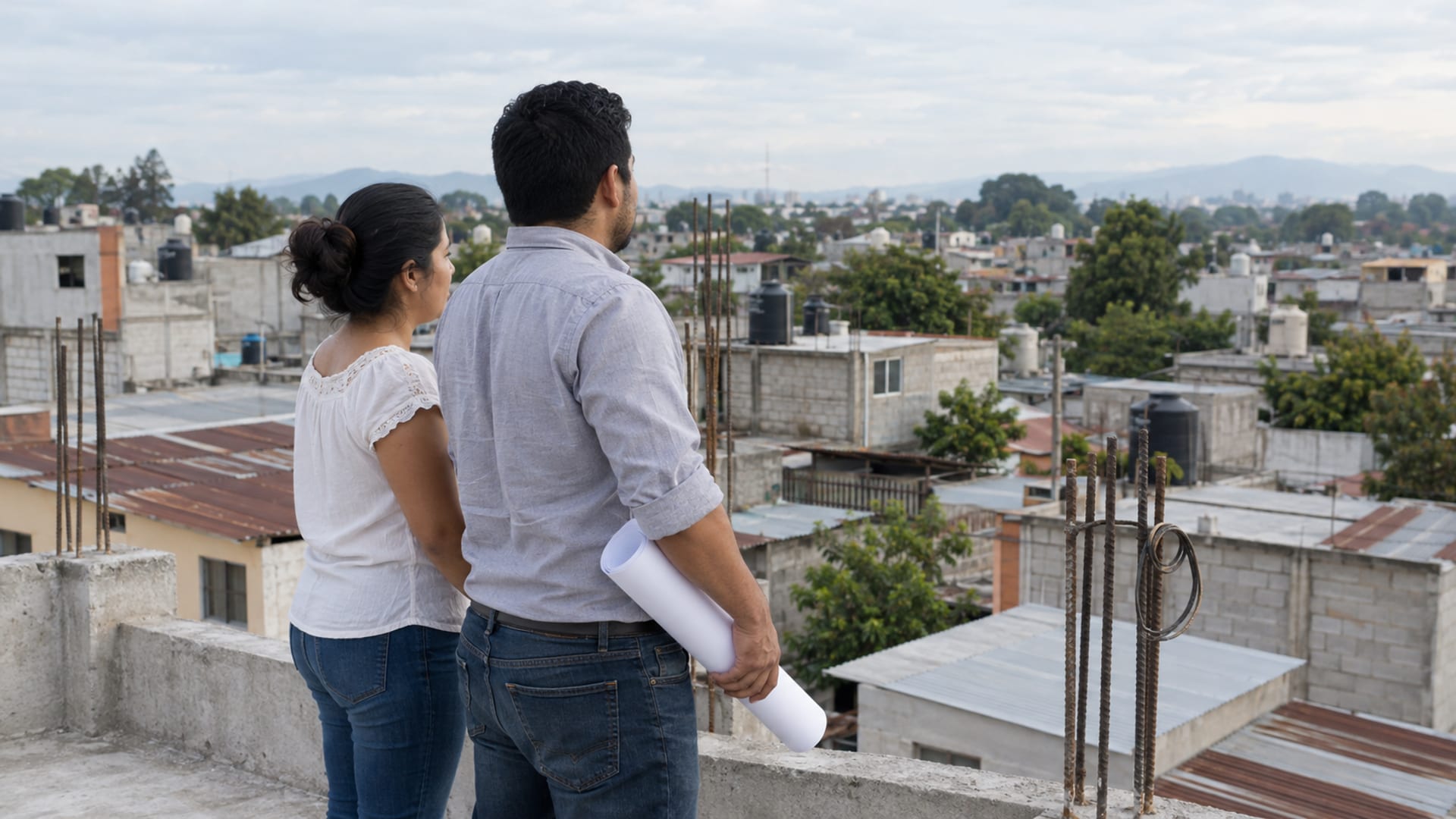
You already know what you want to do: build a room, remodel the kitchen, tear down an old wall, or change the use of a shop. What is not clear is where to start, which form you need, and which papers to bring so they are not sent back to you. When the property is inside the Municipality of Guatemala, the construction permit process runs through the municipality's Ventanilla Única (One-Stop Window). There you get the form for your type of request, file the application and, if it meets the requirements, receive a receipt code (contraseña de recepción) to follow it. With the property details ready, the process is more orderly than it looks.
Key takeaways
Am I in the right municipality, and what kind of work am I doing?
This guide describes the procedure of the Municipality of Guatemala. It is not a national rule, and it does not apply automatically to Mixco, Villa Nueva or any other municipality, because each municipality has its own requirements. If your property is in another municipality, the capital's One-Stop Window is not the office that applies.
Once the municipality is confirmed, identify the type of work. Article 61 of the Territorial Planning Plan (Plan de Ordenamiento Territorial, POT) separates the types of permit: demolition, earthworks and excavations, urbanization, minor construction (up to thirty square meters), major construction (more than thirty square meters), and structures. Article 80 defines the construction permit (licencia de obra) as municipal authorization for works that include demolition, earthworks, excavations, foundations, construction, reconstruction, expansion, modification, reform and remodeling, as well as any intervention that changes functional, environmental, structural or safety characteristics.
Does a small remodel need a permit?
It depends on what you plan to do. The POT's frequently asked questions about permits give these as examples of light modifications: repairs, plaster work, painting, replacing roof sheets, and opening doors, as long as the usable or rentable area is not expanded. Those light modifications fall outside the construction permit. If the work instead expands the area up to thirty square meters, a minor construction permit applies, according to the explanation the POT publishes.
One warning is necessary: if the work touches structural elements, the light-modification exception does not apply. When in doubt, ask at the One-Stop Window before you start. It is faster to ask than to correct work that is already built.
What steps do I follow at the One-Stop Window?
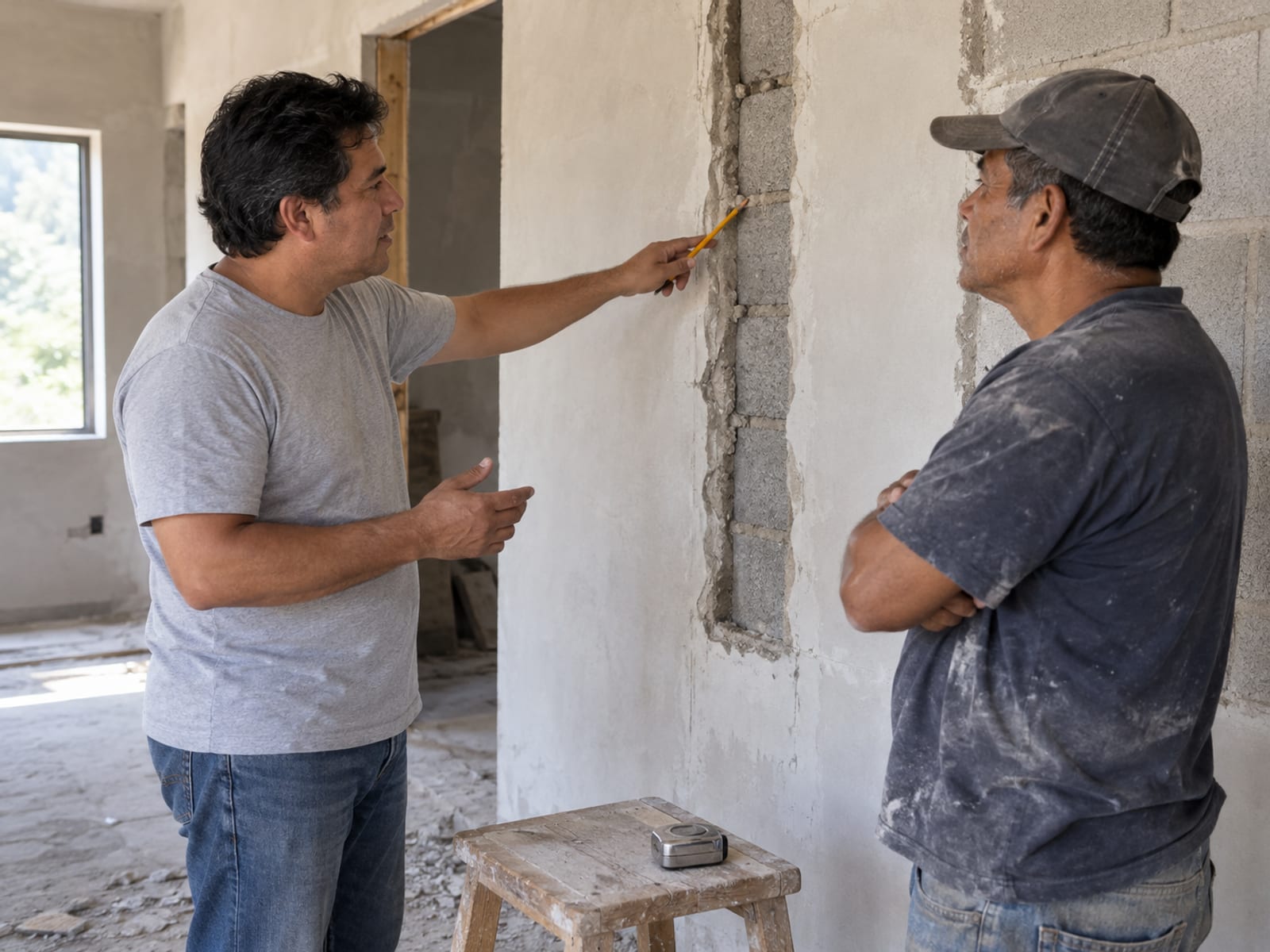
The One-Stop Window is part of the Territorial Control Directorate (Dirección de Control Territorial, DCT) of the Municipality of Guatemala. The DCT applies the territorial planning rules and handles requests related to urbanization in the municipality. The published procedure follows this order:
The walk-in office is at 21 Calle 6-77, Zone 1, Centro Cívico, Palacio Municipal. The portal also offers forms and regulations online. To find the office or confirm its hours before you go, call the call center at 1551 or the municipal switchboard, PBX, at 2285-8000. The One-Stop Window's email is ventanillaunica@muniguate.com.
Which form applies to me?
The portal separates forms for housing, light modifications, extensions, feasibility and other cases. The forms and regulations page lists, among others, forms F02, F04, F08, F09, F10 and F11. For example, F08 applies to single-family homes up to 700 m², to extensions and remodels of single-family homes up to 700 m², and to subdivisions of up to four lots. That same page excludes projects in the Historic Center, the Historic Ensemble, the buffer zone, and land-use changes.
The exact list of requirements depends on the type of work and the characteristics of the project. The Municipality also publishes requirements for EMPAGUA (the city's water utility), environment, fire department, heritage and other offices. Its page on requirements for the construction permit notes that, for some procedures, a payment order may be requested when the application is filed. Ask at the One-Stop Window which form and which additional reviews apply to your work.
Which property details should I have ready?
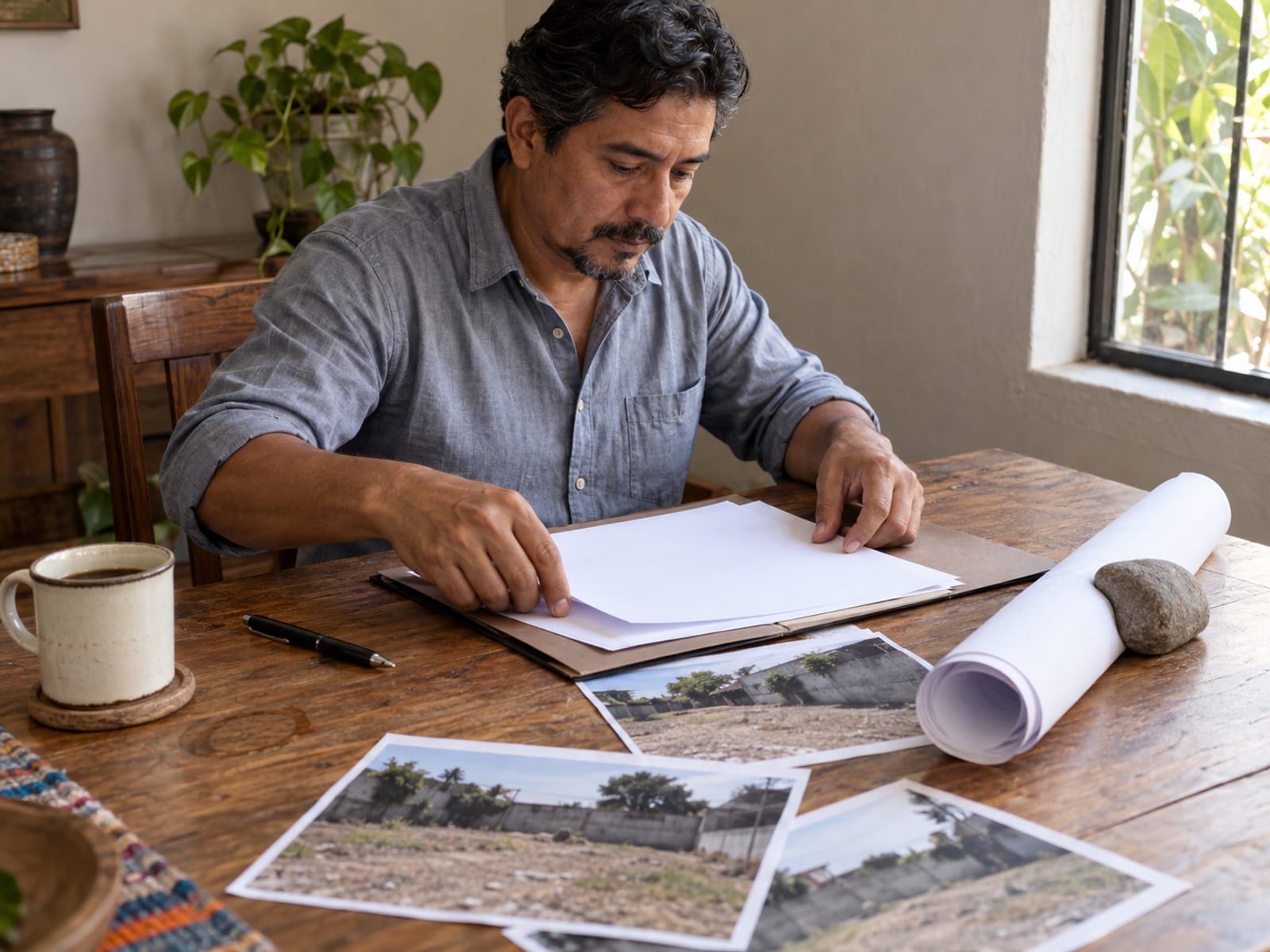
For projects reviewed in a multi-agency or 360° meeting, the Municipality's requirements guide lists the information requested. Even if your work is simpler, having these details at hand saves trips back and forth:
- Owner: name, phone and email.
- Property: exact address, finca, folio, libro and registry number (matrícula).
- Applicant: name, phone and email.
- Project: commercial name, company or developer, location, property characteristics and existing uses.
- Description of the work: type of work, square meters, height, uses and square meters per use, basements, levels, housing units, shops, offices, parking and complementary works.
- Other details where they apply: description of the slope stabilization system and location of the permeable areas.
For those meetings, a digital presentation in PDF or PowerPoint and digital plans in DWG version 2004, with no external references, are also requested. The plans should cover location, site location, site layout, architecture, elevations and sections. The professional responsible for the project prepares the plans and technical documents. If you need one, search the builders directory to compare contact options.
How do I know what the POT allows on my lot?
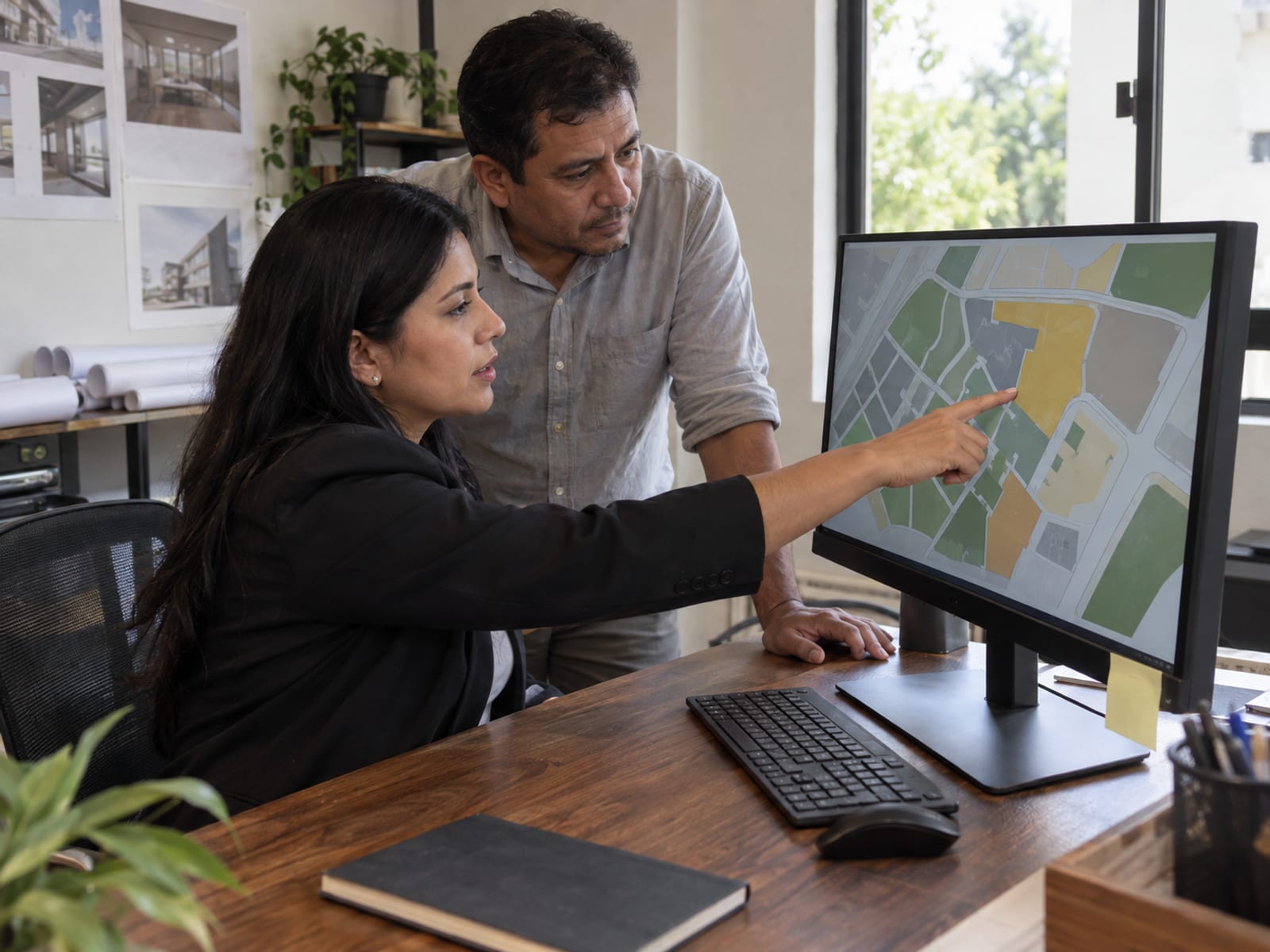
The POT classifies the municipal territory into six general zones, G0 to G5. Each zone has parameters for subdivision, works and land use, such as lot frontage, maximum height and permitted uses. According to the POT map layers guide, the map assigns a general zone to each lot and shows the primary road system, special zones, municipal districts, and civil aviation height restrictions. Limits may also apply because of residential areas, a special regime, the airport, or local plans.
To review your property, use the POT Map and then the parameters table for your zone. The technical FAQ and article 30 describe the general zones. If you want to know before filing whether a proposal is feasible, the POT provides for feasibility reports. The general report requires the location of the lot and the architectural plans. The specific report adds a descriptive memo of parameters and other municipal requirements. The DCT decides how the rules apply to your application.
How much does a permit cost, and how long is it valid?
The cost depends on the type of permit, the surface area, the structure, the use and the municipal services that apply, so confirm it at the One-Stop Window before you pay. The forms and regulations portal publishes the agreements that set costs and fees. Acuerdo COM-012-04 (municipal agreement of 14 June 2004) sets costs per square meter of construction and fees for construction permits. Acuerdo COM-015-2004 (13 August 2004) covers costs for structures founded below ground. Acuerdo COM-04-2024 (1 February 2024) creates fees for regularizing irregular subdivisions, modifying approved permits, feasibility reports, and reproducing and certifying information. The portal also offers online payments.
The validity period is set by article 86 of the POT:
An extension must be requested within the fifteen business days before the permit expires, and it may be granted for up to the same period originally given. Article 85 also makes the permit conditional on the DCT having access to the work during construction and before it issues the certificate of conforming work (constancia de obra conforme).
How do I check the status of my application?
If the application meets the requirements, the One-Stop Window enters the data into the system and issues a receipt code. Keep that paper. The Municipality also publishes the web case lookup, which asks for the case number and PIN. If the Municipality asks for corrections or additional requirements, address them and keep a copy of what you hand in.
What happens if I build without a permit?
The POT provides for a temporary suspension of work when the responsible party does not have a valid permit or did not obtain one within the set deadline (article 124). The suspension can stay in place until the violation ends, and the permit issued can be canceled. Article 125 allows total or partial demolition when the work does not comply and cannot comply with the rules, when it poses a danger to occupants or users, or when there is irreparable damage or obvious danger to neighbors and passersby.
Fines may be imposed together with the suspension or the demolition. Under article 131, paying a fine does not release you from paying the permit fees or from repairing damage. Article 133 sets reduction rules when the situation is regularized, including a reduction to the equivalent of twenty percent of the permit amount in certain cases. These rules do not determine the result of any particular case. The Municipal Affairs Court (Juzgado de Asuntos Municipales) and the POT regime apply.
Frequently asked questions about construction permits in Guatemala City
Where do I start a construction permit in Guatemala City?
At the One-Stop Window of the Municipality of Guatemala, at 21 Calle 6-77, Zone 1, Centro Cívico, Palacio Municipal. There you get the form and the requirements for your type of request. The portal of the Territorial Control Directorate offers forms, regulations, the POT Map, payments and case lookup.
What documents do I need to apply?
The list depends on the type of work. As initial information, prepare the exact address, finca, folio, libro, matrícula, owner and applicant details, a project description, square meters, height, uses, levels and complementary works. Confirm with the One-Stop Window the list that applies to your application.
Do I need a permit for a small remodel?
Light modifications, such as repairs, plastering, painting, replacing roof sheets and opening doors, do not need a construction permit when they do not expand the usable or rentable area. If the expansion reaches thirty square meters, a minor construction permit applies.
How do I check what the POT allows on my property?
Use the POT Map to identify the general zone and special conditions of the lot, then review the matching parameters table. You can also request feasibility reports with the location and plans required.
How do I check the status of my application?
Use the receipt code the One-Stop Window issues and the web case lookup, which asks for the case number and PIN.
How long does a construction permit last?
One year for demolition, excavations and minor construction; up to two years for urbanization and major construction; and up to four years when the DCT authorizes a longer period. Extensions must be requested within the fifteen business days before expiration.
Arrive at the One-Stop Window with everything in order
Confirm that your property is in the Municipality of Guatemala, identify the type of work, check the POT Map, and ask the One-Stop Window for the form that applies. Bring the owner, applicant, property and project details, file the application, and keep the receipt code, case number and PIN. With those you can follow your application without depending on phone calls.
Once the permit is issued, check its validity period and schedule an extension if the work will take longer.
At Albañiles Guate we are a bilingual directory in Guatemala that helps people find and contact masons, builders and construction trades by service and location. We do not recommend, rank, license or insure the businesses listed, so confirm directly with each one what you need. Once you have your permit or know which procedure applies, write to us through the contact page and we will help you find masons for your project.
Related guides
Construction Permits in Guatemala: Requirements and Cost
Construction permits in Guatemala: which works need one, what documents to gather, what the municipality charges, and which other permits may also apply.
Construction Permits in Mixco: Steps and Online Lookup
Construction permits in Mixco: gather plans, property papers and a registered professional's signature, file your application and check the status online.
How to Request a Masonry Quote in Guatemala
A masonry quote in Guatemala should spell out materials, labor, rubble removal, dates, payment stages, and warranty. Review every line before you decide.