Construction Permits in Guatemala: Requirements and Cost
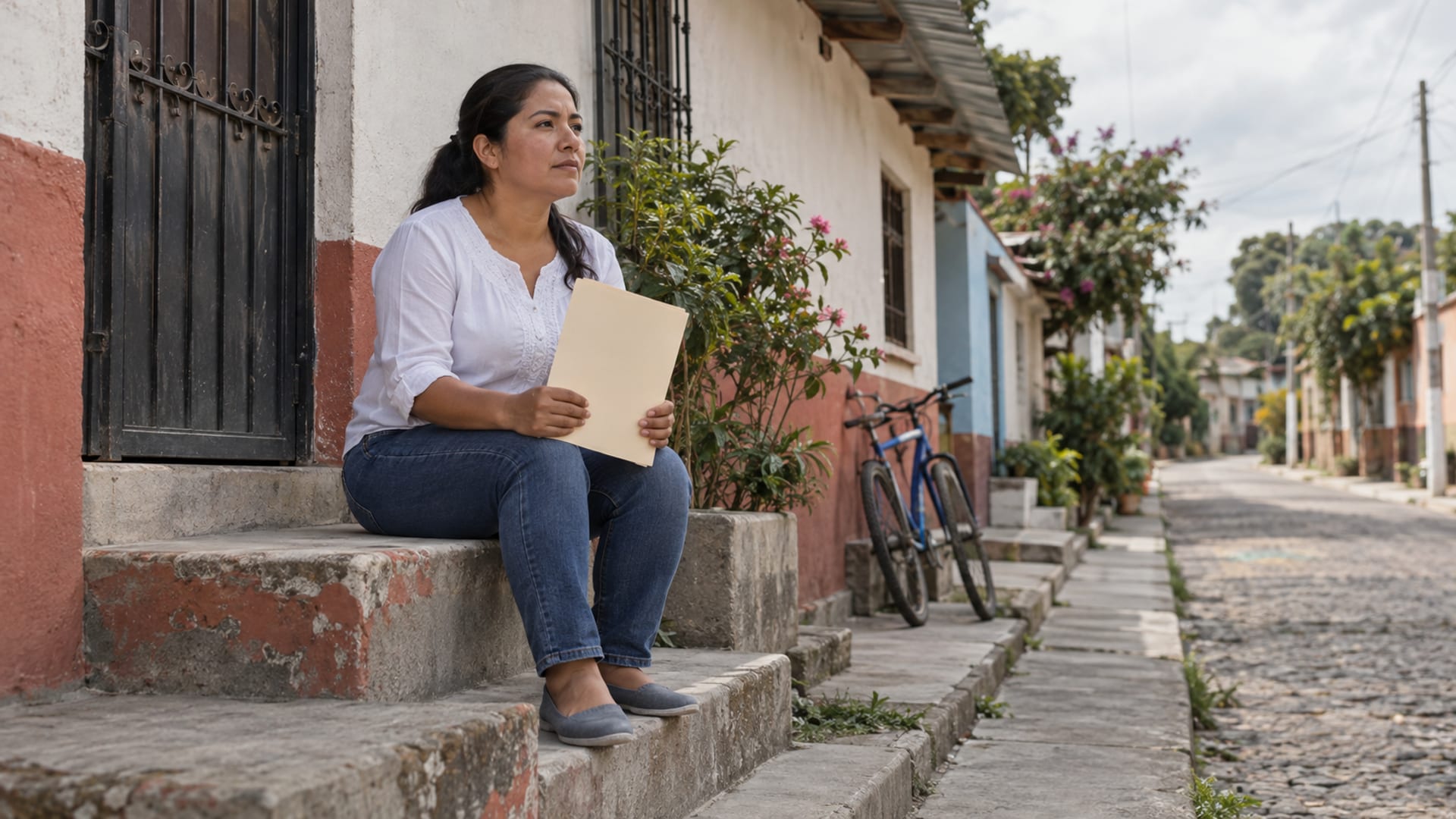
Maybe you just bought a lot, want to add a second floor, or received a notice from the municipality that you did not expect. Before you hire anyone, the main questions are whether your project needs a permit, what they will ask you for, and how much you will pay. The short answer is that the permit is issued by the municipality where the property is, so the first step is to confirm which one applies. Each municipality sets its own requirements, forms and fees, and these can change. Here you will find how to identify your municipality, which documents are usually requested, how costs are calculated, and what to ask before you start.
Key takeaways
Who issues the permit, and how do I know which municipality is mine?
Article 68 of the Municipal Code gives each municipality authority to approve construction permits for public or private works within its territory. For urbanizations, subdivisions (lotificaciones) and urban or rural developments, article 147 also requires a municipal permit.
The responsible municipality is the one for the district where the lot is located, not necessarily the nearest city or the owner's home. To confirm it, check the exact address of the property, look at the IUSI property tax receipt or the cadastre (property register), and ask the municipality associated with the lot. If you still have doubts, request the confirmation in writing.
That jurisdiction rule does not make one municipality's procedure a rule for the whole country. Requirements, exemptions, forms, fees and penalties can vary from one municipality to another. In this guide, Guatemala City and Mixco appear only as examples of how two municipalities publish their rules.
Which works need a permit?
It depends on each municipality's rules. As an example, article 80 of the POT (Territorial Planning Plan) of Guatemala City defines the construction permit (licencia de obra) as municipal authorization for interventions that include demolition and tearing down, earthworks, excavations, cuts and fills, paving, layout, trenching and foundations, construction and building, reconstruction and casting, expansion, modification, reform and remodeling, construction of cisterns, urbanization works, advertising structures, and other interventions that change functional, environmental, structural or safety characteristics. It also distinguishes minor construction, for works under 30 m², from major construction, for works over 30 m².
In that same municipality, article 81 defines as light modifications the light works such as plastering and fine finishing, ceiling repairs, painting, moldings, opening pedestrian doors, gates for single-family homes, windows, grilles and balconies, and roof repairs and sheet-for-sheet roof replacement up to 30 m². The POT's frequently asked questions state that these do not need a construction permit when they do not expand the usable or rentable area. That exception does not apply to cultural heritage properties or historic areas, where even those modifications require a permit.
Mixco's case is different. Its construction and urban planning regulation broadly states that any construction, excavation, leveling, expansion, modification, repair, demolition and other work that changes the property's environment or public roads requires a prior permit. The capital's light-modification exception should not be applied on its own to another municipality. If your work is unclear, ask at the permit office of your municipality before you start.
Which documents will they ask for?
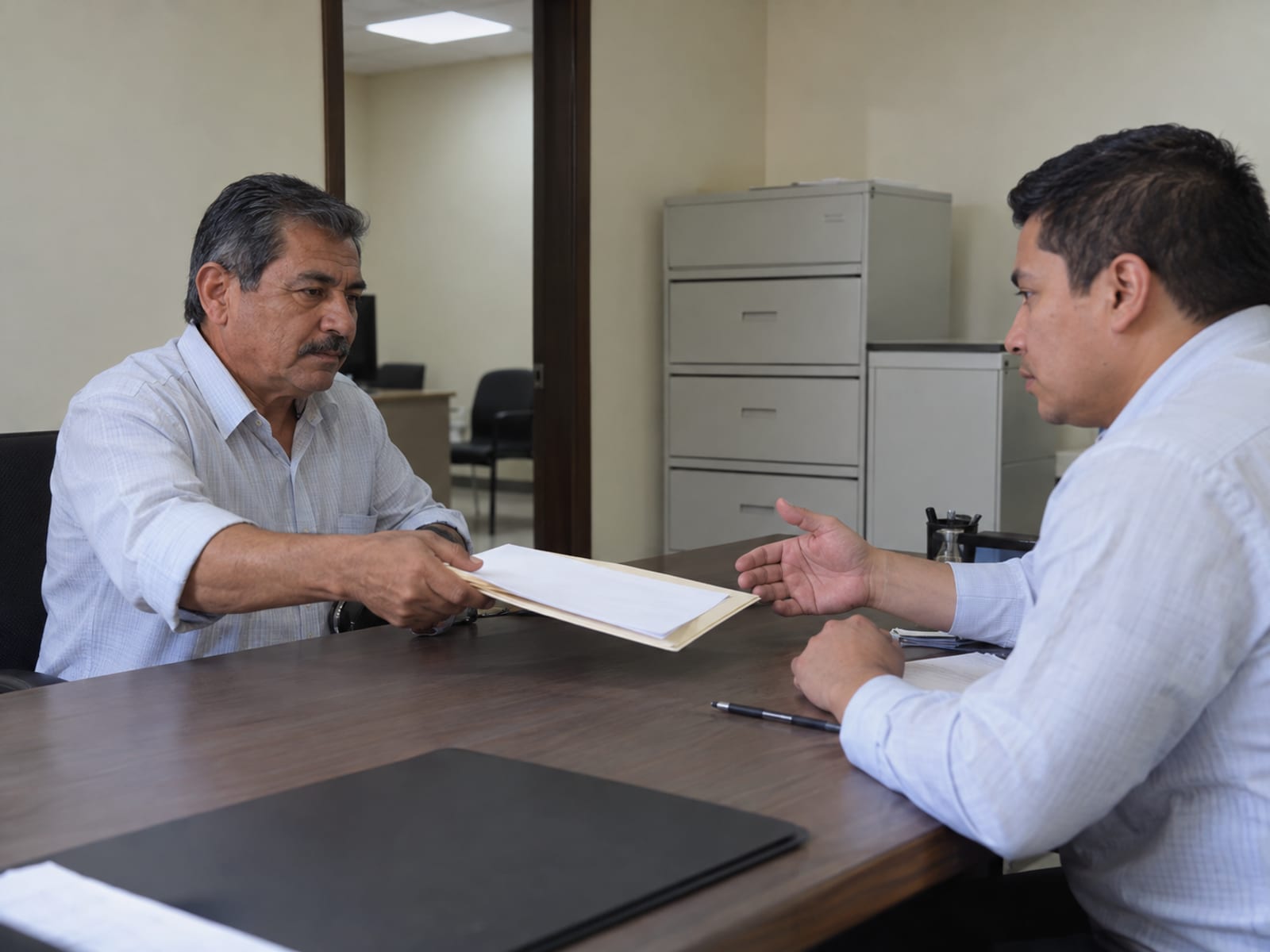
Each municipality publishes its own list, but the two official examples are similar in the essentials. In Guatemala City, Guide 09-F covers single-family homes up to 700 m², extensions and remodels of single-family homes up to 700 m², and subdivisions of up to four lots. Among other items, it lists:
- Form F08, current version.
- Receipt for municipal solvency payment (recibo de pago de solvencia municipal).
- Certificate from the General Property Registry (Registro General de la Propiedad) with complete history, issued within the last six months.
- Valid DPI (personal identification card) for the owners and other people who apply, and for the agent if there is one.
- Descriptive memo (memoria descriptiva) from the Territorial Control Directorate.
- Power of attorney, lease or authorization documents, where they apply.
- Form accepting minimum safety distances during construction.
- Proof of filing of the application for a favorable resolution from MARN, the Ministry of Environment and Natural Resources.
- Drawings with professional signatures, seals and stamps when the guide requires them.
That guide does not apply to projects in the Historic Center, historic ensembles, the buffer zone or Santa Clara, or to certain land-use changes. For the general procedure, the One-Stop Window (Ventanilla Única) says to go in person to get the form for your type of request, fill it in, attach the requirements and file the application. If the file meets the requirements, it is issued a receipt code (contraseña de recepción).
In Mixco, the permit issuance procedure is based on its regulation. For constructions of types 2 to 9, article 18, which the document cites, requires among other things a form sealed and signed by the owner and by an active, registered engineer or architect (colegiado activo), a certificate from the General Property Registry of the Central Zone valid for no more than six months, and a photocopy of the owner's identification document. It also mentions tax stamps (timbres fiscales) and Form 7B (Ingresos Varios, miscellaneous income). The Mixco permit lookup is linked from its official website.
If you want to compare options for preparing the project, you can browse the builders directory. Confirm directly with each one what they offer.
Do I need an architect or an engineer?
It depends on the municipality and the project. Guide 09-F for the capital asks for drawings and documents with the original signatures, seals and stamps of the professionals when required. It also asks for the descriptive memo and the original signature of the owner, agent, legal representative, usufruct holder or other person who applies. In Mixco, for certain types of construction, the form must be signed by an active, registered engineer or architect, and the procedure also mentions calculation reports and other technical documents.
A mason or a contractor does not automatically replace the architect or engineer that the authority requires for drawings, calculations, supervision or professional responsibility. Ask the municipality for the official list for your type of work, and hire the professional who corresponds to it.
How much does a construction permit cost?
There is no single national fee. Each municipality sets its own fee, which may be calculated with tables, percentages, square meters or units, and which can change. As an example, Agreement COM-012-04 of the Municipality of Guatemala states in its article 5 that the cost of the excavation, demolition, construction, remodeling, change-of-use, urbanization, subdivision and other permits is calculated using its cost and fee tables. The published table includes, among others, these percentages:
The table uses percentages and, for some activities, values per unit or per square meter, so the exact amount depends on the category and the municipal calculation. The same agreement says the first permit may have a maximum term of two years. Under its article 6, the first renewal costs 50% of the first permit's amount, and later renewals cost 25%.
For Mixco, confirm the fee directly with the municipality or through its lookup system. Always ask for the official calculation in writing, and the payment method, before you hand money to anyone.
What other permits can they ask for besides the permit?
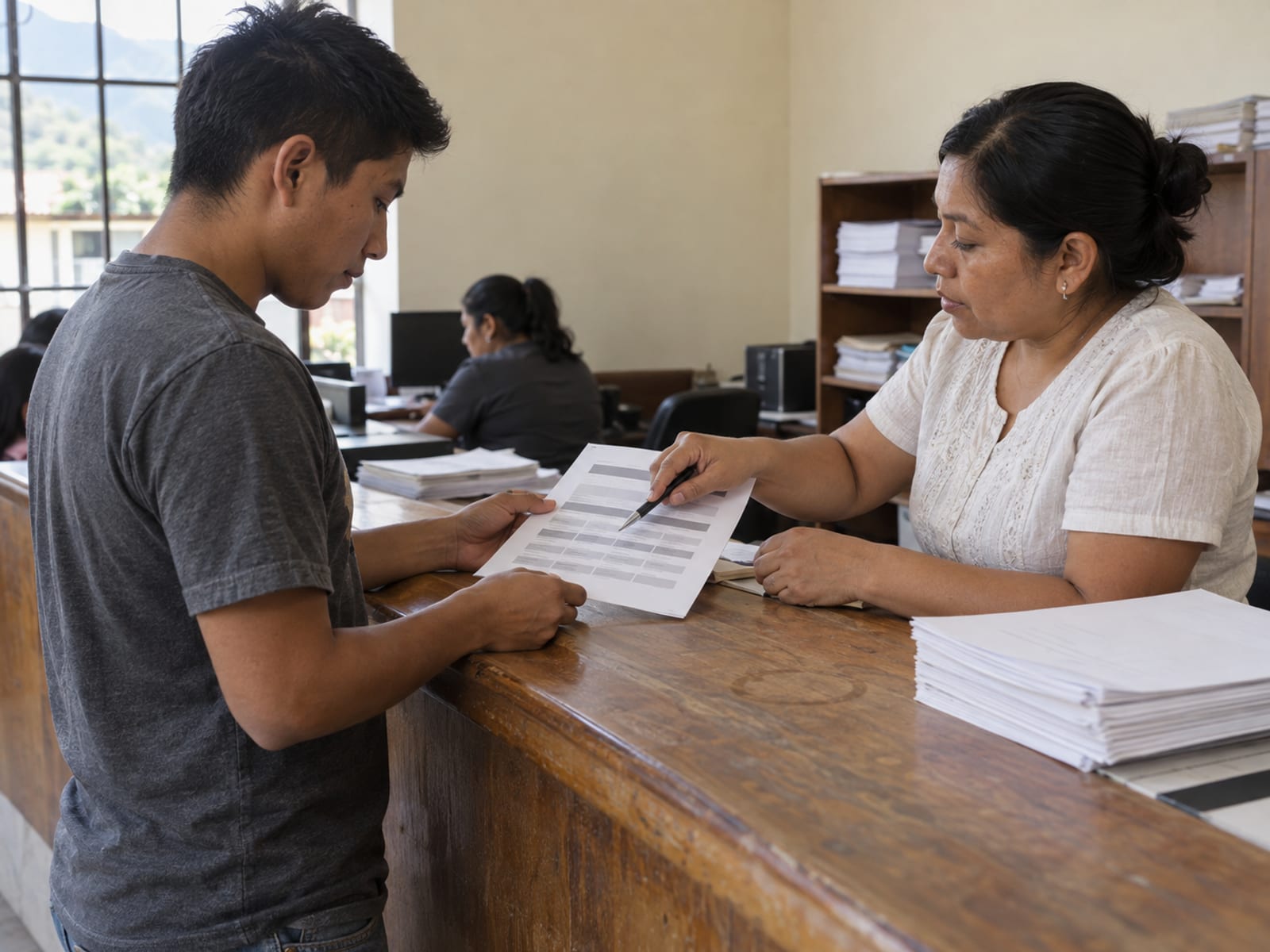
Depending on the work and the municipality, additional authorizations may appear. These are the ones the official sources mention, as examples and not as a mandatory list for everyone:
- Environment (MARN): Guide 09-F for the capital asks for proof of filing of the application for a favorable resolution from the Ministry of Environment and Natural Resources for certain files.
- Water and drainage: the EMPAGUA guide explains the requirements for reviewing water and drainage systems in Municipality of Guatemala projects that fall within EMPAGUA's jurisdiction (the city's water utility).
- Land use: the POT's frequently asked questions state that, along with the construction permit, a land-use permit is requested when applicable, and that the proposed use must be permissible.
- Heritage: special rules apply to cultural heritage properties and historic areas, including for light modifications.
- Roads: article 146 of the Municipal Code requires written authorization from the municipality to build along roads, with minimum distances based on the road category.
- Electricity: Guide 09-F asks for a form accepting minimum safety distances during construction, and it mentions electrical line easements where applicable.
Do not assume all of them apply to your project. Ask the permit office which ones apply to you.
What happens if I build without a permit?
There is no single national fine for any work done without a permit. According to the Municipal Code, articles 150 and 151 penalize violations set out in municipal ordinances, regulations, agreements and provisions, and the municipality can impose administrative sanctions depending on the violation.
In Guatemala City, the POT's frequently asked questions state that the regime can include suspension of work, partial or total demolition, and fines graded by severity and area. They also mention regularization procedures. In Mixco, the regulation provides that if the permit is not obtained before building, the Municipality, through the Municipal Affairs Court (Juzgado de Asuntos Municipales), can suspend the work until the permit is issued. If work has already started or you received a notice, ask the responsible municipality for the applicable rule, the settlement of any fine, and the regularization procedure. For legal questions about property or penalties, consult a lawyer.
Which questions should I take to the permit office?
These seven questions organize the visit and prevent a second trip:
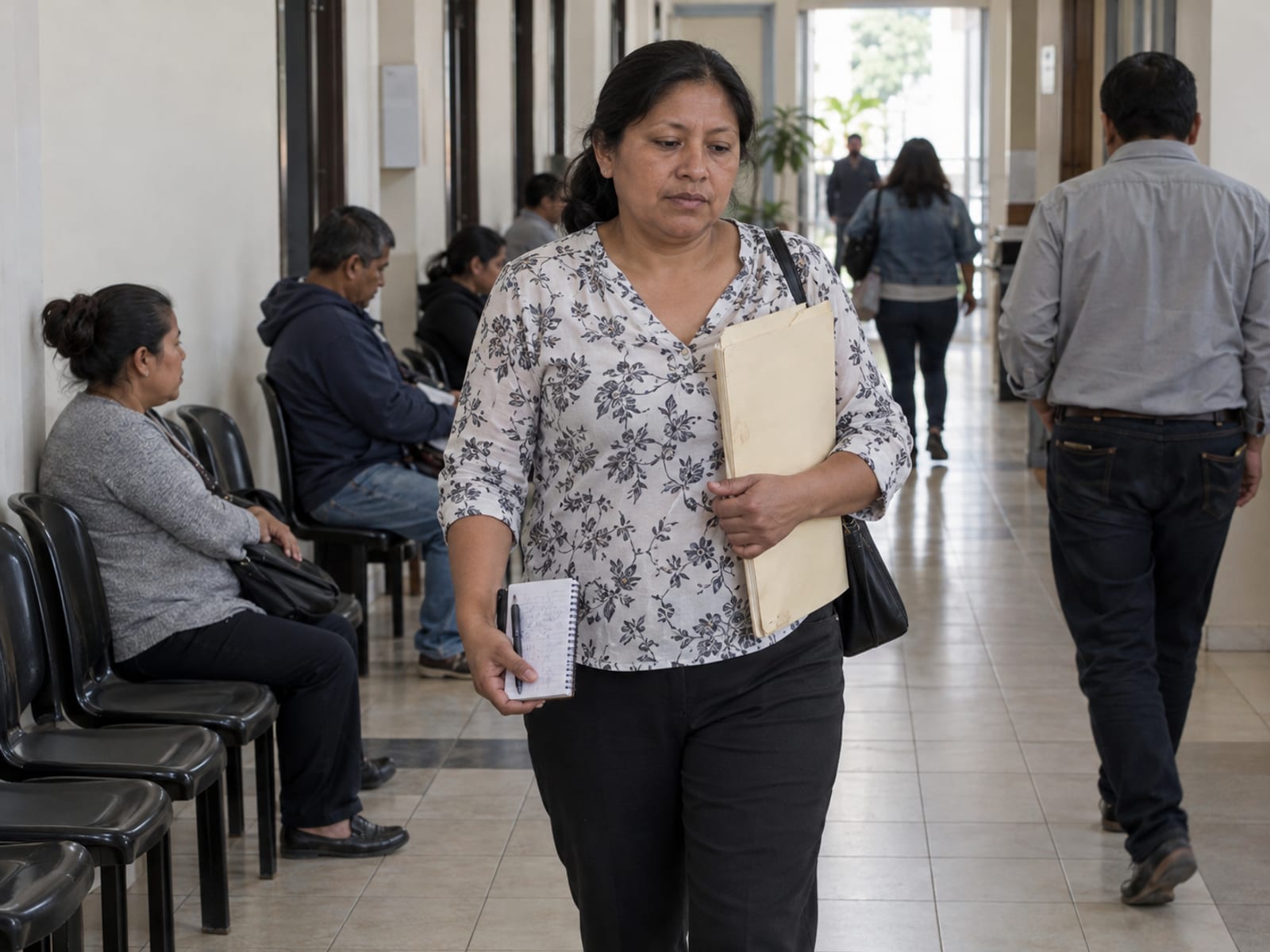
If your municipality's page is not clear, call or visit the permit office. Guatemala City publishes the call center at 1551 and the Territorial Control Directorate at 2285-8531. Mixco publishes the municipal phone number 1593. Also ask whether the property is in a historic or protected area, or one subject to special rules.
Frequently asked questions about construction permits in Guatemala
Who issues the construction permit in Guatemala?
The municipality of the district where the property is located, under article 68 of the Municipal Code. For that reason, do not apply the requirements or costs of another municipality. First confirm which municipality covers the lot.
What do I need to get a construction permit?
It depends on the municipality and the type of work. In Guatemala City, Guide 09-F may ask for a form, a municipal solvency receipt, a registry certificate, a DPI, a descriptive memo, power of attorney documents, drawings, and proof of filing with MARN. In Mixco, the procedure mentions a form signed by the owner and a registered professional, a registry certificate, and the owner's identification document for certain types of construction.
How much does a construction permit cost?
There is no single national price. The Municipality of Guatemala publishes tables with percentages by type of work, and the exact amount depends on the municipal calculation. For Mixco and any other municipality, confirm the fee directly with the municipality.
Which construction does not need a permit?
In Guatemala City, the POT mentions light modifications such as painting, plastering, certain repairs, opening doors, grilles, and sheet-for-sheet roof replacement up to 30 m², provided they do not change the property's parameters or characteristics. It does not apply to cultural heritage properties or historic areas. In another municipality, a different rule may apply.
What is the fine for building without a permit?
There is no single national fine. Each municipality applies its own rules. The capital mentions suspension, demolition and graded fines, and Mixco mentions suspension of the work until the permit is issued.
Do I need an architect or an engineer?
It depends on the municipality and the project. The capital asks for drawings and documents with professional signatures, seals and stamps when required. Mixco requires, for certain types of construction, a form signed by an active, registered engineer or architect. Check the official list.
Before you go to the municipality
With the exact address of the lot and a description of the work, you can confirm your municipality, request the form and the list of requirements, and know which fee applies before you spend money on materials. If your project needs drawings, hire an architect or engineer who is an active, registered member, and confirm with the municipality which documents they must sign.
Starting with the permit in order saves you from suspensions, fines, and the possibility that work has to be corrected after it is built.
At Albañiles Guate we are a bilingual directory in Guatemala that helps people find and contact masons, builders and construction trades by service and location. We do not recommend, rank, license or insure the businesses listed, so confirm directly with each one what you need. Once your permit is clear, write to us through the contact page and we will help you find masons for your project. You can also browse the mason directory.
Related guides
How to Request a Masonry Quote in Guatemala
A masonry quote in Guatemala should spell out materials, labor, rubble removal, dates, payment stages, and warranty. Review every line before you decide.
When to consult a structural engineer before building work
Before you remodel, check whether the change touches walls, slabs or foundations. Learn when to consult a structural engineer and what to bring to the visit.
Construction Permits in Guatemala City: How to Apply
Construction permits in Guatemala City: gather your property records, choose the right form at the One-Stop Window, and check your case online with a PIN.