Cracks in Walls After an Earthquake: What to Do Today
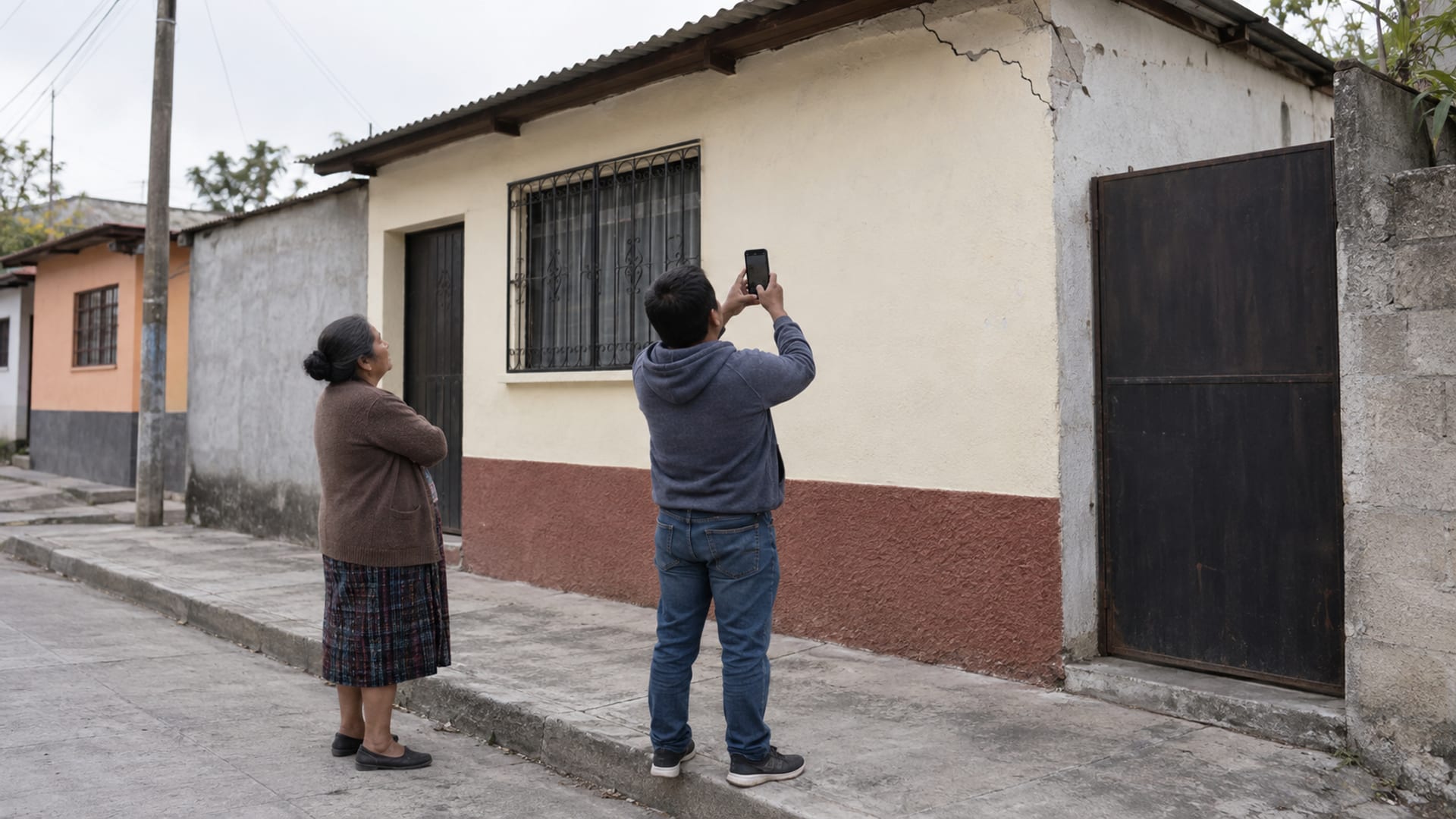
The shaking has stopped and the house is still standing. But when you turn on the light, you see a new line on the wall that was not there before. You may be wondering whether you can sleep there tonight, whether that crack is the kind that matters, and whom to call at this hour. That mix of fright and doubt is normal. The first step is not to measure or cover anything. Make sure people are safe and that the place where they are is safe. Then, from outside and calmly, write down what you see so that whoever comes to check the house has clear facts. Below you will find what to do tonight, what to document, and who can assess the damage before anyone repairs it.
Key takeaways
What do I do first if the house has moved and there are new cracks?
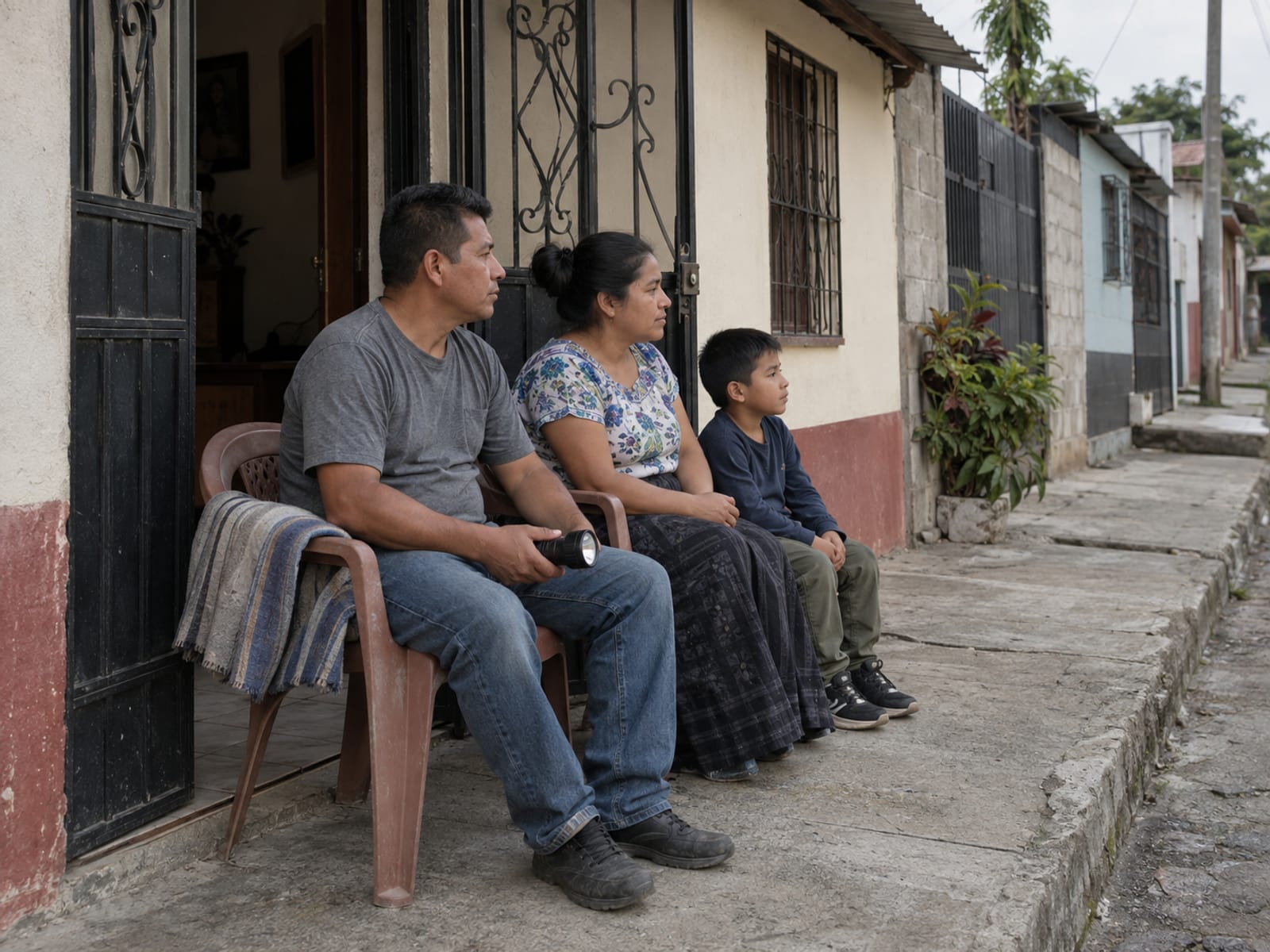
According to CONRED, after an earthquake it helps to stay calm, check the home for damage, and watch for aftershocks. If you need to leave, do it in an orderly way, without running or pushing. Follow only the instructions from the authorities, and do not go back into damaged areas until you are told the space is safe.
This is the order that works for tonight:
- People first: check whether anyone is injured, and ask for emergency help if you need it.
- Leave if there is danger: if the building shows a condition that could put lives at risk, go with your family to a safe place.
- Do not go back to damaged areas: avoid entering affected areas until you receive instructions.
- Watch for aftershocks: another movement can follow the main one.
- Check electrical connections: CONRED recommends this in its note on cracks in the home. It is a visual safety check; do not touch damaged installations or try to repair them.
- Report the emergency: call 119 if you see danger.
Which number do I call, and what do I say?
If you see danger, the national emergency number is CONRED's 119. The Centro de Transmisiones de Emergencia (Emergency Transmissions Center) receives reports 24 hours a day and coordinates the response with the institutions of the CONRED System. When you call, give clear information about what happened and the exact location: municipality, zone, address, and landmarks that help someone find it.
These are the numbers that CONRED publishes on its emergency numbers page:
For questions that are not emergencies, CONRED lists on its contact page the main line, PBX 2296-9100, and the email comunicacion@conred.gob.gt. That line belongs to CONRED, not to a municipal inspection office. Your municipality has its own contact details.
Which cracks can be dangerous?
During the earthquake sequence of July 2025, CONRED published that a crack can be dangerous if it has any of these features:
- it appears in more than 20% of the building;
- it is thicker than half a centimeter;
- it forms a diagonal, X or U shape;
- it runs parallel to the floor;
- it affects structural or load-bearing elements of the house.
That list helps you describe what you see. It does not declare a house safe. A crack that has none of those features does not mean the building is fine either. The only way to know what the cracks mean in a particular house is an assessment by a qualified professional.
There are other signs you should report to the authorities or to the professional. CONRED's detailed damage assessment form includes partial or total collapse, tilting of the building, severe damage to walls, displacement of the foundation, and risk of parts falling. It also covers damage to non-structural components such as ceilings, partitions, doors, ducts, or pipes. If you see any of this, step away and report it. Do not try to repair or move the element.
How do I document cracks without putting myself at risk?
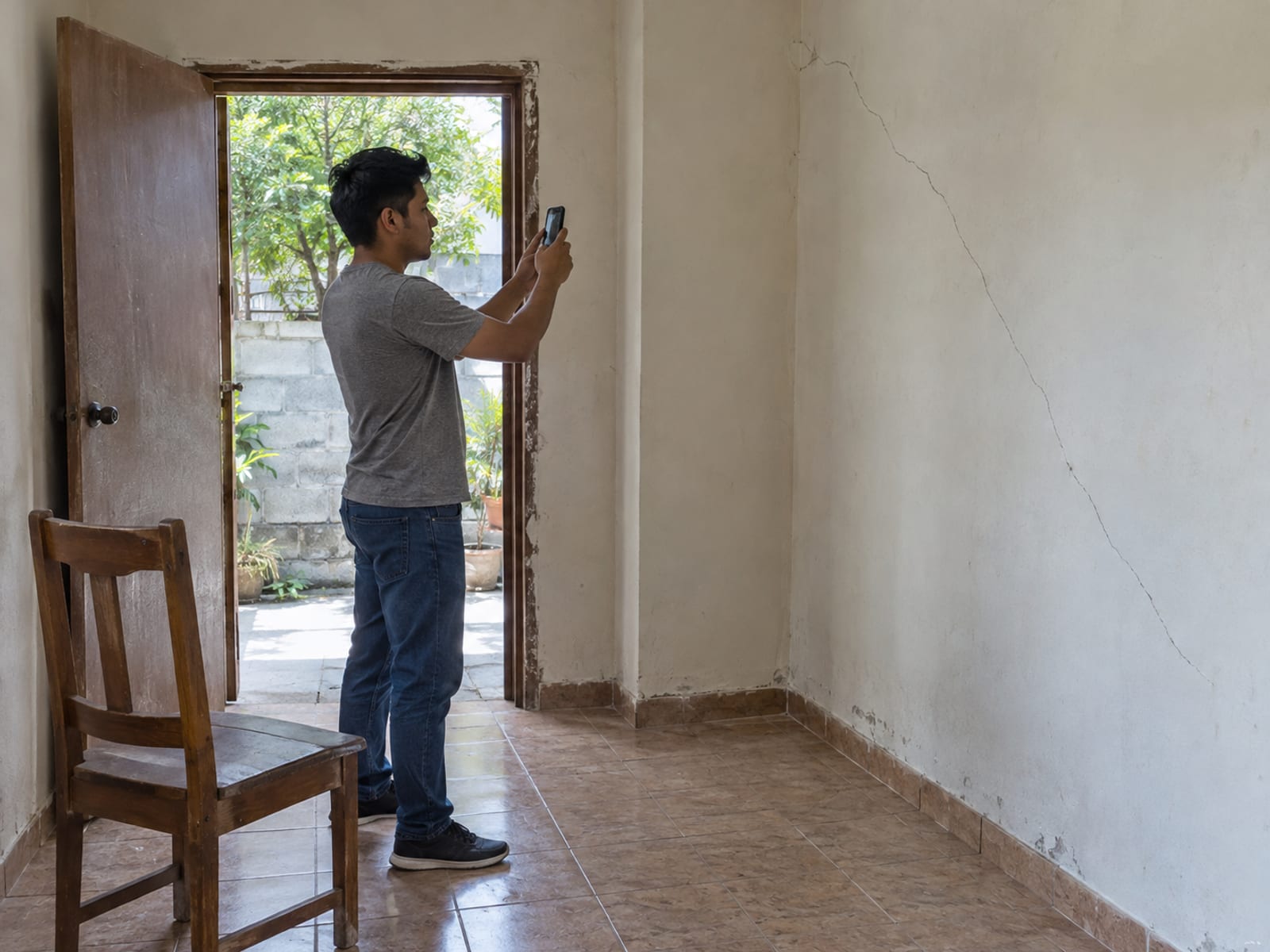
Documenting helps the person who assesses the house understand what changed. Do it from a safe spot, and only in areas with no risk of falling material or collapse.
- Date and time: write down when the earthquake happened and when you noticed each damage.
- What changed: doors that stick, cracked glass, plaster that has come loose, walls that lean.
- Where each crack is: in which room, on which wall, at which level.
- What shape it has: diagonal, X, U, or parallel to the floor.
- Photographs: one overall photo of each wall and a closer one, always from a safe spot.
- Exact address: municipality, zone, landmarks, and where the affected people are.
Everyday words can be confusing. Grieta, fisura, rajadura and cuarteadura (all words for a crack or fissure) are used almost interchangeably in daily speech. That is why it helps to describe the location and shape, not just give the crack a name. And remember that no single word tells you whether the house is safe.
Can I sleep in my house tonight?
That decision is not made by how a crack looks. If you see danger, go to a safe place and follow the instructions of the authorities. If the house shows no visible danger, keep in mind that a photograph, a single measurement, or an informal opinion does not authorize anyone to move back into a damaged building. The person who can judge whether an existing structure is safe, and what deficiencies it has, is a qualified professional.
That is what the structural safety standard NSE 6 from AGIES says about evaluating and rehabilitating existing buildings: the evaluation aims to determine whether an existing structure is safe or not, and what its deficiencies are. The standard sets out three levels: a rapid evaluation, a deficiency-based evaluation, and a systematic evaluation. It does not turn a home check into a structural assessment, and it does not authorize improvised repairs.
Who inspects a house damaged by an earthquake?
There are two paths that complement each other. The first is the CONRED System, which can coordinate rapid damage assessments with technical staff and local authorities, as described in a note on assessment actions after seismic activity in Jutiapa. To request one, report the emergency to 119 and also inform the municipality responsible for the building. The municipal, departmental and local coordinators are part of the CONRED System, and the municipality can tell you the local procedure for requesting an inspection.
The second path is to hire a professional. The assessment of an existing building is normally assigned to a civil engineer with structural expertise. An architect can take part within their competence, especially in coordination, habitability and permit paperwork, but ask what responsibility each professional will take on and request it in writing.
How to confirm the professional is a registered member of their college
Before you hire anyone, ask for their full name, profession, and colegiado number (their registration number with the professional college). Then confirm the details directly with the relevant college.
- Architects: the Colegio de Arquitectos de Guatemala publishes a directory of members that can be searched by registration number, name, profession and department. It also has a certificate validator that asks for the registration number and the document number. Its published phone numbers are 2245-2424 and 4991-0131.
- Engineers: ask the engineer for their registration number and confirm that it is current directly with the Colegio de Ingenieros de Guatemala before you hire them.
The Mandatory Professional Membership Law (Ley de Colegiación Profesional Obligatoria) defines an active member as someone who meets the registration requirements, is not disqualified, and fulfills the corresponding obligations. An active registration shows the person's standing; it does not mean the college recommends them or has reviewed their work.
Can I repair the cracks right away?
Not yet. The repair of a damaged building should start from a professional assessment. When the work changes structural or safety features, the design and authorization are handled by the qualified professional together with the municipal authority. Keep the assessment report; it will help you if you later hire someone to do repairs.
Permit rules depend on each municipality. As an example, the Municipality of Guatemala explains in its frequently asked questions about permits that certain light modifications, such as repairs, plastering, painting, replacing roof sheets and opening doors, may not need a construction permit when they do not increase the usable or rentable area and do not change structural or safety features. In properties considered cultural heritage, those modifications may require a permit. Under article 80 of the Territorial Planning Plan (Plan de Ordenamiento Territorial), the construction permit (licencia de obra) covers demolition, reconstruction, expansion, modification, reform and remodeling, as well as work that changes functional, environmental, structural or safety characteristics. To check the process in the capital, the Ventanilla Única (One-Stop Window) is the point for construction permit applications.
Those are the rules for Guatemala City. Mixco, Villa Nueva and the other municipalities have their own procedures and requirements. Before you repair, demolish or modify anything, confirm with the municipality responsible for your building which procedure applies.
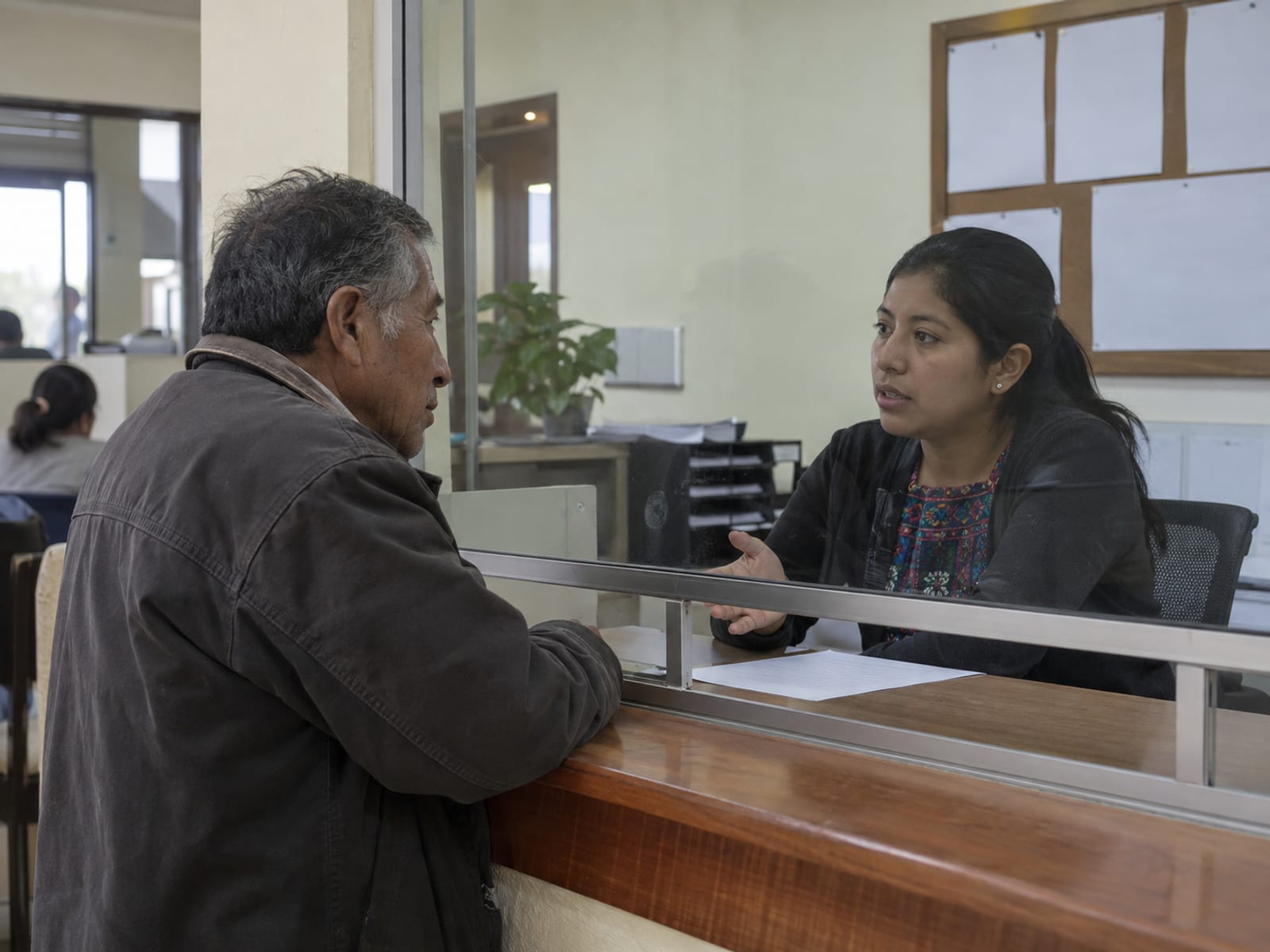
Frequently asked questions about cracks in walls after an earthquake
Which cracks are dangerous after an earthquake?
CONRED points to features that may signal danger: cracks that appear in more than 20% of the building, are wider than half a centimeter, form a diagonal, X or U shape, run parallel to the floor, or affect structural or load-bearing elements. These features do not allow a house to be declared safe. To learn what they mean for your building, request a professional assessment.
How do I know if a crack is a concern?
Do not decide by appearance. Describe what you see, take photos from a safe spot, and ask a qualified professional for an assessment. If there is a lean, severe wall damage, or risk of collapse, leave and report the emergency to 119.
Can I stay in my house after a tremor?
If you see danger, go to a safe place, avoid going back into damaged areas, and follow the instructions of the authorities. A photo or an informal opinion does not authorize anyone to move back into a damaged building; the reference point is an assessment by a qualified professional.
Whom do I call if my house has cracked?
If there is an emergency or immediate danger, call CONRED at 119 and say what happened and the exact location. To learn the condition of the structure, also request a professional assessment and inform the municipality.
What do I do if I see a damaged column, slab or wall?
Move away if there is a risk of falling pieces or collapse, leave if needed, and report the situation to 119. Do not try to repair or handle the element before the assessment.
Do I need a permit to repair a crack?
It depends on the municipality and the scope of the work. In Guatemala City, certain light modifications may not need a permit if they do not increase the area or change structural or safety features. A structural intervention, a demolition or a reconstruction may require one. Check with the municipality before you start.
What to do tonight and whom to ask for help tomorrow
If there is danger, leave, get to a safe place, and report the emergency to 119. If there is none, write down what you see, photograph it from a distance, and do not touch or repair anything until someone qualified has assessed the house. Neither a photo nor a single measurement replaces that assessment.
With the assessment in hand, you will know what can be repaired, what needs design work, and what permit the municipality requires. That saves you from rushed decisions and lets you speak clearly with whoever will carry out the work.
At Albañiles Guate we are a bilingual directory in Guatemala that helps people find and contact masons, builders and construction trades by service and location. We do not recommend, rank, license or insure the businesses listed, so confirm directly with each one what you need. When you already have the assessment and the municipality's instructions, contact us through the contact page and we will help you find masons for the repair. You can also browse the mason directory.
Related guides
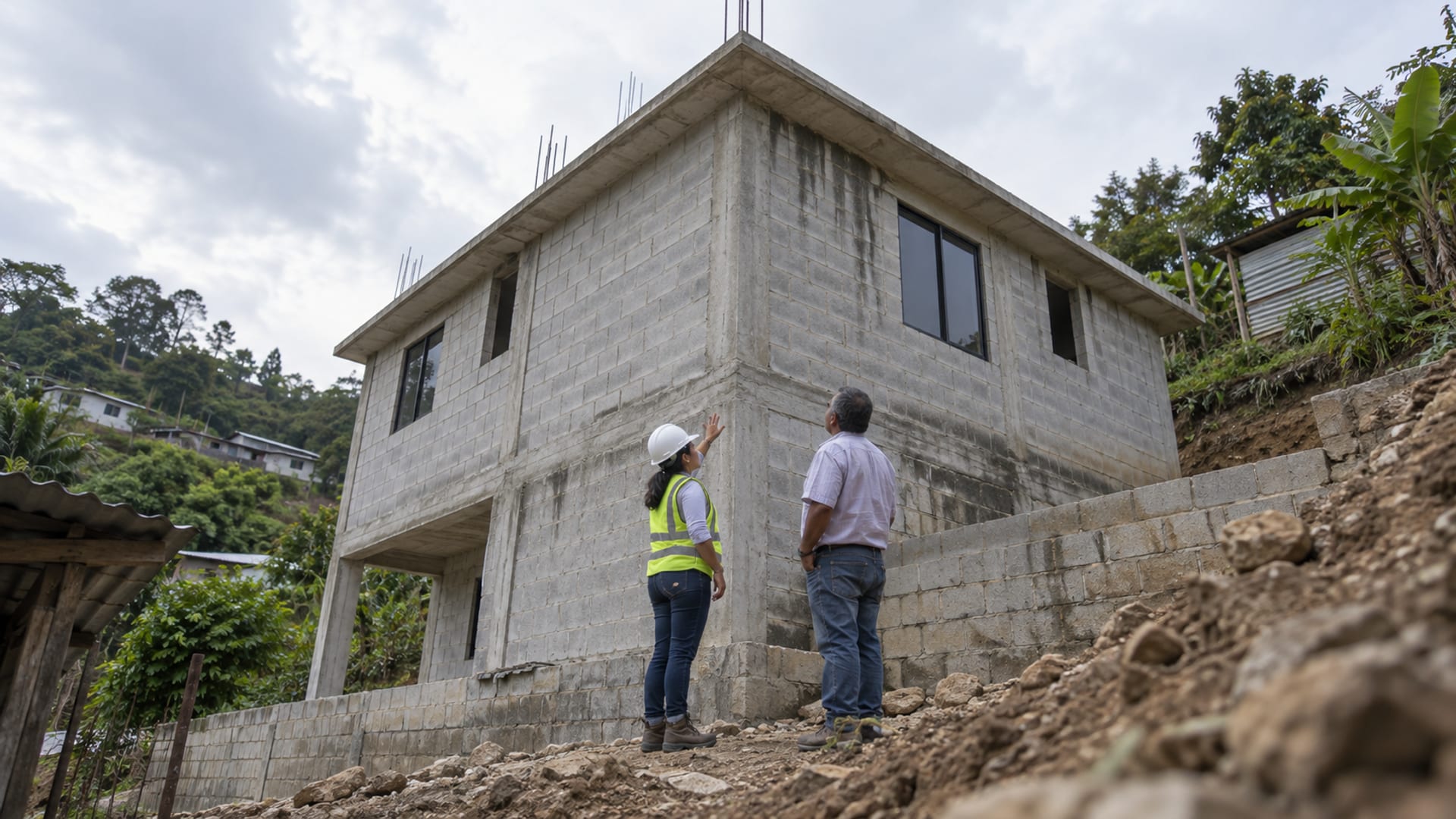
When to consult a structural engineer before building work
Before you remodel, check whether the change touches walls, slabs or foundations. Learn when to consult a structural engineer and what to bring to the visit.
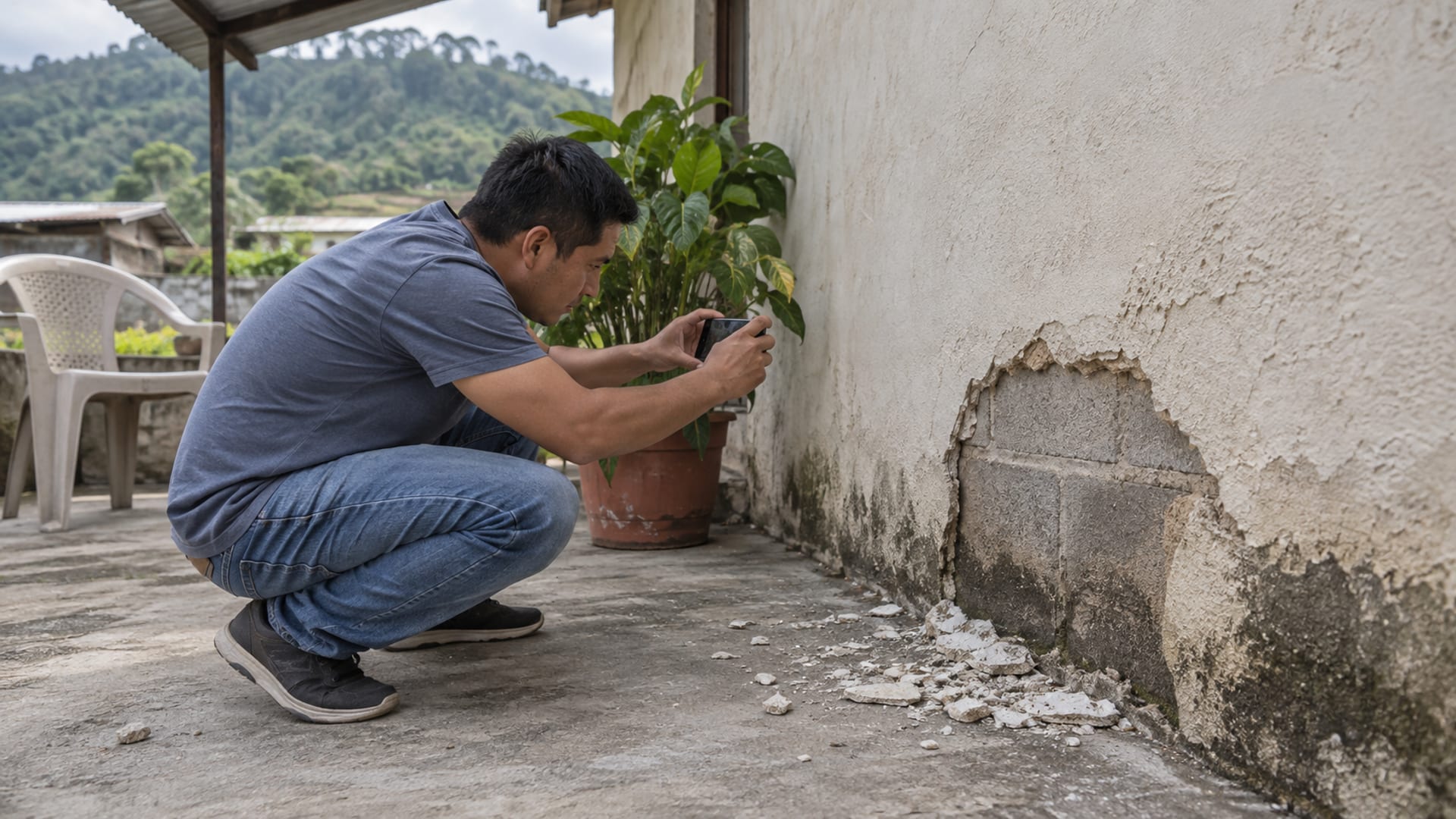
How to Request a Masonry Quote in Guatemala
A masonry quote in Guatemala should spell out materials, labor, rubble removal, dates, payment stages, and warranty. Review every line before you decide.
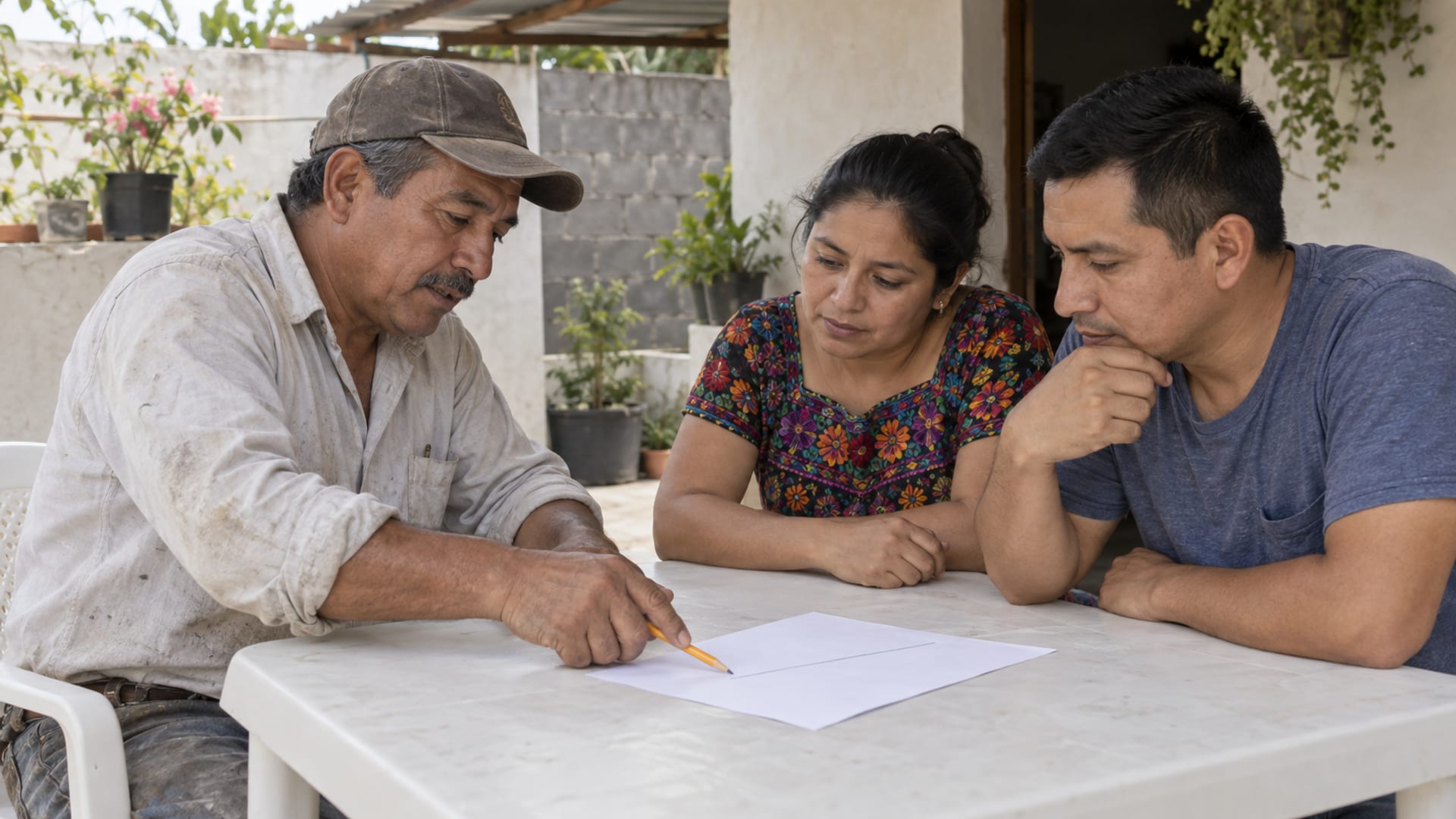
What a Written Scope of Work for a Masonry Job Should Include
Before you hire, write down what the job includes, who buys and removes materials, the start and end dates, payments, final cleanup, and the warranty period.