
How much does it cost to build a second storey in Guatemala
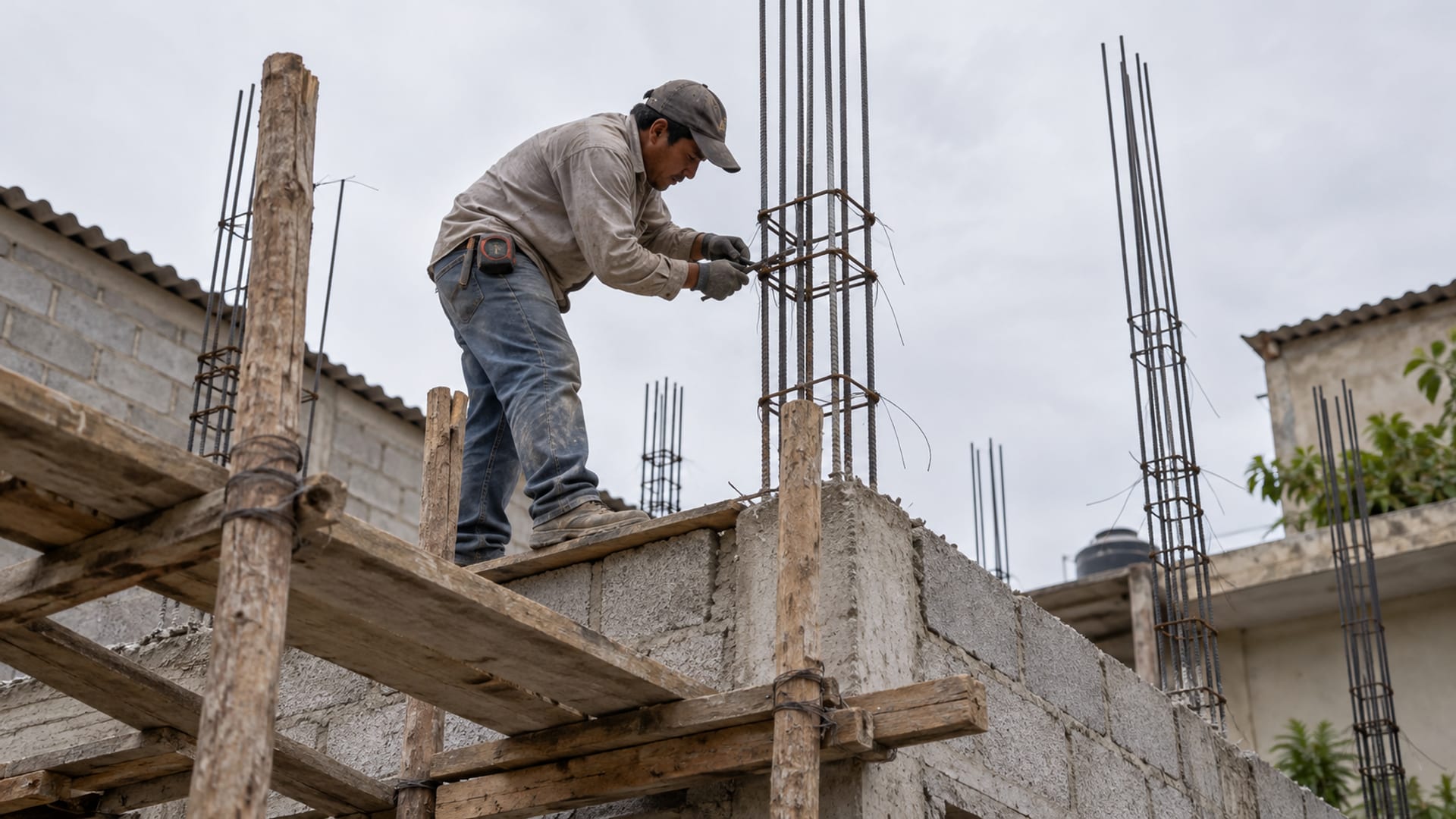
Your house has one level and you need more space: another bedroom, an apartment to rent out, a place for family, or simply a home that has become too small. Perhaps you are coordinating the work from another country and want to be clear about what to decide before you ask for a price. The honest answer to "how much does it cost" is that you first need to know whether the house can take another level. That is decided by a professional who evaluates the existing structure, not by a price per square meter. After that come the stairs, the type of roof, the utilities, and the municipal permit, which all change the total. Here you will find the figures some companies have published, what each one represents, the difference between building up and building out, and what to request in writing so you can compare two quotes with the same scope.
Key takeaways
Building up or building out are two different decisions
A horizontal expansion is new construction at ground level, attached to or connected with the existing house. A vertical expansion adds one or more levels above the structure that is already there. In everyday use, "segundo piso" (second floor) and "segundo nivel" (second level) mean the same thing.
To decide, compare the free space you have, access for materials, circulation inside the house, and the disruption the work will cause while the family keeps living there. Building out may require land and new foundations; building up requires that what is already built can carry that weight, and that question cannot be answered by looking at it.
The existing structure is evaluated before any final price
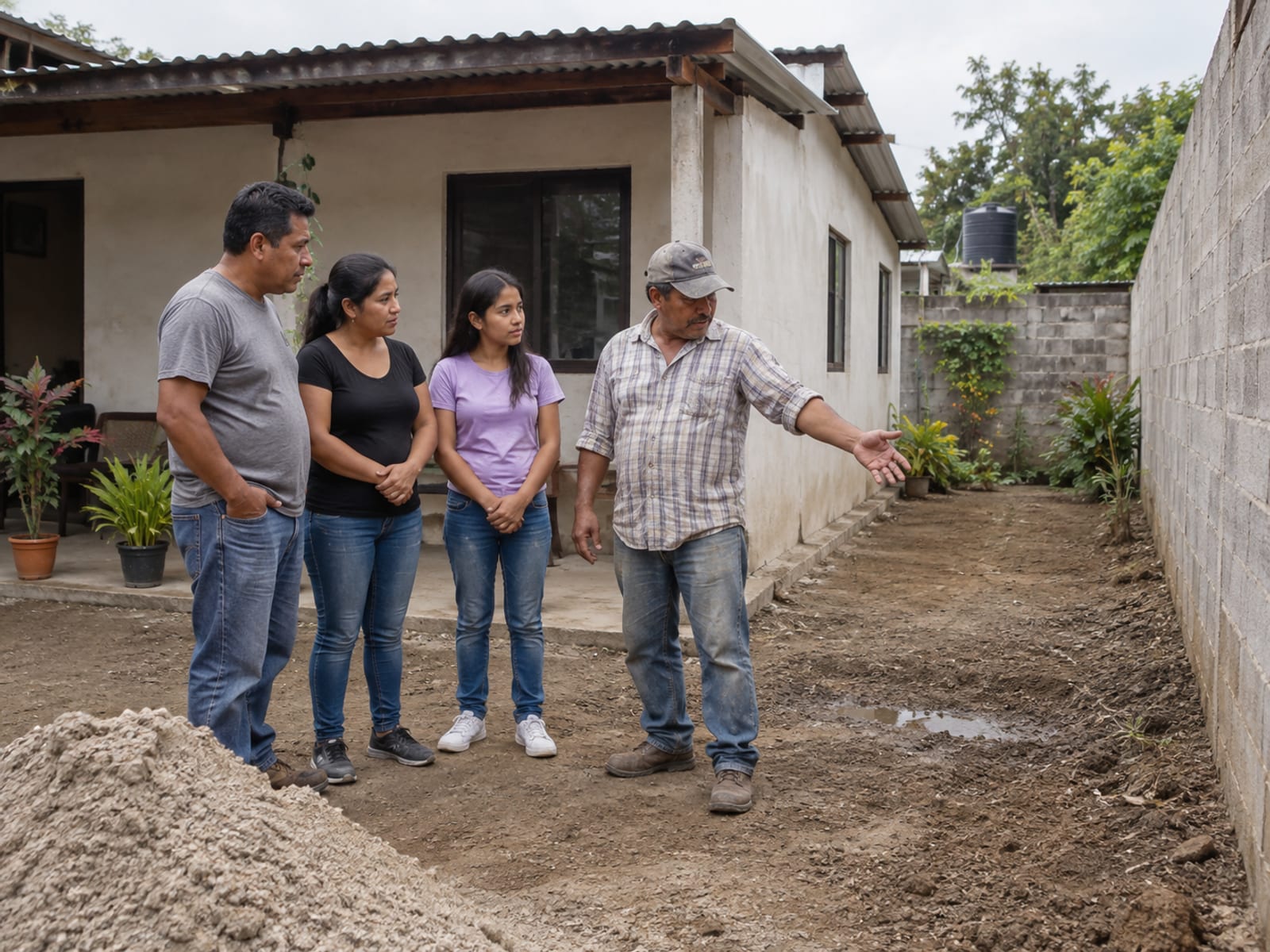
A quote that gives you a firm total without having seen your home's structure is guessing. CONRED (the national disaster reduction agency) describes NRD-1 as a standard that sets minimum technical criteria for designing new works, remodeling or repairing existing works, and evaluating works, in order to prevent damage to people and essential infrastructure. It includes AGIES standards, among them NSE 6, on evaluating and rehabilitating existing works, and NSE 1, on general provisions, administration of the standards, and technical supervision. NRD-1 applies to construction, expansion, adaptation, rehabilitation, structural reinforcement, modification, and change of use, and the local municipality is the authority that ensures compliance in its territory.
In practice, you request the evaluation of an existing house from a civil or structural engineer qualified to carry it out. An architect can take part in the survey, the layout, the architectural design, coordination, and the permit process, but the structural evaluation and design belong to the competent professional. This article does not say whether your house can or cannot take another level, and it does not give engineering instructions: that answer is for your case and must be signed by a professional.
In writing, you can ask for:
- An evaluation of the existing structure.
- A report with the scope of the inspection.
- Plans or architectural design, where applicable.
- Structural design or calculation memo, where applicable.
- The registration number and a certificate of active registration.
- The signature and seal of the professional on the documents they deliver.
You can verify an architect's status in the directory of members and in the membership status check of the Colegio de Arquitectos de Guatemala (the architects' association), which distinguishes between "Activo" (active) and "Inactivo" (inactive). The Colegio de Ingenieros de Guatemala (the engineers' association) issues certificates of active registration with validation mechanisms, such as a QR code. A professional showing as active is not an opinion on the quality of their work.
What has been published about the price of a second storey
The figures in circulation are commercial estimates from one company, not official rates or national averages. House Guatemala published on June 16, 2026 that the cost of a second storey is usually calculated per square meter, and that structural reinforcement and utilities can raise it. It did not publish a specific figure for a second storey, nor a closed package with detailed exclusions. It mentions as factors the existing structure, the stairs, the utilities, the finishes, and the reinforcement, and it notes that reinforcement can be the most expensive item when the house was not prepared to grow.
The other figures from that company refer to different work:
The company clarifies that the new-house ranges include materials and labor for rough construction plus finishes, and exclude land, design, permits, and site development. Those ranges are not the price of a second storey: a new house does not have to connect to an existing structure, protect a home that is still occupied, or add stairs to a level that did not exist before. Nor does a horizontal expansion figure carry over directly to an upward expansion. These numbers are useful for understanding what is and is not included in each one.
Stairs, roof, and utilities change the total
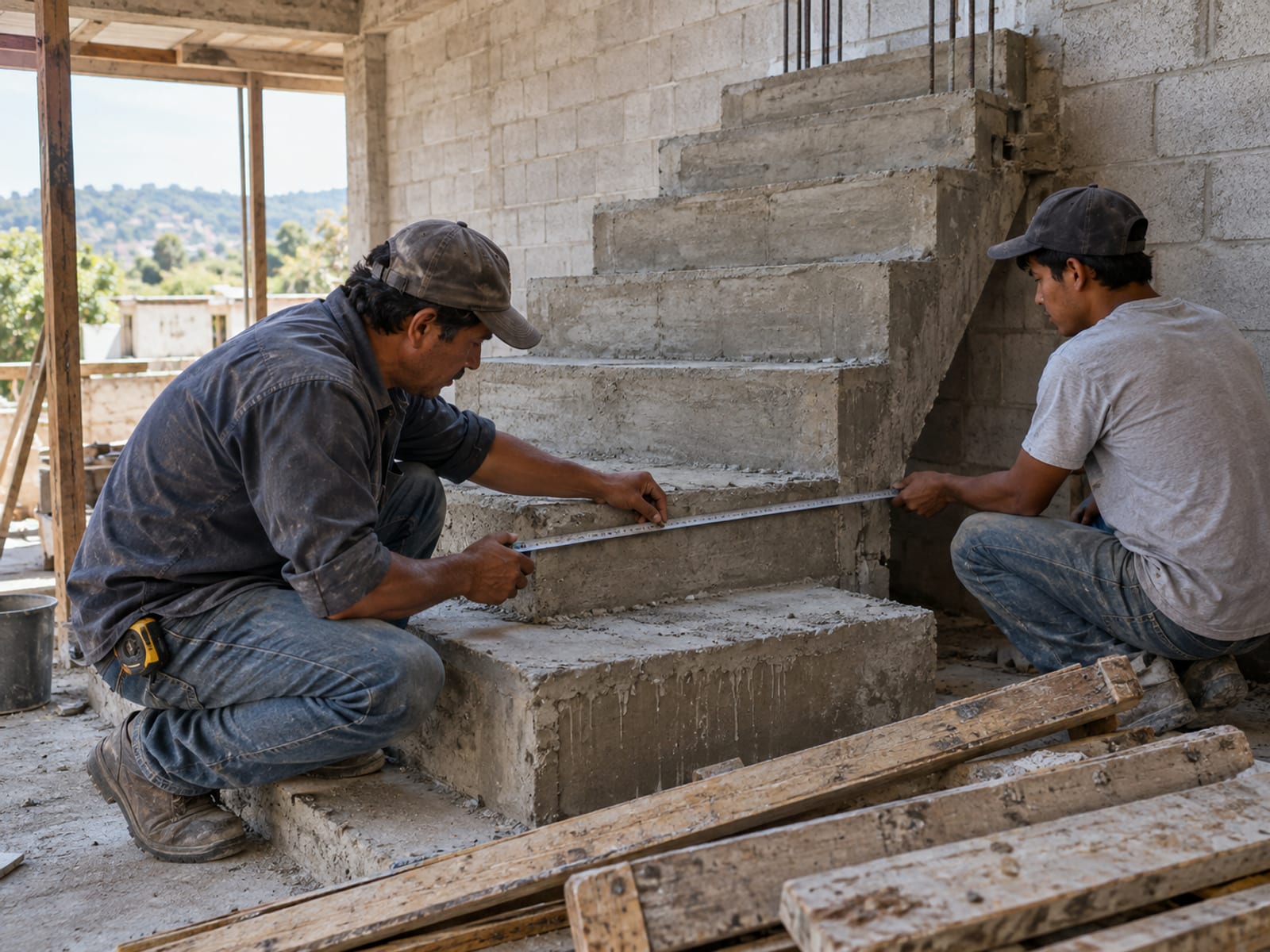
A second level needs a way up. According to House Guatemala, stairs take up space and add cost. Ask your quote to list the stairs, the structure of the new level, and the connection to the existing house separately: that way two proposals can be compared line by line.
Other factors the sources mention:
- Finish level: basic, medium, medium-high, or high.
- Roof of the new level: concrete slab or sheet metal. No comparative monetary figure has been published, but the roof is part of the scope and must be defined in the proposal.
- Structural reinforcement: it can be the most expensive item if the house was not prepared to grow.
- Built area: more square meters mean more material and labor.
- Utilities: water, electricity, and drainage running up to the new level can raise the price.
- Construction system: for horizontal expansions, the same company mentions block, steel framing, and wood.
- Land and terrain: they can affect compliance with the POT (the land-use plan), according to the Municipality of Guatemala City.
- Municipality: the municipality where the property is located sets permits, requirements, and fees.
- Material purchasing and site access: no published figure exists, but they must be defined in the quote because they affect logistics.
Published material prices, with their dates
For budgeting, it helps to know what some materials cost. These are prices published by their sources, not averages or recommendations, and they change by size, strength, brand, gauge, transport, availability, and city.
To see how the prices of a basket of materials and services move, the INE (the national statistics institute) publishes the Construction Materials Price Index. It is an index of variation, not a quote or the price of a job.
The permit depends on the municipality and the type of work
Each municipality sets its own procedures, requirements, fees, and categories. Two examples show how much they vary.
In Guatemala City, the POT regulation defines a building permit as the municipal authorization for works that include expansion, modification, remodeling, and structures built above or attached to existing buildings. The municipality explains in its FAQ that an expansion of up to 30 m² corresponds to a minor works permit, and an expansion larger than 30 m² to a major works permit. Light modifications that do not increase the usable or rentable area may fall outside the permit, unless special conditions apply. The Ventanilla Única (the single-window office) explains that you submit a form and requirements depending on the type of application.
In Mixco, the municipal regulation establishes that for construction, excavation, leveling, expansion, modification, repair, or demolition, the construction permit issued by the Municipality of Mixco must be obtained beforehand.
These are named examples, not a general rule. If your house is in another municipality, confirm the procedure there before starting any work.
What to prepare before asking for quotes
The clearer what you hand over, the more comparable the answers will be. Gather:
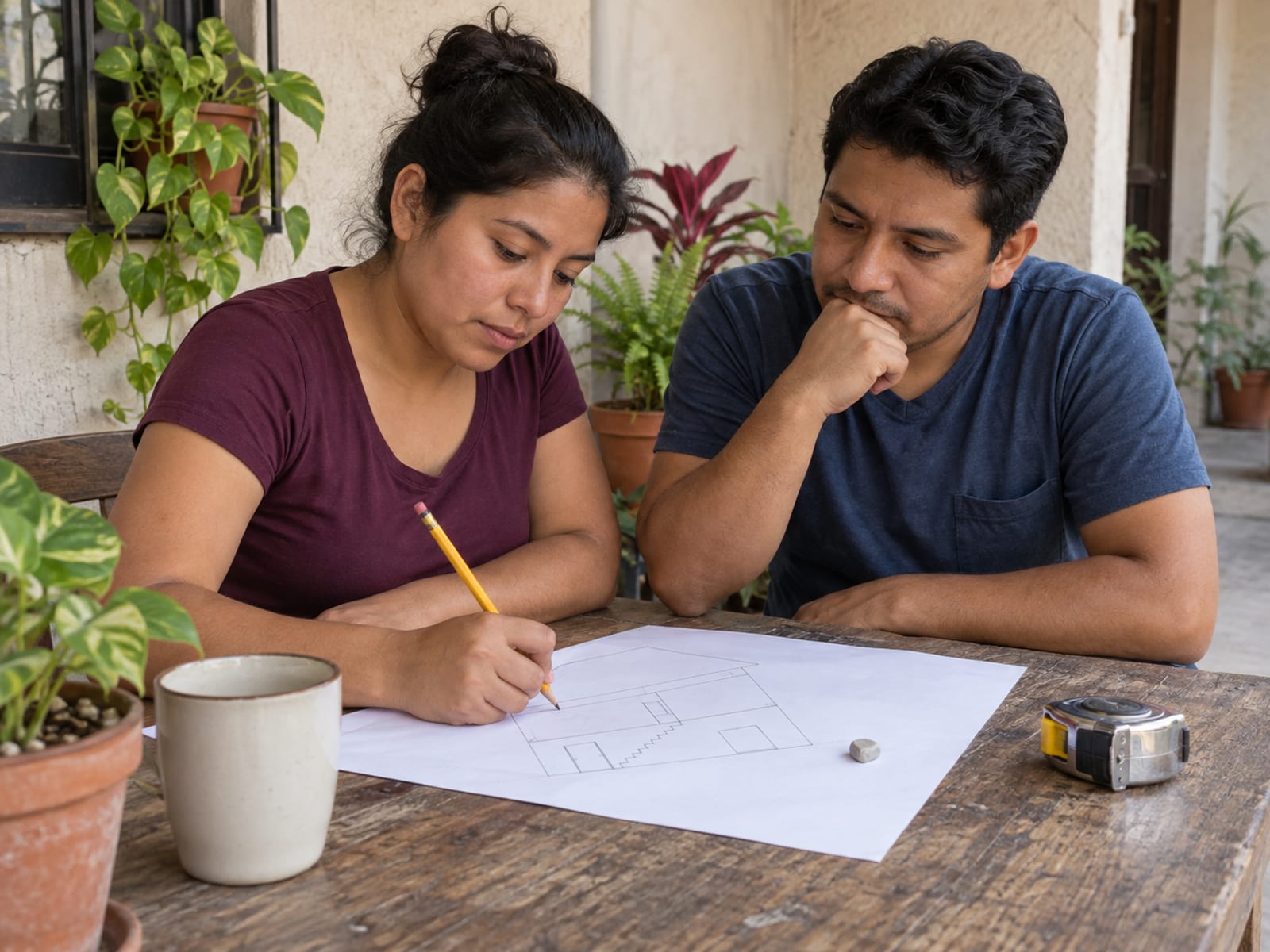
- A sketch with the rooms, bathrooms, stairs, and access you need.
- The measurements of the new area and of the current house.
- The house documents: earlier plans, a previous permit, the deed, or a registry certificate if you have them.
- Photos of the current condition.
- A list of finishes that interest you.
- Who will pay and how the disbursements will be made.
Give that same information to every provider. That way you avoid comparing a rough structure with a finished house.
What to request in writing for each quote
The Consumer Protection and User Law states that service providers must respect the conditions, deadlines, methods, and warranties under which the service was offered or agreed, that the warranty period must be stated in writing, and that a service that was not provided cannot be charged without a written contract. On that basis, here is a practical list for comparing quotes:
Keep the contract, the quote, the receipts, the photos, and the communications. If you need to file a complaint, DIACO (the consumer protection office) has a complaints register. Legal questions about property, contracts, or regularization belong to a lawyer or the competent authority.
If you are looking for someone to carry out the work, the builders and masons directories let you search by service and by location.
Frequently asked questions about how much it costs to build a second storey
How much does it cost to expand a house in Guatemala?
A commercial reference published in June 2026 places a new expansion attached to an existing house between Q4,500 and Q9,000 per m², at medium quality. The figure mentions foundations where applicable, structure, walls, roof, utilities, and finishes, and it depends on the construction system and the level of finish. Ask for a quote with a detailed scope.
Can the price of a new house be used to estimate a second storey?
It should not be used automatically. The new-house reference published in June 2026 runs from Q2,800 to Q12,000 or more per m², depending on finishes, and includes materials, labor, rough construction, and finishes, but excludes land, design, permits, and site development. A second storey may require an evaluation, a connection to the existing structure, stairs, and protection of an occupied home.
Can every single-storey house take a second floor?
It depends on the evaluation of the existing structure. Before asking for a firm price, request a written evaluation from a competent professional and ask what technical documents they will deliver.
Do I need a permit to expand my house?
Confirm it with the responsible municipality. In Guatemala City, the distinction between a minor and a major works permit depends on the area, and in Mixco the regulation requires a prior permit for activities that include expansion. Other municipalities may have different rules.
What should a second-storey quote include?
The area, the demolition or opening in the existing house, the structure, the walls, the roof, the stairs, the utilities, the finishes, the protection of the rooms below, transport, rubble removal, the schedule, payments, design, and exclusions.
Where can I confirm that a professional is an active member?
The Colegio de Arquitectos de Guatemala offers a directory and a status check, and the Colegio de Ingenieros de Guatemala issues certificates with validation mechanisms. Ask for the registration number and a current certificate when the professional will sign technical documents.
With the structure reviewed, the price stops being a guess
A second storey is decided in this order: how much space you need, which direction to grow, what the structural evaluation says, which permit your municipality requires, and only then how much each line item costs. The figures in this article are estimates published by their sources on their dates, and they help you understand what to ask more than they set a budget.
Request quotes with the same sketch, the same measurements, and the same finish list, with the structure, roof, stairs, and utilities listed separately. Write down who buys the materials, who removes the rubble, and how the stages are paid. With that, you can compare calmly, even if you coordinate the work from a distance.
At Albañiles Guate we help people in Guatemala find and contact masons, builders, and construction trades by service and by location. Our directory does not recommend, rate, approve, or insure the businesses that appear, so every agreement is confirmed directly with whoever you hire. If you want to find someone for your expansion or have a question, write to us from the contact page and we will tell you the next steps.
Related guides
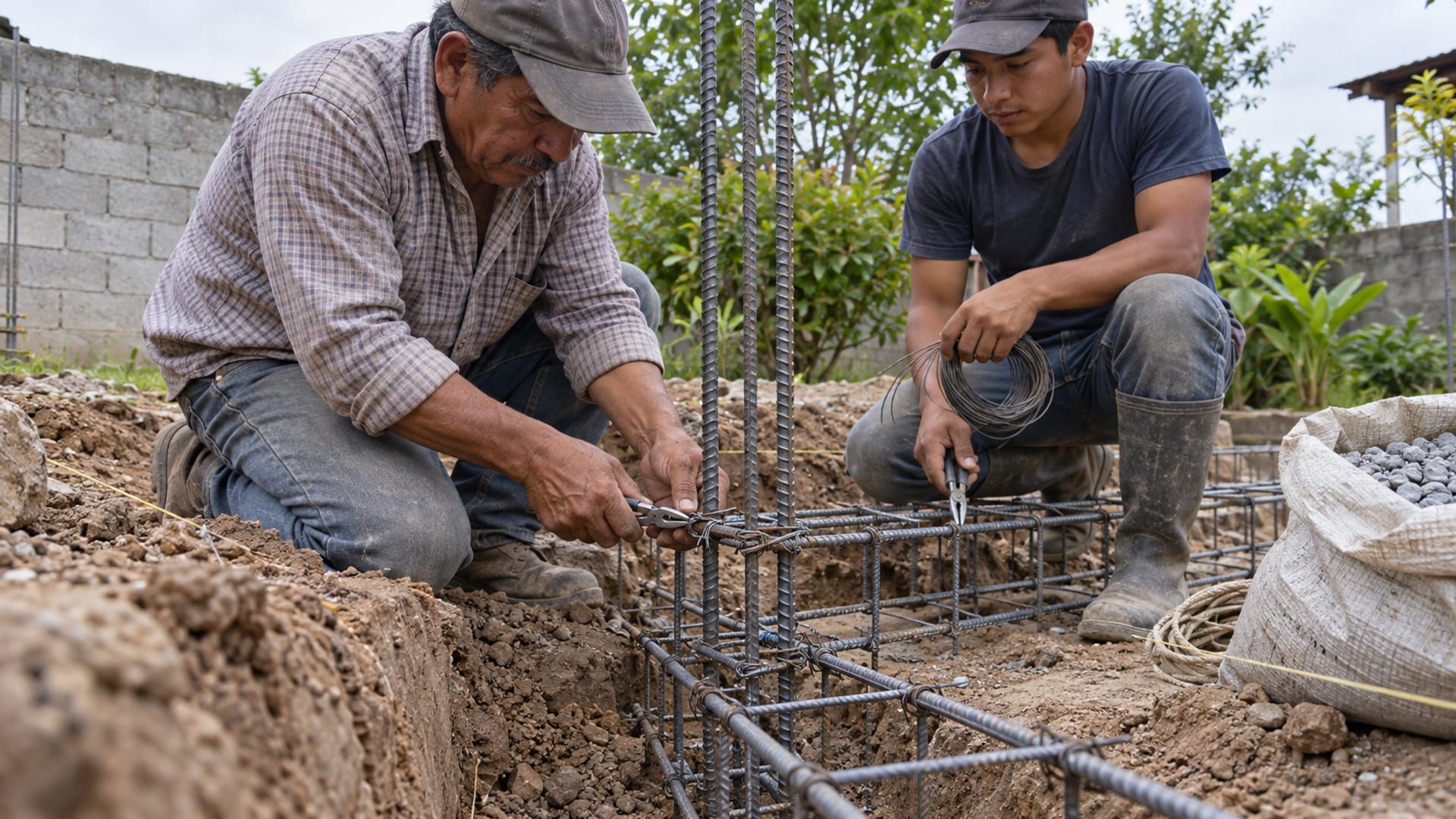
How much does it cost to build a 4x4 room in Guatemala
How much does it cost to build a 4x4 room in Guatemala: compare slab and sheet metal roofs, labor, materials, doors, windows and debris removal in each quote.
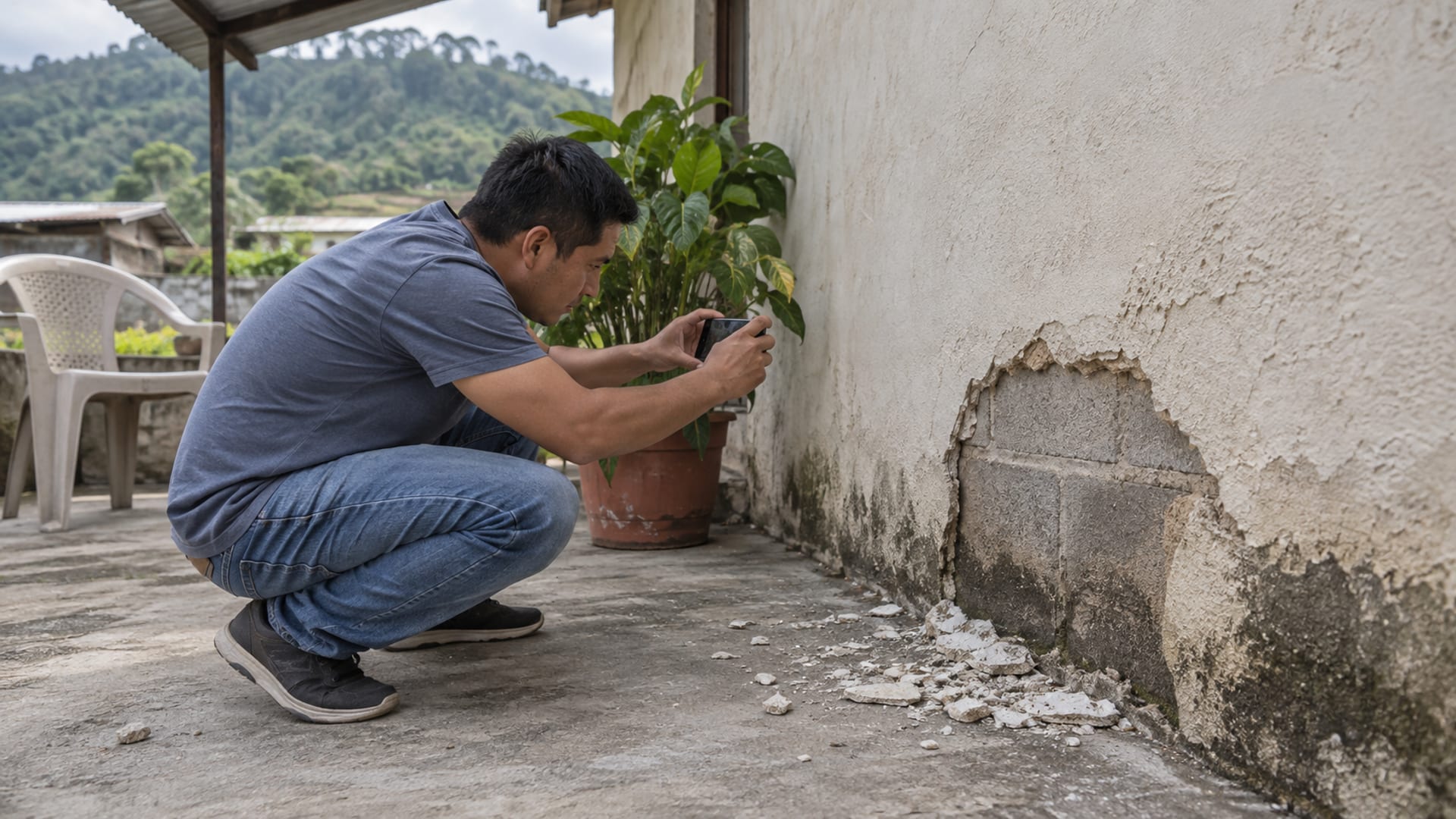
How to Request a Masonry Quote in Guatemala
A masonry quote in Guatemala should spell out materials, labor, rubble removal, dates, payment stages, and warranty. Review every line before you decide.
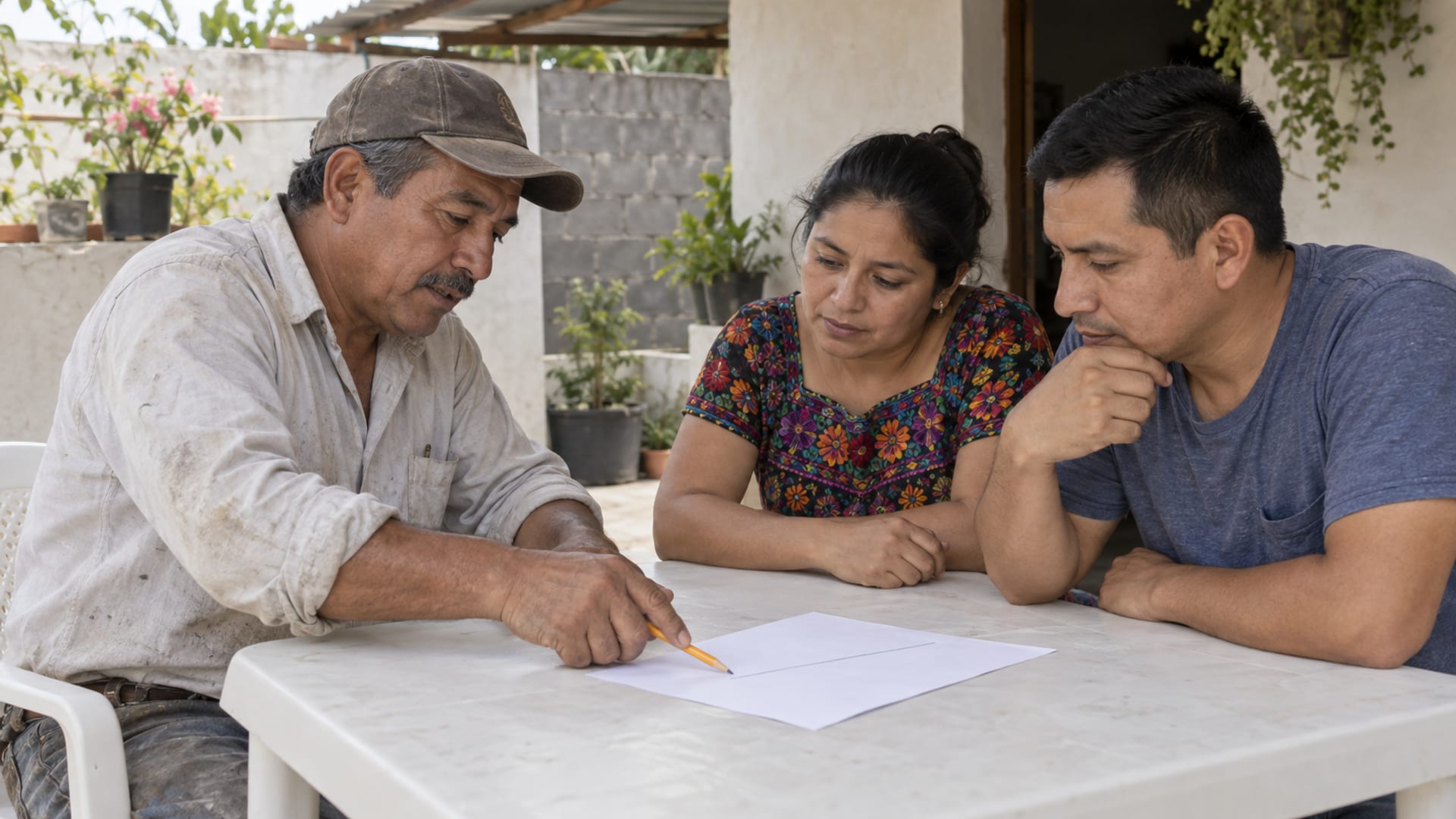
What a Written Scope of Work for a Masonry Job Should Include
Before you hire, write down what the job includes, who buys and removes materials, the start and end dates, payments, final cleanup, and the warranty period.