How much does it cost to build a 4x4 room in Guatemala
You need one more room: a bedroom, a space to rent, a workshop or a place for a child who no longer fits in the house. You already have the land or the house and want a figure to start saving, or to know how much to send from another country. A 4x4 meter room is 16 m² and a 5x5 room is 25 m², but the meters alone do not give a price. The total changes depending on whether the roof is a concrete slab or sheet metal, and on whether the mason includes the door, windows, floor, electrical work, finishes, freight and rubble removal. Below you will see figures published in 2026, material prices and a list of what each quote should state.
Key takeaways
How much does it cost to build a 4x4 or 5x5 room in Guatemala?
There is no published rate specifically for a room of that size. What does exist are estimates per square meter of residential construction. According to House Guatemala, in a note dated June 6, 2026, the ranges are Q2,800 to Q3,800 per m² at a basic level, Q3,800 to Q5,500 at a medium level, Q5,500 to Q7,500 at a medium-high level and Q7,500 to Q12,000 or more at a high level. That guide states that they include materials and labor for rough construction plus finishes, and that they exclude land, design, permits and site development.
Living in Guatemala published in 2026 ranges of Q2,500 to Q3,500 per m² at a basic level, Q3,500 to Q5,500 at standard, Q5,500 to Q8,000 at premium and Q8,000 to Q15,000 at luxury, and presents them as editorial references, not an official list.
To get a sense of scale, here is an arithmetic calculation using the House Guatemala ranges. It is not a quote, because those ranges were calculated for general residential construction and not for a small addition.
A small addition can come out differently from these calculations, for example because it has to connect to the house, move an installation or break through an existing wall. Freight, debris removal and municipal costs may also fall outside them. That is why the written quote from each mason is what counts.
What parts does a room have, and what does each price include?
A block and slab room, or block and sheet metal, breaks down into parts that each person may include or leave out. Ask that the quote name each one:
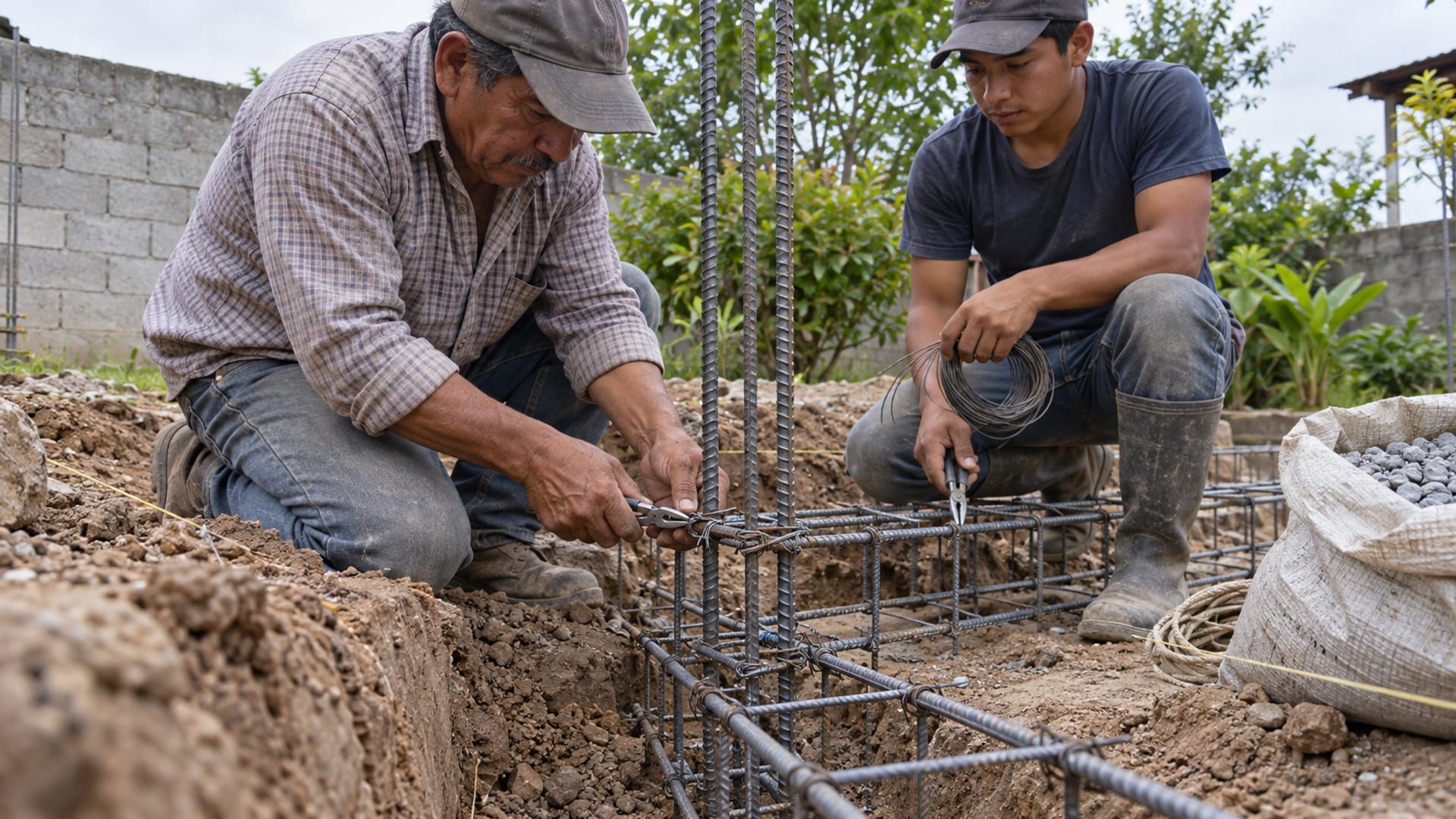
- Foundation: the base that transfers loads to the ground.
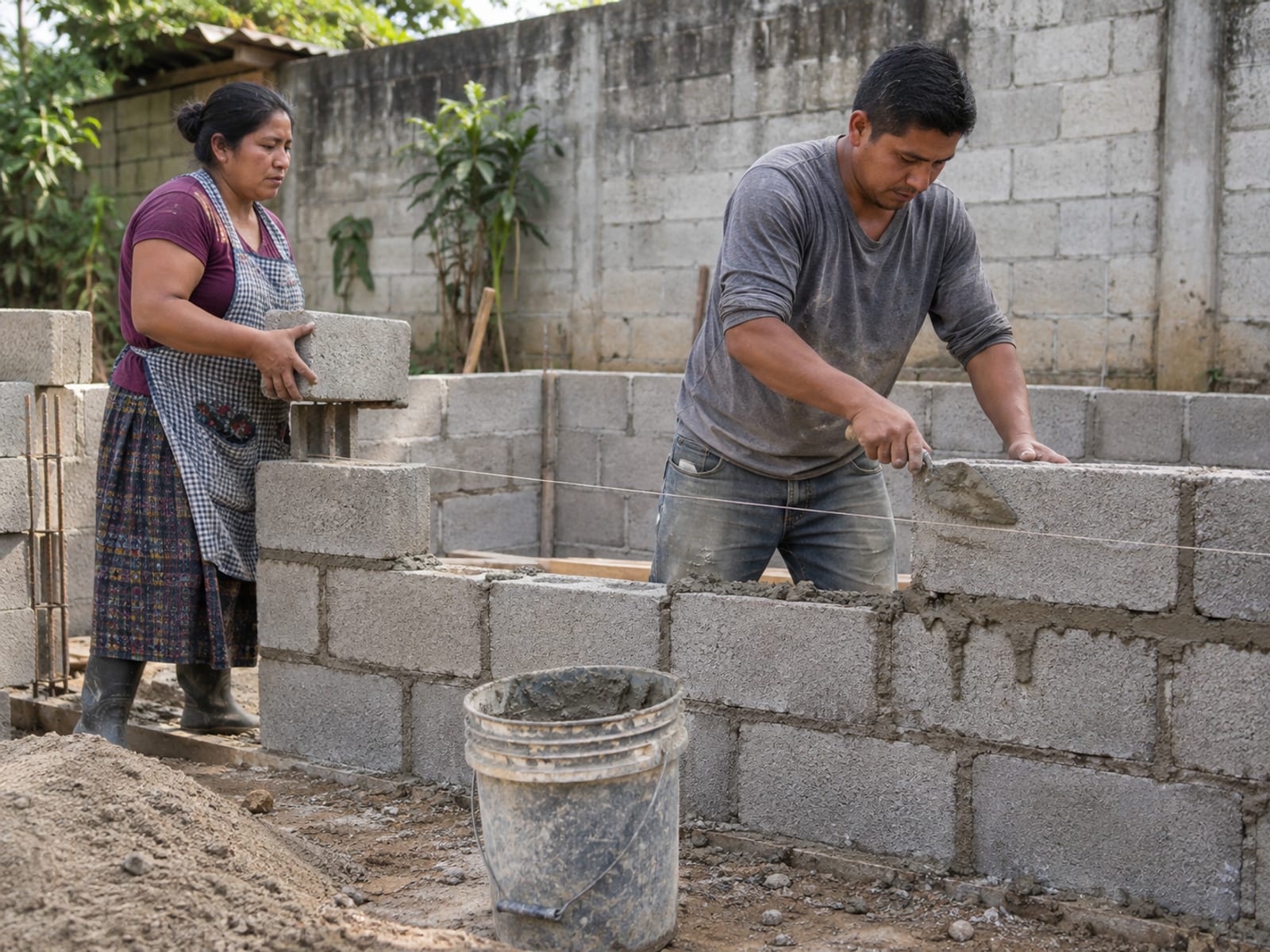
- Walls: exterior walls or partitions; the AGIES building standard distinguishes load-bearing walls from partition walls (muros tabique).
- Roof: concrete slab or sheet-metal roof with its supporting structure.
- Floor: subfloor, concrete finish, ceramic tile or another covering.
- Door and windows: leaf, frame, glass, hardware and installation.
- Electrical installation: conduit, wires, boxes, outlets, switches and light fixtures.
- Finishes: plaster (repello), smooth finish (cernido), paint and baseboard (zócalo).
- Complementary works: freight, debris removal, connections and cleaning.
Saying "block and slab" only names part of the system. Two masons may use the same name for very different work, so ask both to answer the same list.
How much do block, cement, doors and windows cost?
Materials can be looked at separately. These are prices shown on each supplier's pages in October 2026; they are prices requested on that date, not averages or recommendations, and they change with the variant, freight, taxes and availability.
The sources are the catalogs of Procreto, of EPA on ceramic floor tile and on its pine door, of Cemaco on ceramic floor tile and on its steel door, and the Living in Guatemala guide on construction costs. None of those pages shows the cost of installing the elements; labor is quoted separately.
A door can be quoted as just the leaf or include frame, lock and installation, and a window varies by frame and glass. Ask what the price includes before you compare.
Is a slab more expensive than sheet metal?
Price guides describe basic construction with block walls and a sheet-metal roof, and the standard level with a concrete slab and ceramic floors. They do not publish a difference that applies to any room, so no percentage can be given. What you can do is ask for two quotes with the same scope and change one variable, the roof system, to see how much it weighs in your case.
Other conditions also apply. Land with soil problems may require deeper foundations, and the logistics of delivering materials can add charges. Sloping land changes the work and the access; the AGIES NSE 4-2024 standard states that on slopes steeper than 30% a geotechnical engineer should be consulted for a particular solution.
That same standard, "Small house design" (Diseño de pequeña vivienda), sets minimum guidelines for homes of between 50 and 200 m² and of one or two levels. An isolated room falls below that range, but the standard is useful for understanding the elements that are evaluated: foundations, load-bearing walls, beams, lintels and slabs. It does not turn its tables into an automatic design for an addition.
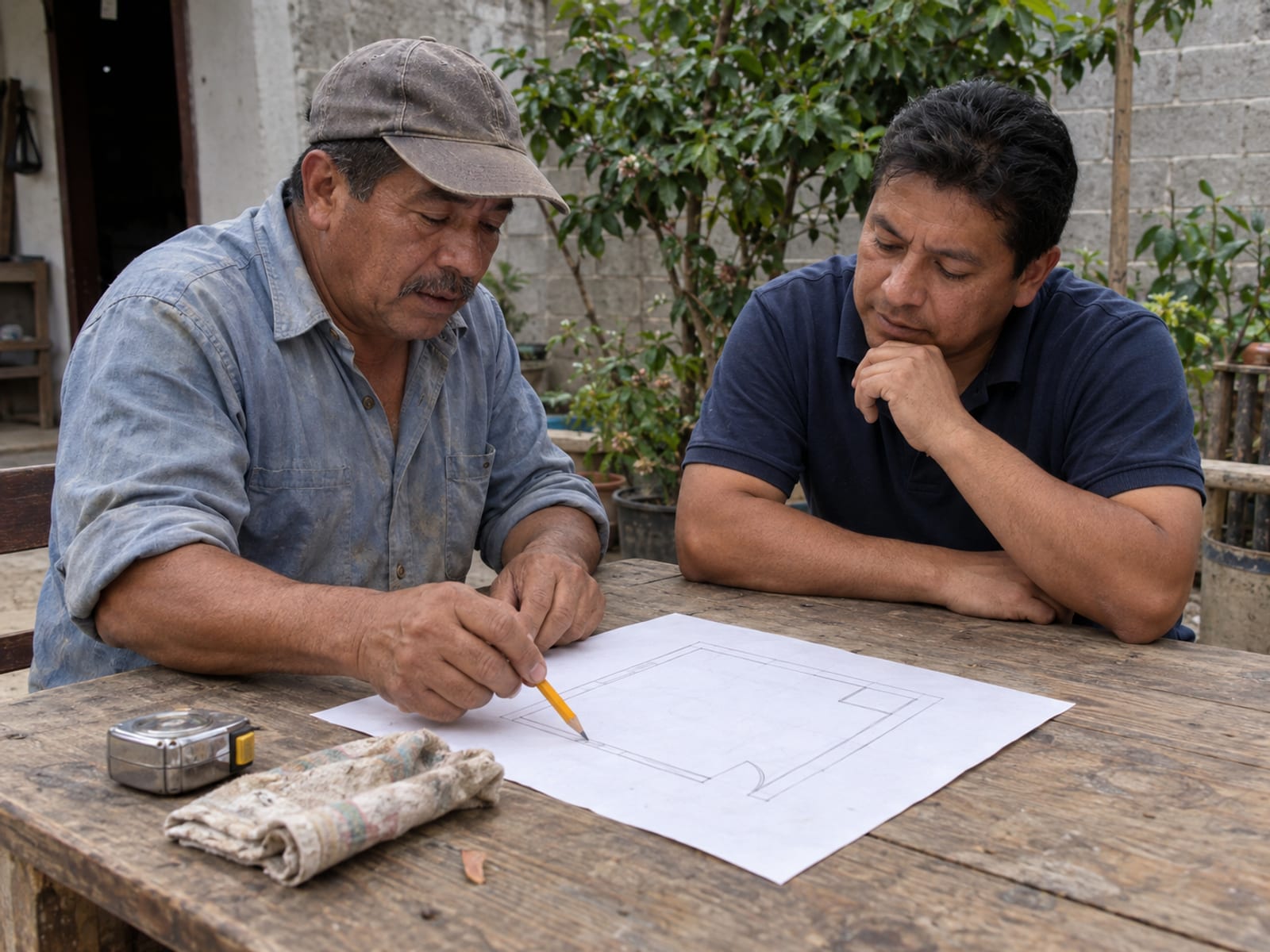
Do I need a permit to build a room?
The municipality where the property is located decides, and each one has its own rules. Two examples, to understand how it works, not to apply to another municipality.
In Guatemala City, the Territorial Planning Plan (Plan de Ordenamiento Territorial) defines the construction permit as the authorization to lay foundations, build, extend or modify in a way that changes the functional, environmental, structural or safety characteristics. It states that an extension of up to 30 m² requires a minor works permit, and that light modifications, such as repairs, plaster, paint, sheet replacement and opening doors, do not require one when they do not increase the usable or rentable area. It also mentions that a land-use permit may be needed. The One-Stop Window (Ventanilla Única) explains how to obtain the forms and submit the file.
In Mixco, the Construction and Urban Planning Regulations states that a construction permit must be obtained before extending, modifying, repairing or demolishing. For certain types of work it requires a form signed by the owner and an active licensed professional, a certificate from the General Property Registry and an identity document. The municipal permit issuance procedure is based on that regulation.
If your room will rest on an existing building, or will affect a slab or foundation, get the design of a competent architect or engineer before you start. Confirm the permit before buying materials, not after.
What should the room quote state?
To compare two budgets for the same room, ask for them in writing and with the same items. A practical list:
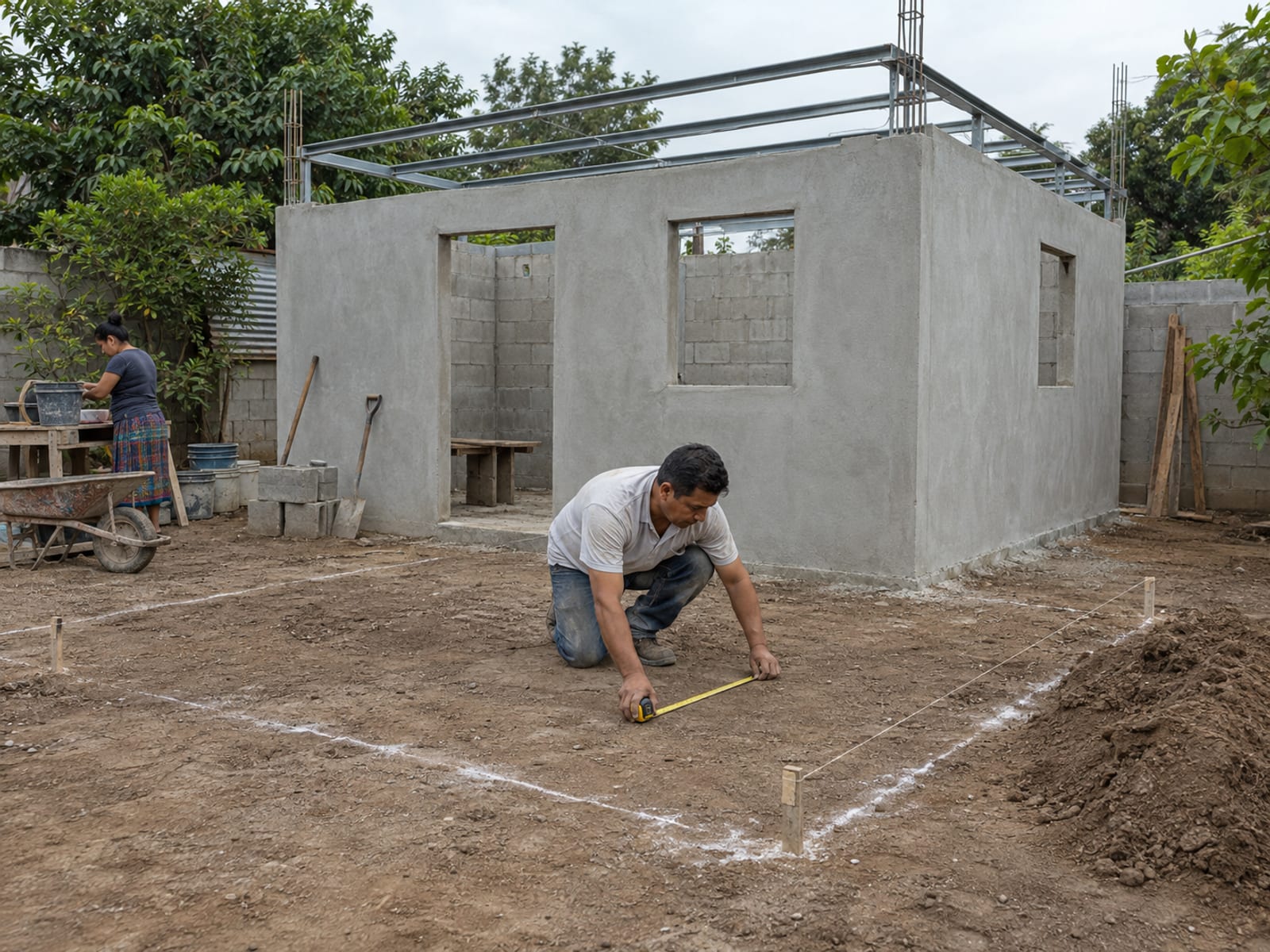
- Measurements and area, with a sketch of doors, windows and connections.
- Roof: concrete slab or sheet metal.
- Foundation and walls included.
- Door: type, size, frame, lock and installation.
- Windows: quantity, sizes, frame, glass and installation.
- Floor, electrical work and finishes: material, conduit, wiring, plaster and paint.
- Who buys the materials, and whether the price includes freight, loading, unloading and waste.
- Debris removal and cleaning.
- Dates and payments: start, duration and stages tied to progress.
- Changes, taxes, invoice and validity of the quote.
This list is a planning tool so that two quotes describe the same scope. It is not an official contract and does not replace the municipality's requirements. Keep the quote with its validity date, because material prices change month to month. The Construction Cost Index from the INE, Guatemala's official statistics office, measures those price changes between periods, although it does not give the total cost of a 16 or 25 m² room. You can find the latest one here.
Frequently asked questions about building a 4x4 room in Guatemala
How much does it cost to build a 4x4 meter room?
It measures 16 m². The 2026 published ranges for general residential construction start at Q2,500 to Q3,800 per m² at basic levels and rise with finishes. They are not a quote for an addition and can exclude land, design, permits, transport or site conditions.
How much does it cost to build a 5x5 meter room?
It measures 25 m². As a simple illustration, the House Guatemala basic range of Q2,800 to Q3,800 per m² gives Q70,000 to Q95,000. Do not take it as a final price.
What should a block and slab room include?
Ask whether the quote includes foundation, walls, slab, floor, door, windows, electrical work and finishes. "Block and slab" only names part of the building system.
Does a 25 m² addition need a permit in Guatemala City?
The Territorial Planning Plan states that an extension of up to 30 m² requires a minor works permit. Confirm the file at the One-Stop Window, because the municipality reviews the specific type of work.
Is sheet metal cheaper than a slab?
The guides associate sheet metal with basic construction and the slab with standard or higher levels, but they do not publish a universal difference. Ask for two quotes that change only the roof system.
What should the mason write in the quote?
Measurements, roof, walls, floor, door, windows, electrical work, finishes, materials, labor, transport, debris removal, schedule, payments and exclusions.
What to bring to each quote
Before you ask for a price, have on hand the area of your room, a sketch with measurements, the location of the door and windows, and a provisional decision between slab and sheet metal. Ask two masons for a written quote that separates labor, materials, transport and the items not included, and compare them by content before the total. And confirm with your municipality whether you need a permit before you buy the first bag of cement.
With that, the published figures stop being loose numbers and become references for evaluating what is offered to you. If the work touches an existing building, a slab or a foundation, the structural design by a professional is part of the budget, not a luxury.
At Albañiles Guate we help people in Guatemala find and contact masons, builders and related construction trades by service and by location. You can look at the mason directory to find who to ask for proposals, or write to us from the contact page if you want help organizing the addition.
Related guides
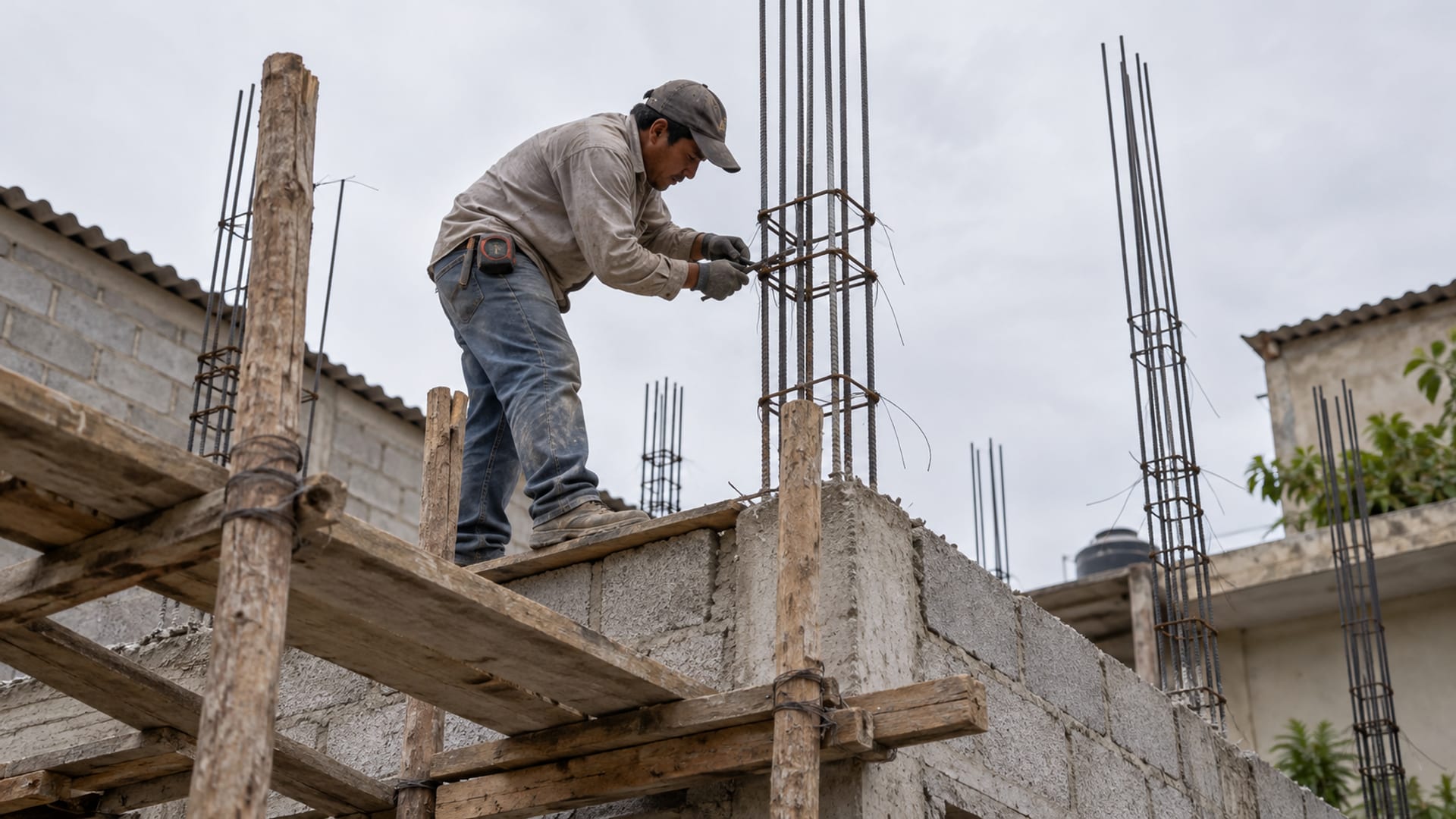
How much does it cost to build a second storey in Guatemala
How much does it cost to build a second storey in Guatemala? Structure, municipal permit, stairs, slab or sheet roof, and quotes with the same written scope.
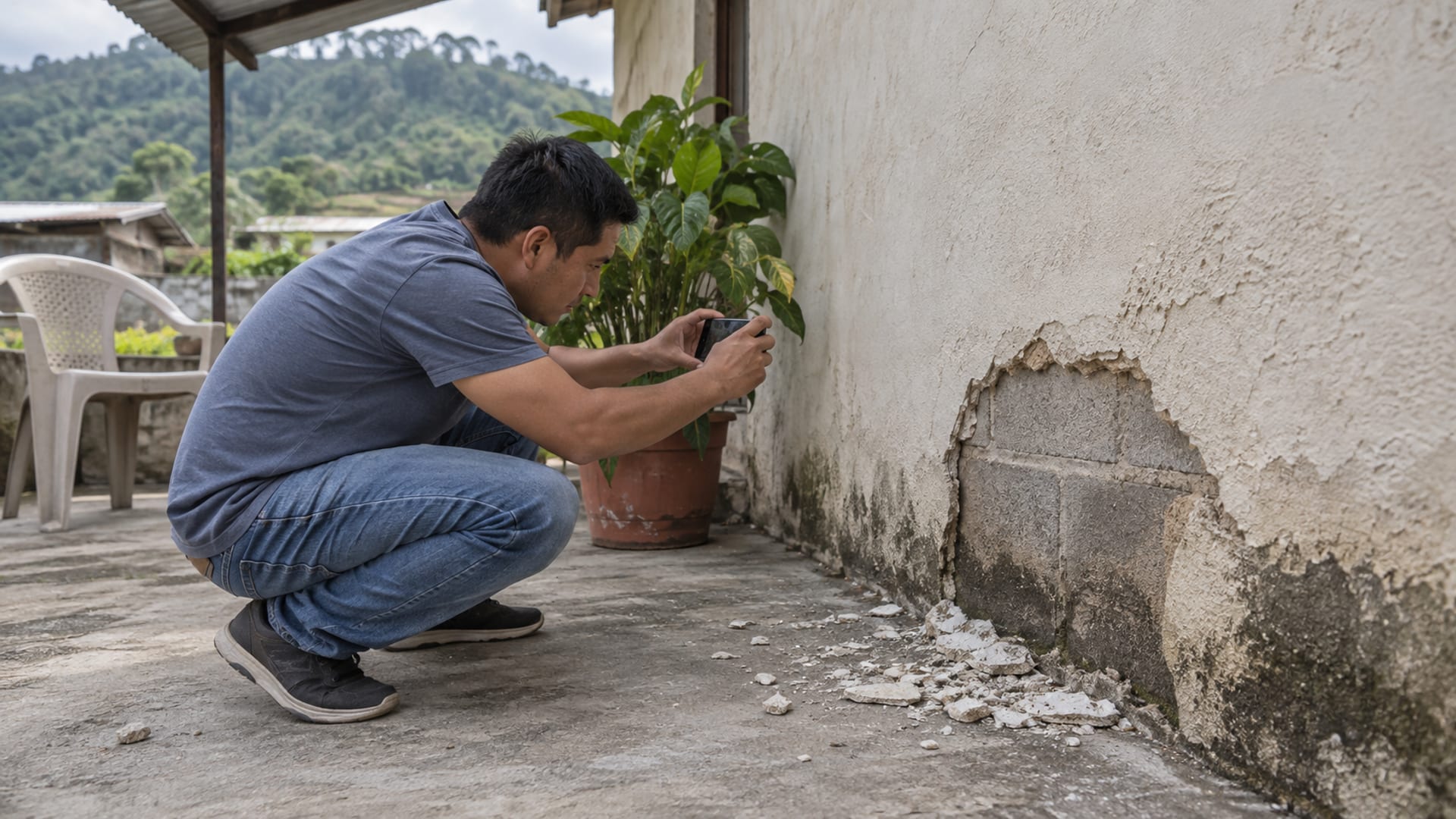
How to Request a Masonry Quote in Guatemala
A masonry quote in Guatemala should spell out materials, labor, rubble removal, dates, payment stages, and warranty. Review every line before you decide.
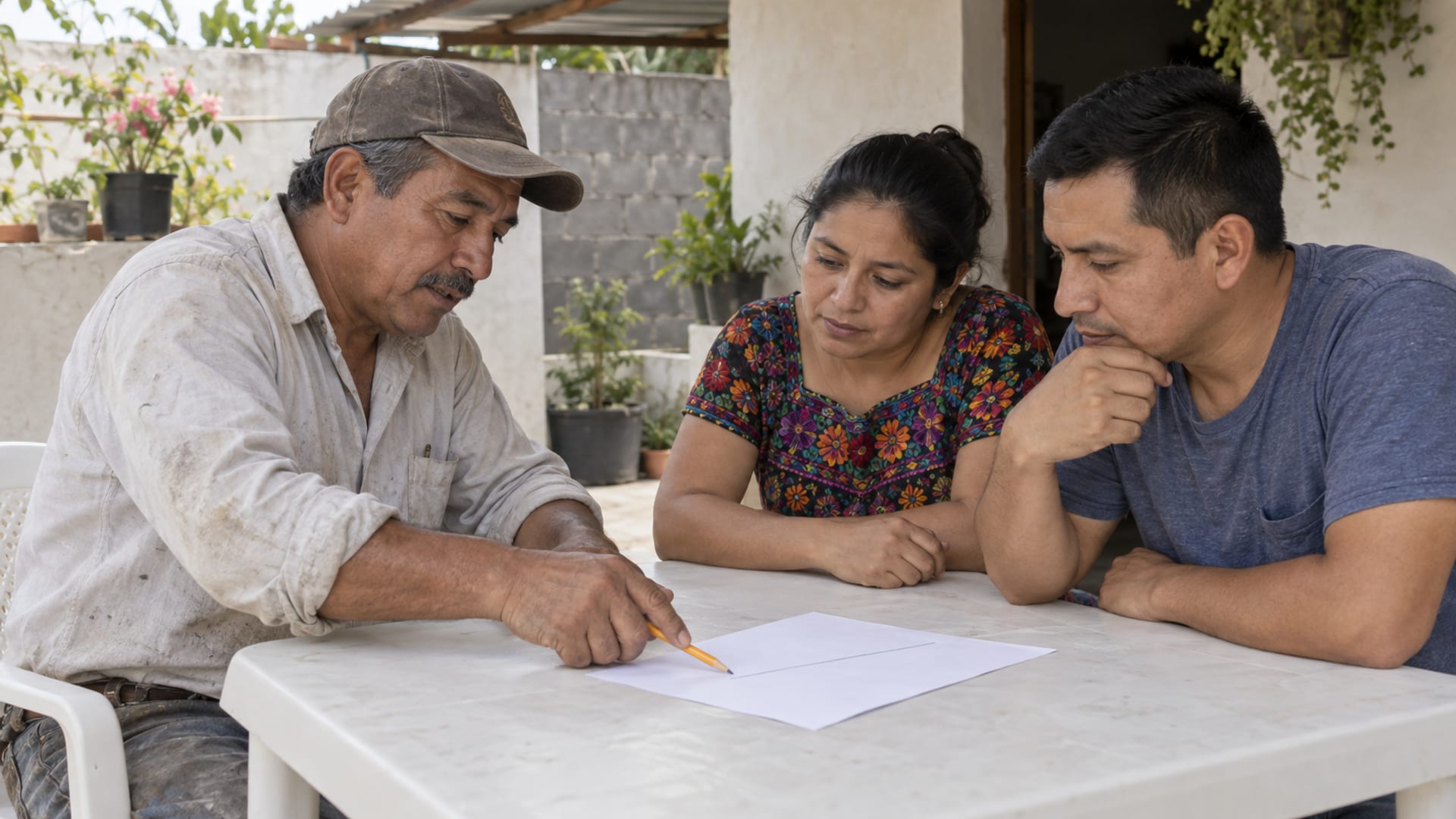
What a Written Scope of Work for a Masonry Job Should Include
Before you hire, write down what the job includes, who buys and removes materials, the start and end dates, payments, final cleanup, and the warranty period.